


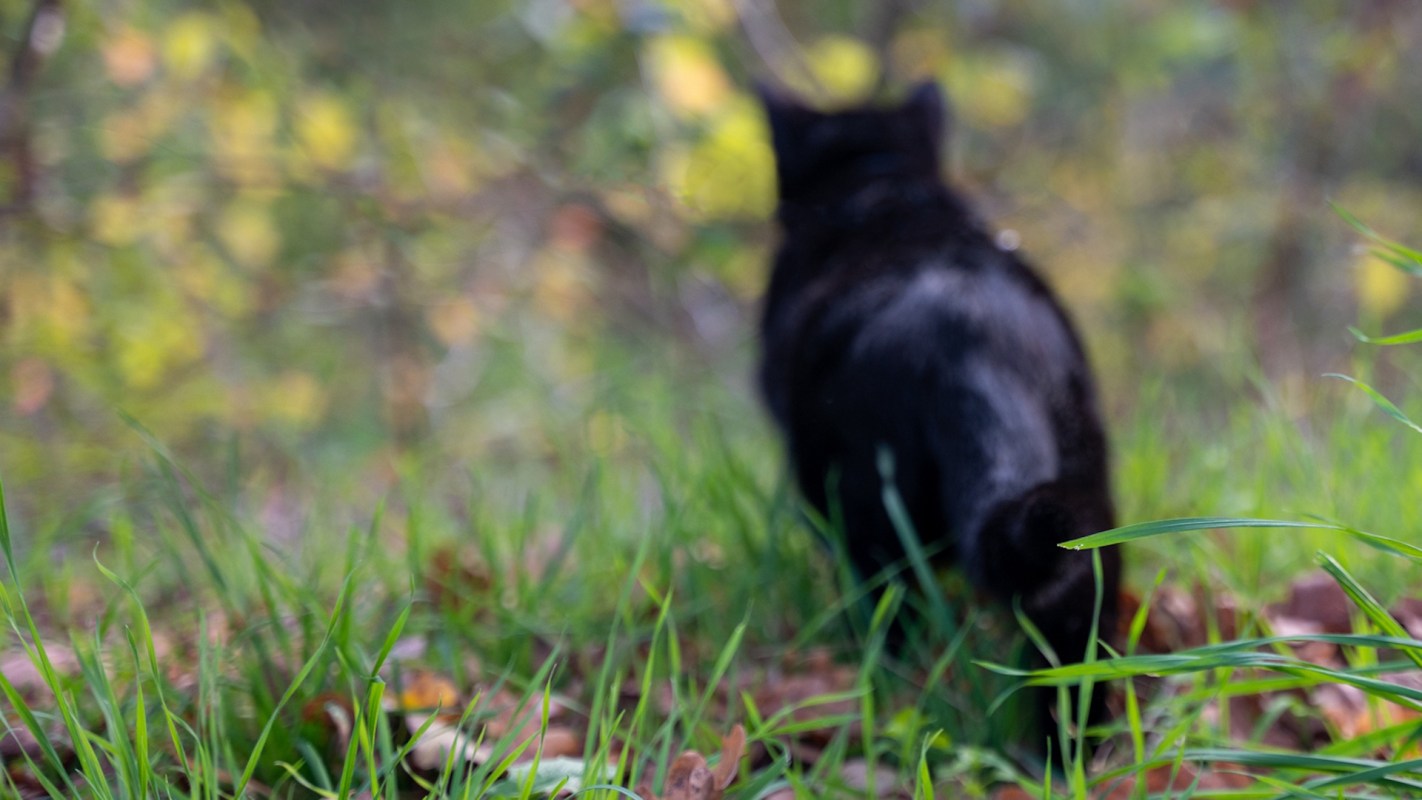
A rare sighting in Colombia's high Andes is giving conservationists an important new clue in the effort to protect one of South America's most elusive wild cats.
According to Earth.com, camera traps set up in March at El Danubio, a conservation property outside Cali more than 6,560 feet above sea level, captured images of a tigrillo with a nearly all-black coat.
The animal, also known as a northern tiger cat or oncilla, is already notoriously difficult to spot because it is small, nocturnal, and highly elusive. A dark-coated individual is even rarer, making the discovery especially significant for researchers tracking the vulnerable species.
Rare black wild cat spotted in Andes mountains, offering conservation insight https://t.co/hrQfvLzCII #EarthDotCom #EarthSnap #Earth pic.twitter.com/PuGzQuVyiE
— Earth.com (@EarthDotCom) May 13, 2026
The images came from a long-running camera-trap program operated by Cali's environmental agency, the Departamento Administrativo de Gestión del Medio Ambiente.
Among 44,277 photos collected over 6,216 field days, this was the first documented melanistic, or unusually dark, tigrillo recorded at El Danubio.
Black-coated tigrillos had previously been documented only in the nearby Farallones de Cali National Park, not outside its boundaries. Researchers said the new sighting could help shape future conservation planning, including how habitat corridors are protected across the region.
TCD Picks » Quince Spotlight
💡These best-sellers from Quince deliver affordable, sustainable luxury for all




The implications extend beyond wildlife alone. Protecting mountain forests can also help preserve water supplies, strengthen climate resilience, and support healthier landscapes for communities near rapidly expanding urban areas.
"This condition comes from a particular genetic variation that overproduces the melanin pigment in skin and fur," biologist Catalina Silva explained, per Earth.com.
Although the tigrillo's spots are still present, the darker coat can make them difficult to see, causing the animal to appear almost like a different species at first glance.
Scientists understand the genetics behind melanism, but researchers are still studying why the trait persists in some populations.
Possible explanations include improved camouflage in dark cloud forests, better heat retention at colder elevations, or changes in communication and signaling in low-visibility habitats.
Each confirmed sighting carries added weight because the Northern tiger cat is listed as Vulnerable by the International Union for Conservation of Nature. The species faces mounting pressure from habitat loss, hunting, and the illegal wildlife trade.
In Colombia, tigrillos are found mostly above 4,900 feet, where roads, mining, and agricultural expansion continue fragmenting their habitat.
Researchers believe much of the species' remaining habitat in Colombia exists in isolated patches, many of them outside protected areas. That makes even a single camera-trap image valuable because it provides evidence that can guide future protections and help identify which forest connections are more important to preserve.
"This record reaffirms our commitment to protecting and conserving our biodiversity and ecosystems," Lina Marcela Botia Muñoz, director of DAGMA, said, per Earth.com.

Get TCD's free newsletters for easy tips, smart advice, and a chance to earn $5,000 toward home upgrades. To see more stories like this one, change your Google preferences here.







