


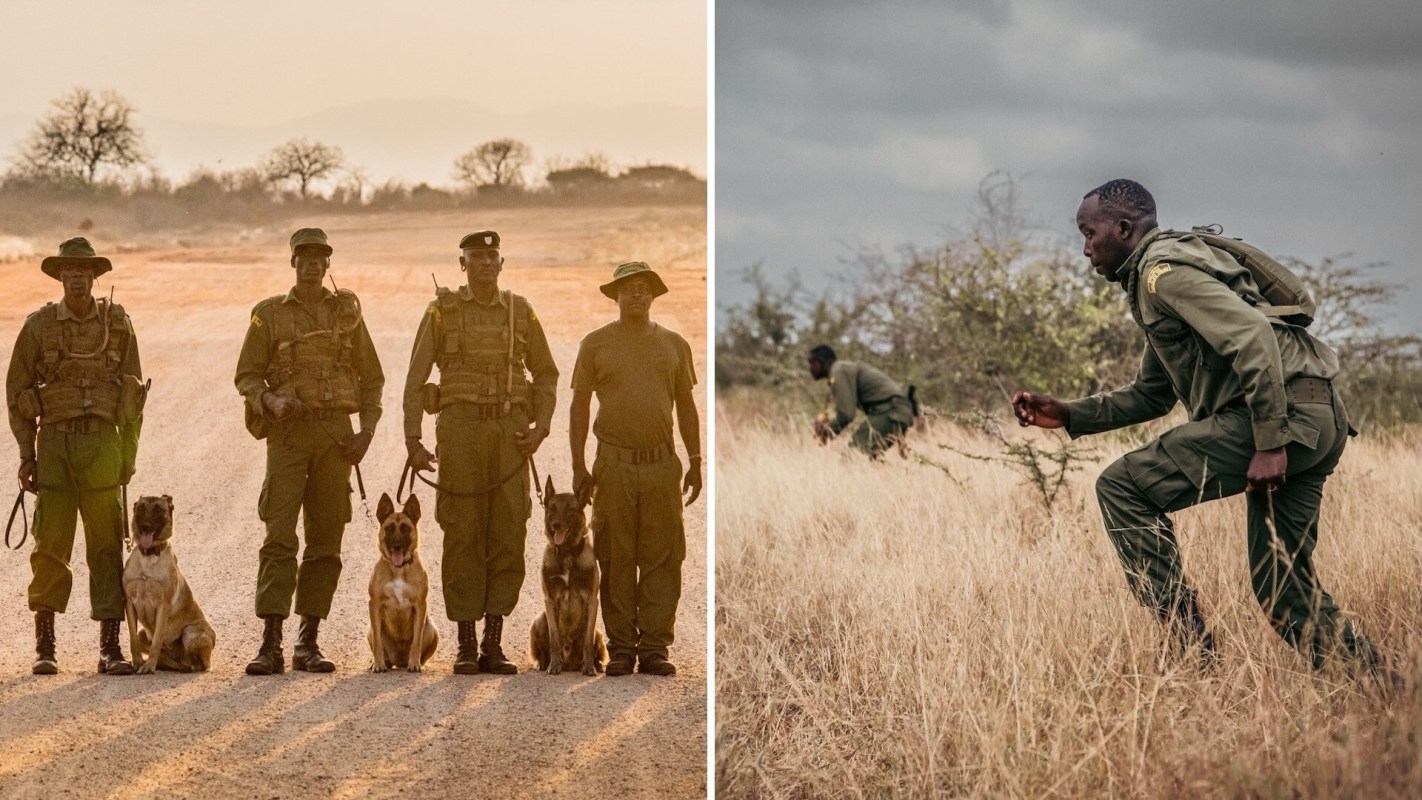
Conservation work is often centered on wildlife, but the people doing the work on the ground can be easy to overlook.
In Kenya, the Sheldrick Wildlife Trust (@sheldricktrust) is bringing that human side back into focus with an Instagram post marking World Ranger Day that shows how its frontline conservation work has grown over time.
What's happening?
In a World Ranger Day Instagram post on July 31, the Trust looked back at how its conservation presence in Kenya has changed over 27 years.
The work began with a single Tsavo-based anti-poaching team in 1999 and has since developed into a broader conservation network across the country in partnership with the Kenya Wildlife Service.
The post paired that history with a snapshot of the current operation, saying the organization now has 28 SWT/KWS Anti-Poaching Teams, along with two Drone Units and a specialist Canine Unit. It described rangers as "the brave people working on the frontlines of conservation."
The squad's growth reflects sustained investment in on-the-ground protection, rather than a symbolic message tied to a single awareness day. With a bigger team, the rangers can cover an astonishing amount of territory.
TCD Picks » Quince Spotlight
💡These best-sellers from Quince deliver affordable, sustainable luxury for all




"In 2025, our teams travelled 482,452 kilometers (nearly 300,000 miles) across Kenya's wilderness areas by vehicle and on foot — the equivalent of circumnavigating the globe more than 12 times in a single year," the Trust wrote.
The 28 teams also combine traditional patrols with newer tools such as drones and trained detection dogs, so no stone is unturned in protecting and rescuing vulnerable wildlife.
Why does it matter?
Rangers are often seen as the first line of defense for wildlife, but their responsibilities extend far beyond stopping poaching. They help protect habitats, monitor threats, and support the health of ecosystems that people rely on.
When landscapes are protected, nearby communities can benefit from more stable natural resources, safer biodiversity corridors, and local economies tied to conservation and tourism. Ranger work is about more than safeguarding individual animals. It also supports resilience for people living alongside wildlife.
The Sheldrick Wildlife Trust's post also shows how this kind of progress depends on partnership. Its teams work closely with the Kenya Wildlife Service, and lasting conservation gains often rely on public institutions and nonprofit organizations building capacity together.
What's being done?
The scale of the effort reflects that progress. The addition of drone and canine units points to increasingly specialized operations, while the jump from one anti-poaching team in 1999 to 28 suggests a much wider field presence than was possible then.
That layered approach can help rangers cover larger areas, respond more quickly, and detect threats that might otherwise go unnoticed. It also shows that conservation jobs are evolving, requiring training, coordination, and sustained institutional support.
Ranger work can be dangerous, demanding, and largely unseen. It also includes pitching in to help other teams and specialists in tight spots.
"They are often called upon to provide additional field support, tackling everything from veterinary treatments to field emergencies, orphan rescues, and firefighting efforts," the Trust added. "They approach these missions with the same dedication that they apply to tracking down poachers."

Get TCD's free newsletters for easy tips, smart advice, and a chance to earn $5,000 toward home upgrades. To see more stories like this one, change your Google preferences here.







