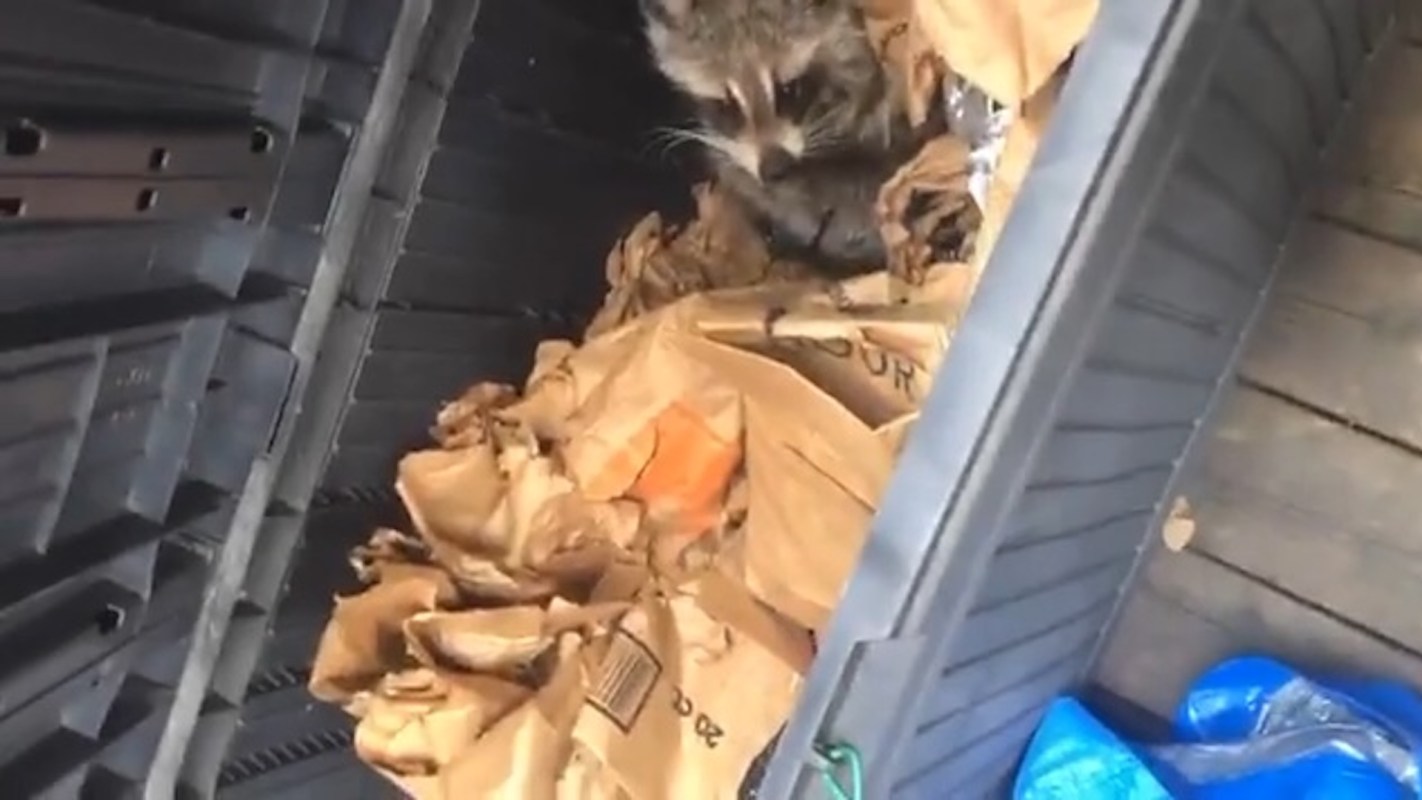
A homeowner who feared a raccoon might be trapped inside a backyard box discovered that the animal had turned the container into a temporary den and was leaving on its own each night.
The encounter highlights how people and wildlife share the same spaces, with an unused storage box suddenly transforming into shelter for a wild animal. (If you don't see the video, click here.)
Here's what to know
Posting to Reddit, the homeowner sought advice after noticing a raccoon had taken up space inside a storage box in their backyard.
"We are wondering if she might be trapped in the box and unable to open it," the original poster wrote. "Should I leave the box open so she can get out?"
The homeowner explained that they were concerned the animal could be injured, sick, or rabid.
In updates, they said they had offered the raccoon fruit and set up a camera to see what was happening.
TCD Picks » Quince Spotlight
💡These best-sellers from Quince deliver affordable, sustainable luxury for all




"With a hidden camera we discovered that she is not trapped — she goes out for five hours at night to find things to eat," the OP wrote.
In response, commenters commended the homeowner for welcoming their furry neighbor.
"Love it!" one said. "She found herself a really nice, secure little den."
Others urged caution.
"OP should absolutely not habituate the raccoon to humans," one person wrote. "That will make it harder to tell if it does have rabies in the future even if it doesn't now."
Another Redditor pushed back on what they viewed as unsafe advice being provided by other commenters.
"Horrible take on the situation to suggest a wild raccoon is unlikely to bite," they warned. "OP, please don't believe this for a second."
More background
Raccoons are highly adaptable and often use human-made spaces for shelter. Storage bins, decks, crawl spaces, and sheds all can become part of an animal's habitat, offering protection from predators and the elements.
These shared spaces can raise questions for homeowners trying to help without putting themselves, their pets, or wild animals at risk.
Experts advise giving wild animals plenty of space and avoiding actions that could be perceived as threatening.
Wild animals in residential spaces may seem calm one moment and turn aggressive the next, especially if they feel cornered. Interactions between people and wildlife can escalate quickly when animals are stressed, startled, or accustomed to human presence.
What can be done?
The safest response is to give a wild animal as much space as possible, avoid direct handling, and always remember that wild animals are not domesticated pets. Feeding wild animals can encourage repeat visits or make an animal more comfortable around people than is healthy for either side.
If an animal appears injured, disoriented, or unable to leave, contacting local animal control or a licensed wildlife rehabilitator is generally a better option than trying to intervene yourself.
It also helps to check yards for den sites and food sources. Open storage containers, accessible pet food or trash, and unsealed spaces can all attract animals and encourage stays.
As for the original poster, they said they would heed the advice by exercising caution and not intervening.
"Good to know that she isn't stuck or injured and we don't need to do anything much," they wrote.
Where can I learn more?
When raccoons or other wild animals linger near homes, it can be hard to tell what's harmless and what's a problem. The stories below show backyard sightings can become complicated when curiosity, close contact, or nighttime activity is involved.
• In North Miami, three more rush under fence after a woman checks on a raccoon.
• At one home, porch visitors try to walk straight inside during a first raccoon encounter.
• In New Jersey, a woman and coyote collide in a harrowing backyard encounter.
• In Greece, wild predators lurking outside a front door show how close wildlife gets.
• In Chicago, unexpected encounter with wild animal leaves a resident worried about neighborhood safety.

Get TCD's free newsletters for easy tips, smart advice, and a chance to earn $5,000 toward home upgrades. To see more stories like this one, change your Google preferences here.