


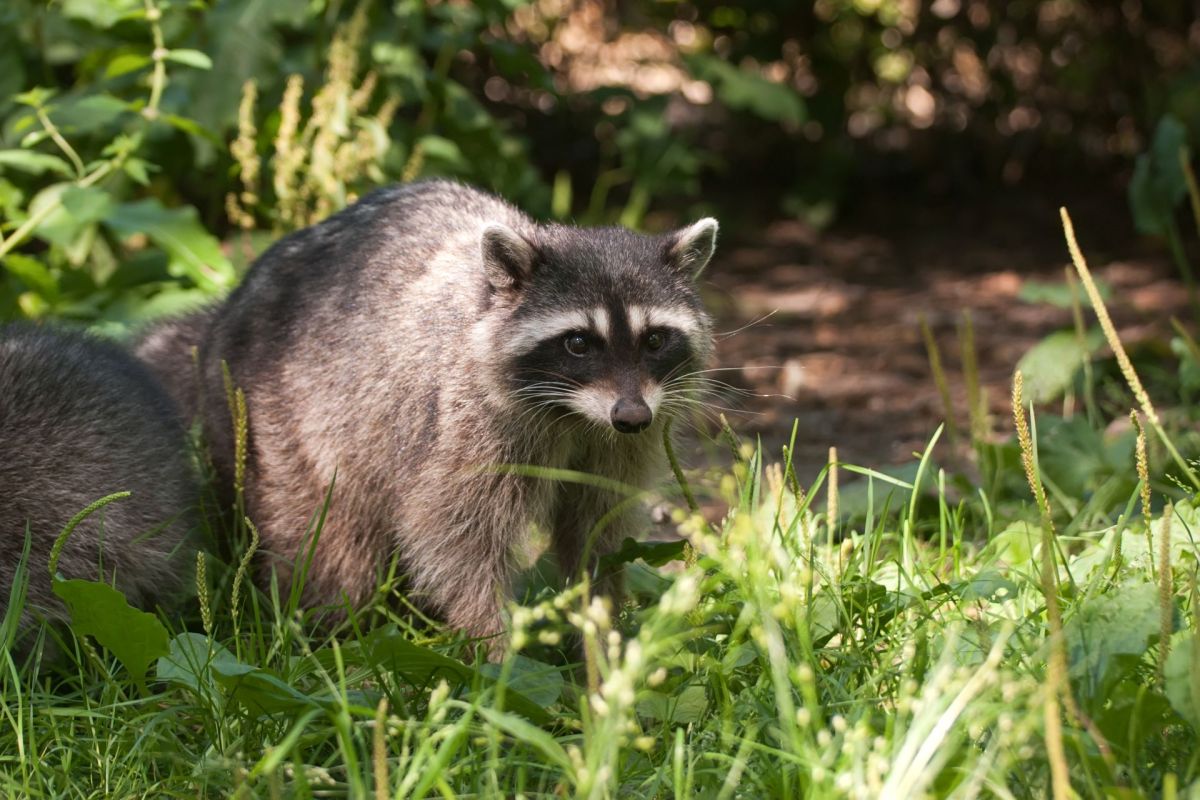
A raccoon attack outside one man's home in Glassboro, New Jersey, has led him to warn neighbors to be careful around wildlife after he said the animal bit him and then aggressively pursued others nearby.
In communities where homes, trash, pets, and wooded habitat overlap, encounters like this can become more likely, and potentially more dangerous.
What happened?
According to ABC7 Chicago, South Jersey resident Kevin Tucker said he was walking to his trailer in the Elsmere section of Glassboro when he heard a distressed sound coming from the woods.
"There was an unusual screaming, screeching sound coming from the woods about 50 feet from me," Tucker recalled to the outlet. "I could see these bright yellow eyes."
But as Tucker got closer to his home, the raccoon rushed toward him.
"I was walking to leave when a raccoon came out of the shrubbery and charged me," Tucker told ABC7. "I kind of fell backward, and I think that's when it bit the front part of my right leg."
TCD Picks » Quince Spotlight
💡These best-sellers from Quince deliver affordable, sustainable luxury for all




Tucker said the animal also chased other neighbors before it was eventually captured. Authorities had not released test results or officially confirmed whether it had rabies.
After the bite, Tucker went to the hospital for evaluation. Health officials recommend getting checked after any bite or scratch from a wild animal so doctors can decide whether preventive rabies treatment is needed.
"He said the eyes were glassy and saliva was coming out of its mouth," Tucker explained to ABC7, describing what another resident told him.
Why does it matter?
Any wild animal bite is serious, but a possible rabies exposure raises the stakes because the virus is almost always deadly if left untreated.
Human activity can and does shape wildlife behavior. As people build and live closer to wooded areas, animals such as raccoons are more likely to move through neighborhoods in search of food, water, or shelter. Easy access to pet food, unsecured garbage, and dense landscaping increases contact between people and wild animals.
As BBC Future has reported in an explainer on why wild animals attack humans, habitat disruption and close contact raise the odds of human-wildlife conflicts.

Get TCD's free newsletters for easy tips, smart advice, and a chance to earn $5,000 toward home upgrades. To see more stories like this one, change your Google preferences here.







