


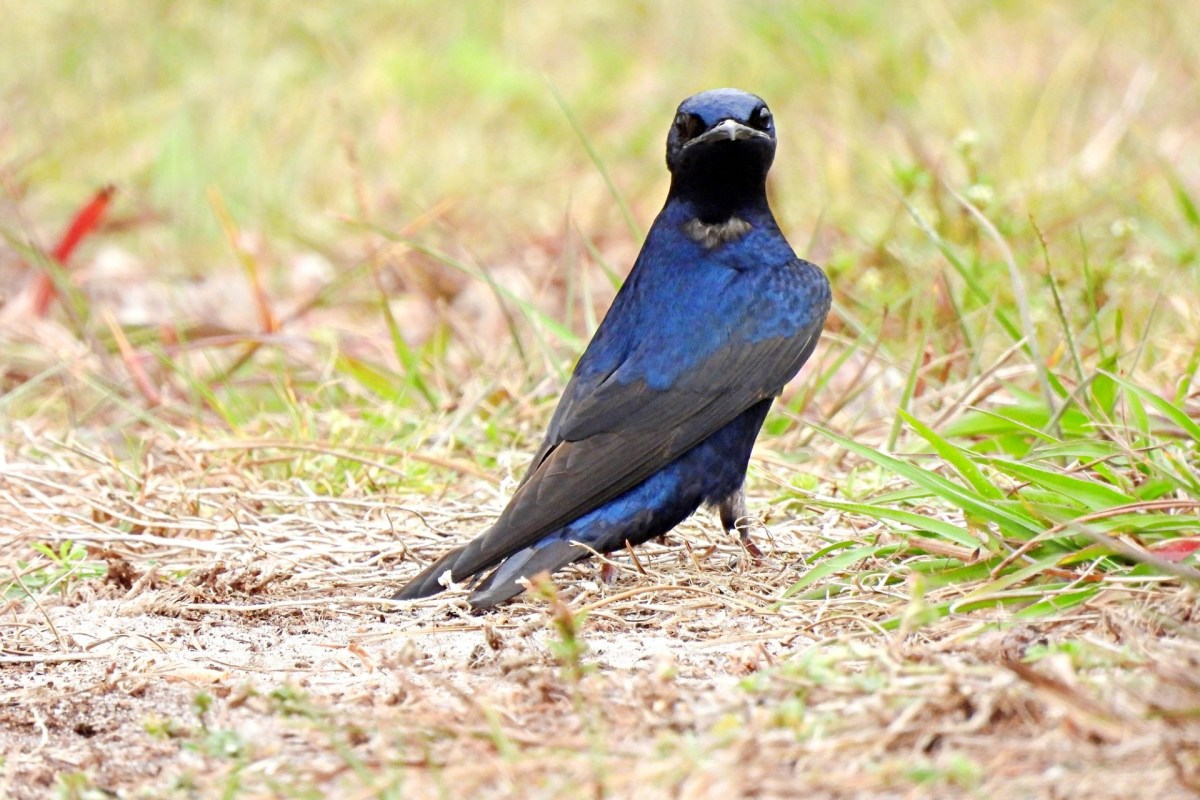
A juvenile purple martin in Florida got a second chance after it was found struggling in a Cape Coral canal in June, impaled by a tiny piece of plastic.
The bird, later named Prince by rescuers, made an incredible recovery and returned to the skies above its home colony just weeks later, the Cape Coral Breeze reported.
What happened?
A plastic fragment only a few centimeters long pierced Prince, turning a small piece of litter into a life-threatening injury.
At the Sanibel Island-based Clinic for the Rehabilitation of Wildlife, veterinarians found the plastic lodged deep in the young bird's chest, according to the Cape Coral Breeze.
After several weeks of recovery, Prince was able to fly over Cape Coral again.
That return brought the bird back to its home gourd colony.
TCD Picks » Quince Spotlight
💡These best-sellers from Quince deliver affordable, sustainable luxury for all




Purple martins are highly social birds that often nest in colonies, frequently using human-provided housing such as hanging gourds.
Why does it matter?
Prince nearly lost his life because of this injury — showing how dangerous discarded plastic can be for wildlife.
Even a tiny piece can pierce, trap, or choke an animal, especially small birds that forage near water.
These types of injuries are not limited to remote coastlines or heavily polluted beaches. This incident happened in a canal, where everyday litter can quickly become an environmental hazard in places people pass all the time.
Purple martins also play a valuable role in local ecosystems. Like many swallows, they feed on flying insects, and their presence is part of the natural balance that helps support healthy outdoor spaces.
What's being done?
Prince's survival was possible with the effort of trained wildlife rehabilitators — many animals could not survive such an injury on their own.
The Clinic for the Rehabilitation of Wildlife was able to assess the injury and care for the bird until it was strong enough to fly again.
Rehabilitation centers are an important resource to ensure rescued animals, especially young animals, safely recover so they can return to their home in the wild.
Properly disposing of plastic, securing trash, and picking up litter near canals, shorelines, and parks can help reduce the chances that birds encounter sharp or entangling debris.
People who find injured wildlife can help by contacting licensed rescuers rather than trying to treat the animal themselves.
Quick reporting and expert care can make the difference between a tragic loss and a return home. Anyone who finds an injured wild animal can contact CROW at 239-322-5068, and more information is available at crowclinic.org.

Get TCD's free newsletters for easy tips, smart advice, and a chance to earn $5,000 toward home upgrades. To see more stories like this one, change your Google preferences here.







