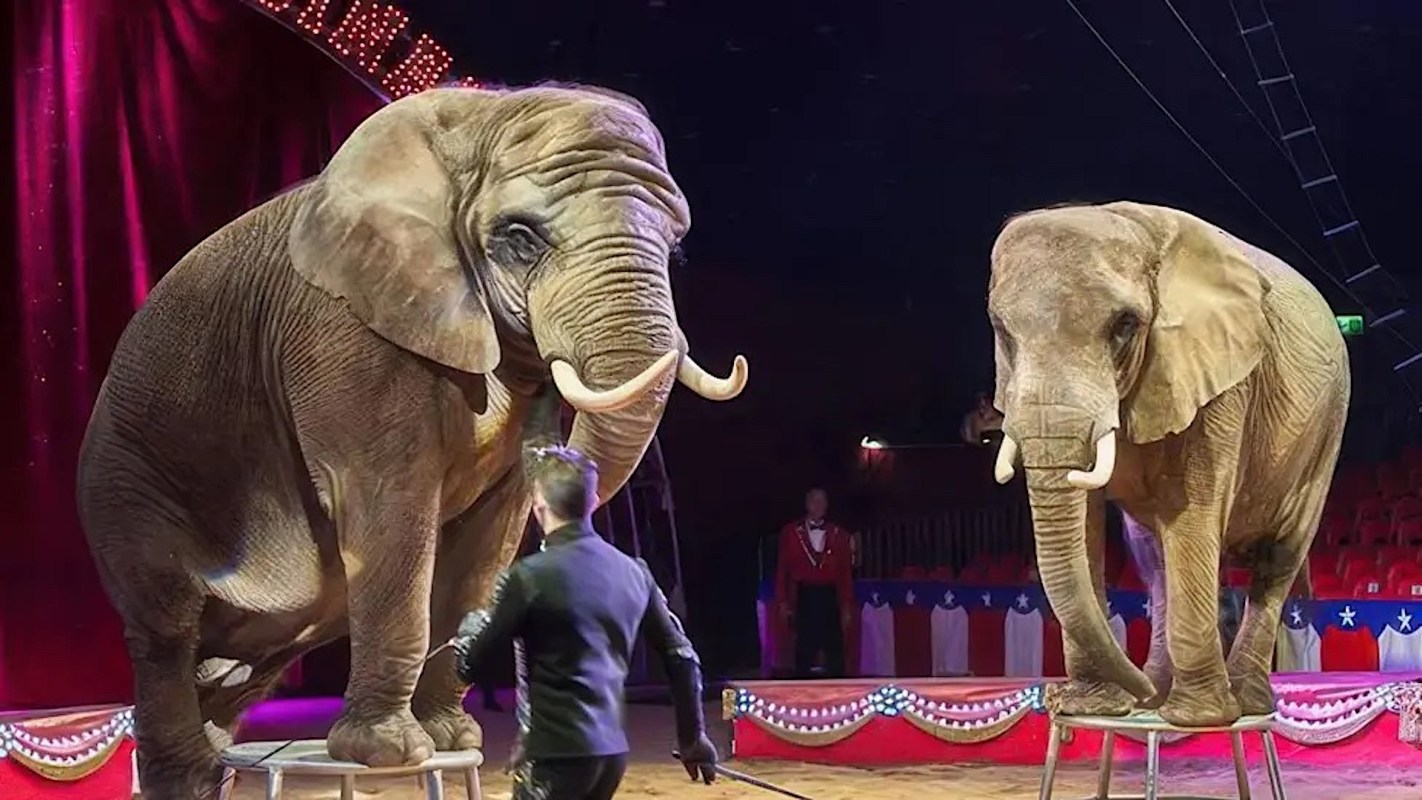
Portugal's final circus elephant is no longer in the ring: after 40 years of performances, Julie, an African elephant captured as a calf in the late 1980s, has been moved into retirement and into a first-of-its-kind sanctuary.
What happened?
According to Good News Network, Julie arrived at her new home, the Pangea Elephant Sanctuary in the Alentejo region, in June after leaving the Víctor Hugo Cardinali circus grounds.
Her relocation followed 18 months of preparation as the sanctuary was being built.
The outlet reported that, after being captured in Africa and brought to Portugal, Julie began performing in the circus in 1988. Her departure also closed a chapter for the country, since she was its last remaining circus elephant.
The move happened against the backdrop of a Portugal law that ended wild animal acts in the country in 2024. Despite no longer performing, Julie stayed on the circus grounds as she had nowhere else to go. That's when Pangea reached out to her former owner to help arrange one.
Good News Network reported that Julie appeared to settle in quickly after being relocated to the sanctuary. She was the first elephant to live at a sanctuary designed for animals with backgrounds like hers.
TCD Picks » Good Store Spotlight
Get 10% off your next purchase with code TCD10




Why does it matter?
Julie's arrival reflects a wider shift in how animals used for entertainment are treated once their working years come to an end.
Animals that have spent much of their lives in controlled performance settings can encounter a very different environment in a sanctuary — more space, fewer demands, and the chance to exist without being expected to entertain.
Her move also points to a practical issue that often follows animal protection laws: While bans can stop harmful practices, the animals affected still need safe, permanent places to live.
Without permanent care options, policy changes can leave major gaps.
What's being done?
Pangea Elephant Sanctuary is now building a support system to fill those cracks.
The 1,000-acre sanctuary plans to accommodate about 20 to 35 elephants over time, with capacity currently limited until more barns and fencing are completed.
The organization is independently registered as a charity in the U.K. and Portugal, and Julie is only the beginning. Another wild-caught female African elephant, Kariba, also in her 40s and currently alone at a Belgian zoo, is expected to arrive later this year.
"There couldn't be a more fitting first resident than Portugal's last circus elephant," said the sanctuary's managing director, Kate Moore, as reported by the Good News Network. "Our focus is now to give Julie the best possible quality of life in her time ahead."

Get TCD's free newsletters for easy tips, smart advice, and a chance to earn $5,000 toward home upgrades. To see more stories like this one, change your Google preferences here.