


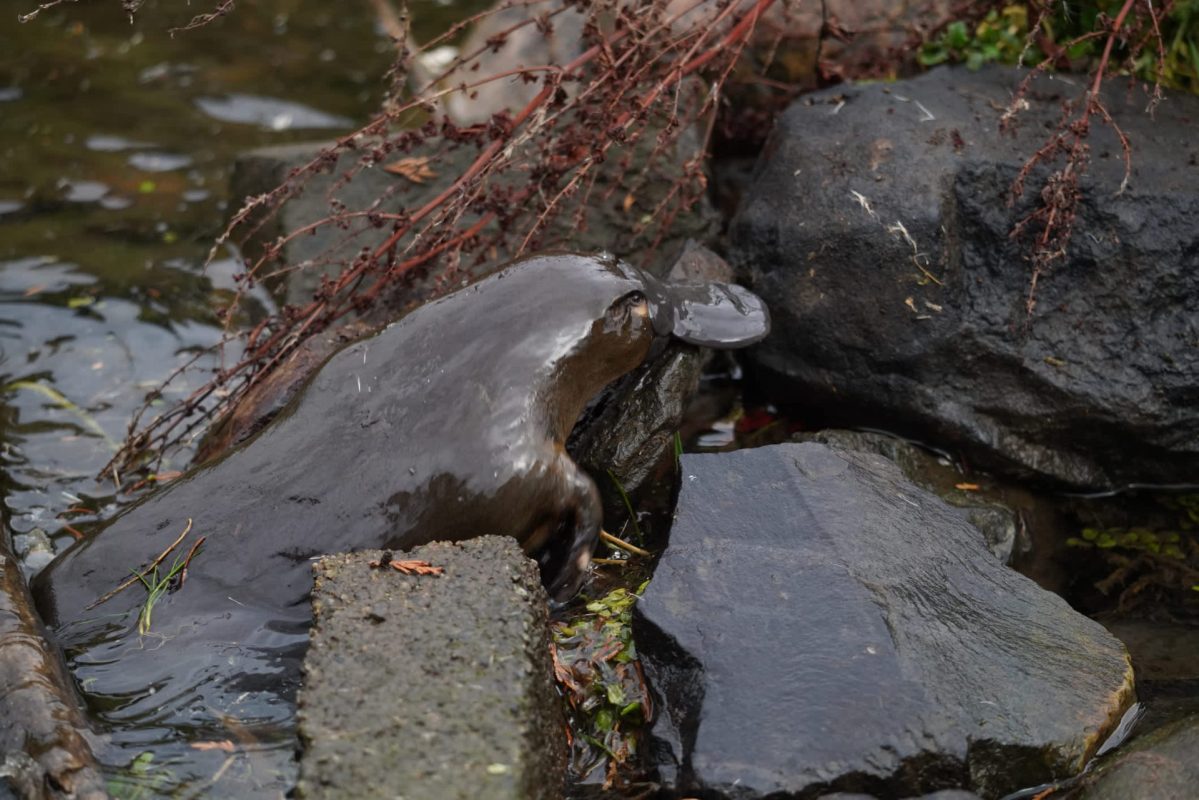
One strange, little mammal is winning hearts online after a zookeeper shared footage of the "very adventurous little platypus" exploring an Australian freshwater ecosystem.
For anyone lucky enough to spot a platypus in the wild, this kind of extended look is a rare treat.
What happened?
After filming the animal travel across a rocky connection between waterways, zookeeper Suzanne Pearson in Australia shared the footage and described the encounter as "an incredible morning" with the platypus.
What stood out in the Queensland sighting, according to Pearson, was how much ground the little platypus was able to quickly cover. It swiftly left one section of the creek, crossed over rocks, and went through a tunnel to another stream.
Pearson also remarked on how small the animal seemed, which made the extended view feel even more unusual. She wrote, "this platy looked very tiny."
Another detail visible in the footage was a white marking on the top of the platypus's bill, which Pearson guessed could have been "an old injury, a lesion or something else."
TCD Picks » Quince Spotlight
💡These best-sellers from Quince deliver affordable, sustainable luxury for all




She went on to explain that they had sent the clip to a platypus expert to make sure it was not something more serious.
Why does it matter?
Platypuses are among the most unusual animals on Earth. They are egg-laying, venomous mammals that spend much of their time in freshwater habitats and can be difficult to spot for more than a moment or two.
Most people never see a platypus out on land, so footage of one crossing rocks and threading through a tunnel between waterways offers a rare look at how it moves throughout its native ecosystem.
While a brief sighting might only confirm that an animal is present, a longer look can (and did) reveal possible health concerns, injuries, or other clues that may matter to experts monitoring local populations.
What's being done?
For now, the team of zoologists documented the white mark and sent the photos out for expert assessment.
The follow-up may be useful to protect wild animals like this one with visible abnormalities, especially in an elusive species like the platypus.
If you find yourself in a similar situation with potentially injured wildlife, keep a respectful distance, try to take clear photos or video, and note the time and location of the sighting.
That information can then be passed along to wildlife rescue groups, local conservation organizations, or species specialists if there appears to be an injury or illness.
But more broadly, protecting creek banks, reducing pollution in waterways, and avoiding disturbance around freshwater habitat can all help animals like platypuses.

Get TCD's free newsletters for easy tips, smart advice, and a chance to earn $5,000 toward home upgrades. To see more stories like this one, change your Google preferences here.







