


Extinction can feel like an abstract concept until a species is gone for good.
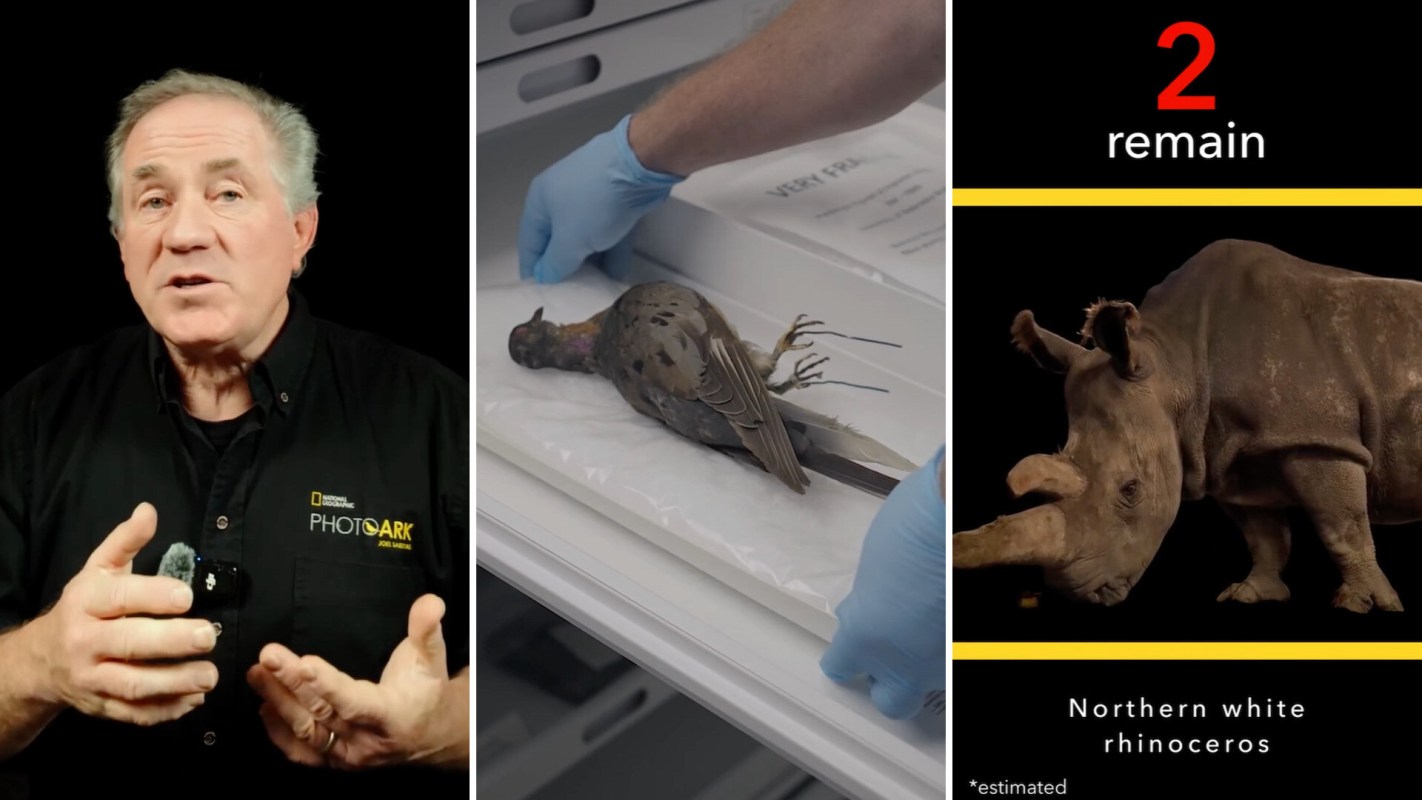
Wildlife photographer and Photo Ark creator Joel Sartore (@joelsartore) is working to make that loss harder to ignore while reminding people there is still time to change course.
What's happening?
In an Instagram Reel, Sartore argues that conservation begins with something as simple as seeing the unique beauty in creatures still with us today.
"Extinction is now, but so is conservation. I hope you'll fall in love with the species of the Photo Ark just like I have and join efforts to help save them," he wrote in the caption.
To illustrate how quickly a species can vanish, Sartore spotlighted the passenger pigeon. This bird once existed in the billions across North America, but then, within a lifetime, disappeared because of overhunting and habitat loss.
"Different species face different threats, but it pushes all of them toward the same outcome eventually," Sartore continued.
TCD Picks » Quince Spotlight
💡These best-sellers from Quince deliver affordable, sustainable luxury for all




Other species under pressure include the Bramble Cay melomys, a small rodent declared extinct in 2019 due to stress from rising sea levels, as well as native Hawaiian birds, which are being forced to higher elevations by invasive mosquitoes carrying avian malaria.
Why does it matter?
When biodiversity declines, animals aren't the only ones at risk.
People also lose parts of the natural systems that support everyday life, including pollination for food crops, wetlands that help reduce flooding, forests that clean air and water, and ecosystems that strengthen community resilience.
Sartore's clip shows how multiple threats can overlap.
What can I do?
Sartore said he has "seen conservation work again and again" and has watched animals return "from the very brink of extinction."
Learning about native wildlife, supporting reputable conservation groups, and backing habitat restoration efforts in your community can strengthen the places people and animals share.
Reducing pesticide use, planting native vegetation, and keeping pets away when they are outdoors are several ways to ease pressure on vulnerable wildlife.
"The future of Earth's wonderful and diverse species is still being written — pick up a pen and help me write it," Sartore concludes in the caption.

Get TCD's free newsletters for easy tips, smart advice, and a chance to earn $5,000 toward home upgrades. To see more stories like this one, change your Google preferences here.







