


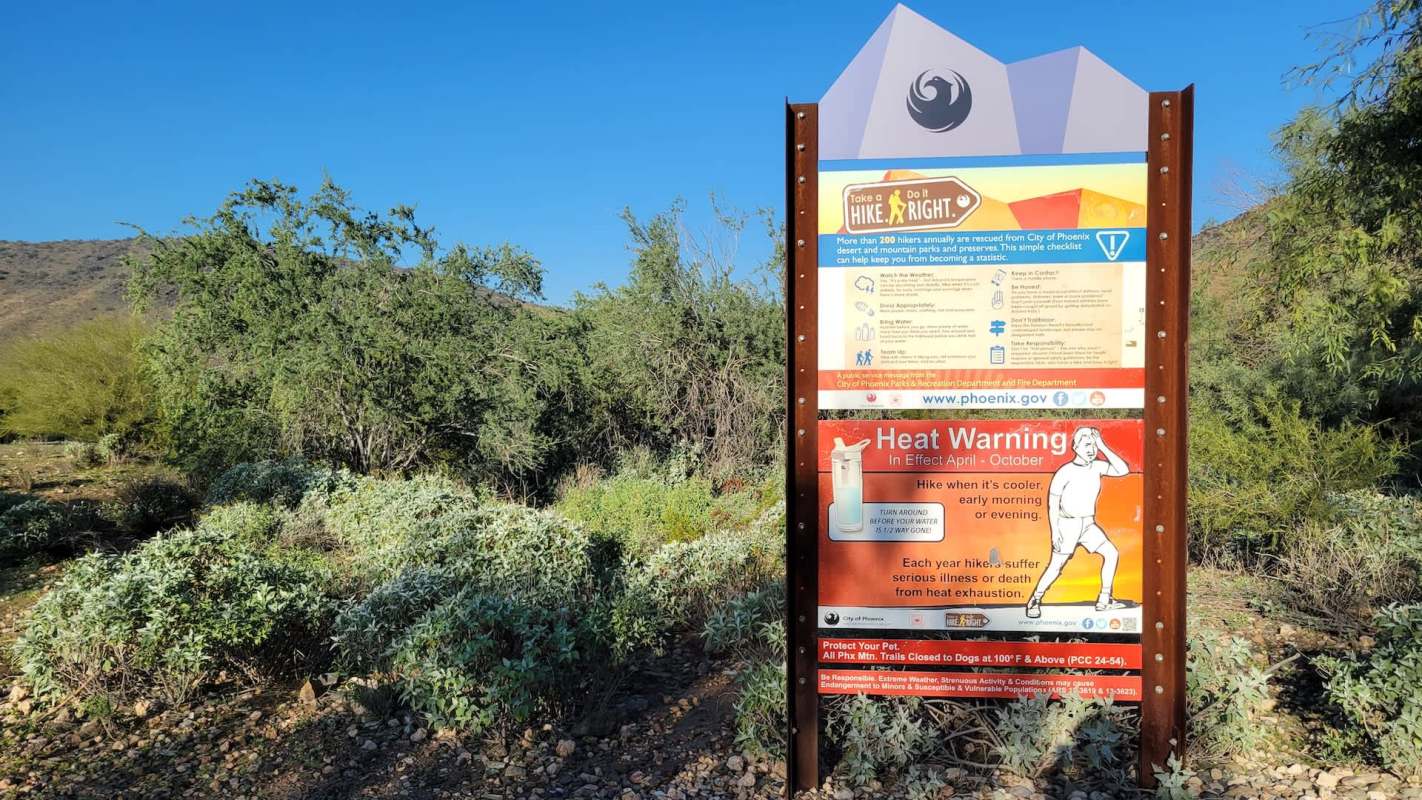
The Phoenix area reached temperatures over 110 degrees this week, with possible highs reaching 115 by week's end, according to the Arizona Republic.
Several consecutive days of triple-digit heat could pose serious health risks across the Valley and much of Arizona, with gusty winds, blowing dust, and isolated chances of storms adding to the risk.
What's happening?
After Phoenix reached 109 degrees on Monday, FOX 10 Phoenix reported that a strengthening ridge over the Southwest and northern Mexico will keep pushing temperatures higher through midweek.
Even after the worst of the heat passes, Phoenix is still forecast to remain near 109 on Saturday and 105 by Sunday — still hot enough to be dangerous for anyone spending extended time outdoors.
Why does it matter?
Several days of intense heat can quickly become hazardous, shifting from uncomfortable to potentially life-threatening.
The Scottsdale Fire Department warned that heat cramps can include "profuse sweating, fatigue, extreme thirst, muscle cramps," while heat exhaustion may bring "headache, dizziness, weakness, nausea/vomit, Cool/moist skin."
TCD Picks » Quince Spotlight
💡These best-sellers from Quince deliver affordable, sustainable luxury for all




In more severe cases, heat stroke can cause elevated temperature, confusion/irrational behavior, dry or hot skin, rapid shallow breathing, rapid weak pulse (shock), seizures, and even unconsciousness.
During heat emergencies, the department advised using wet cloths and airflow to cool the body.
These conditions can also disrupt local economies when outdoor jobs slow down, road travel becomes more hazardous, and families face higher energy bills as they try to stay safe.
What can I do?
The Arizona Department of Health Services said planning around peak heat is essential: "Limit outdoor activity during the hottest part of the day (mid-day)."
If you have to be outside, plan activities for early morning or late evening whenever possible.
The agency also recommends drinking fluids before, during, and after outdoor work or exercise, emphasizing that hydration should begin before a hike or outdoor shift rather than after symptoms begin.
Wearing lightweight, light-colored clothing and protecting your head can also help reduce the risk.
For hikers, the Scottsdale Fire Department advised people to "Always carry a cell phone and best to hike with company" and to let someone know their destination and expected return time. Families should also check on "at-risk friends, family, and neighbors at least twice a day," especially during the hottest stretch.
"Do not underestimate the seriousness of a heat emergency," the Scottsdale Fire Department warned.

Get TCD's free newsletters for easy tips, smart advice, and a chance to earn $5,000 toward home upgrades. To see more stories like this one, change your Google preferences here.







