


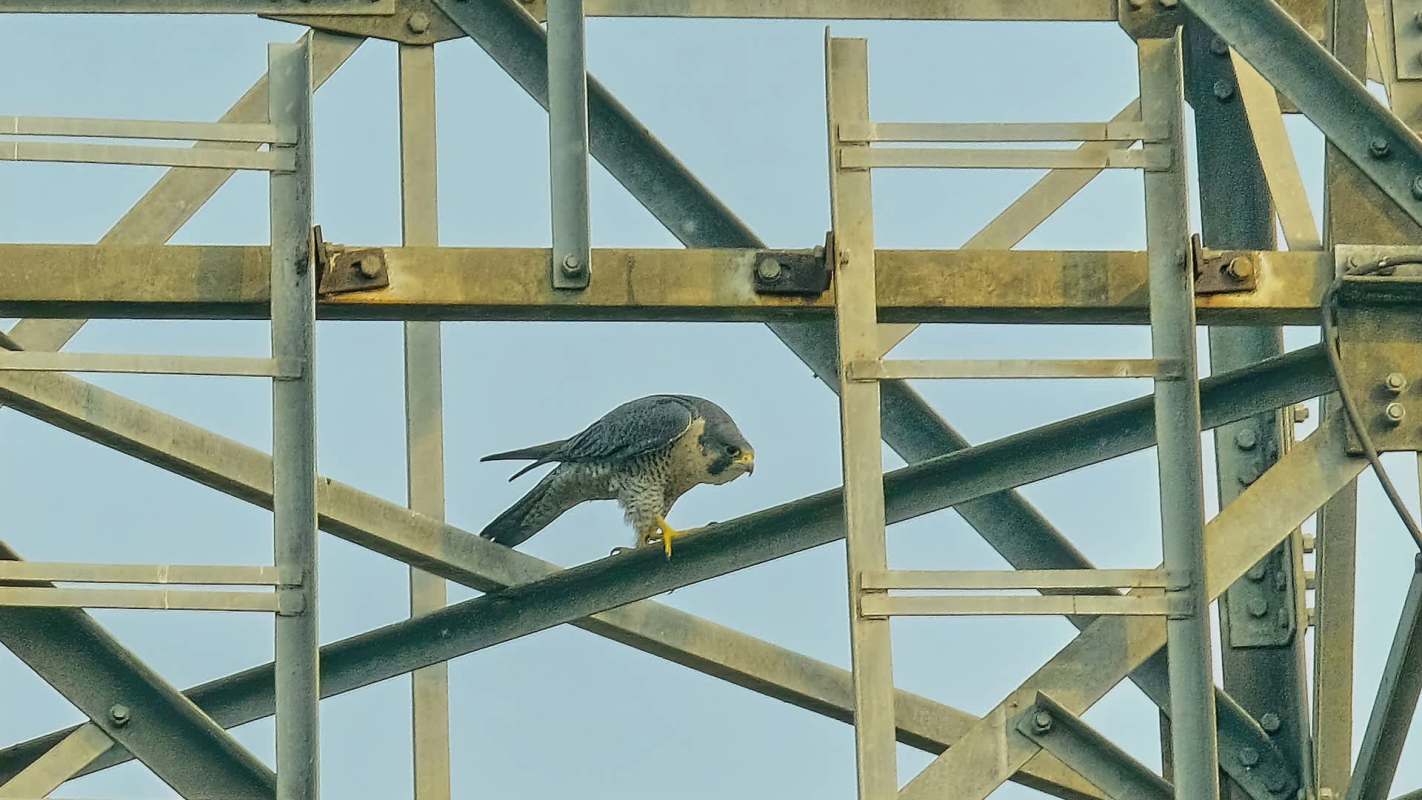
An unexpected group of tenants has complicated World Cup preparations at Toronto's BMO Field.
Four peregrine falcon chicks are nesting in the rafters above the pitch only weeks before the venue's first match.
Rather than remove the birds, officials chose to work around them as wildlife and people increasingly share space in modern cities.
What's happening?
As reported by The Globe and Mail, crews were still putting up signs and installing lights and speakers with fewer than three weeks to go before BMO Field's first World Cup match, while two adult peregrine falcons defended chicks that were almost ready to make their first flight.
For assistance, stadium officials brought in wildlife falconer Dan Frankian.
"They said, 'Dan, can you handle this kind of thing?' and I said, 'We already have a standing permit for this kind of thing,'" Frankian told the outlet.
TCD Picks » Quince Spotlight
💡These best-sellers from Quince deliver affordable, sustainable luxury for all




Instead of relocating the nest, Frankian used nets and protective gear to keep workers separated from the birds until the chicks were ready to leave. Peregrine falcons are known to treat tall urban buildings like cliffs, while a busy lakeside city can provide food, shelter, and fewer natural predators that threaten their eggs.
Wildlife biologist David Bird told The Globe and Mail that peregrines are especially defensive when their young are learning to fly and still depend on adults for food, making nearby human activity particularly risky during that early stage.
Why does it matter?
Peregrine falcon populations were once severely harmed by dichlorodiphenyltrichloroethane, or DDT, a pesticide that thinned their eggshells and caused their numbers across Canada to drop dramatically. After the pesticide was phased out and conservation efforts increased, the birds began to recover.
"Peregrine falcons are what I call canaries in the coal mine," Bird said, explaining that threats facing top predators can point to broader environmental dangers and highlighting the growing body of research that suggests DDT is carcinogenic.
"Anything they die of, we die of," he said.
Now, some peregrines are thriving in cities, but that also means people have to adapt. Large venues can become nesting habitats, creating situations in which both worker safety and animal welfare must be protected.
As cities continue to expand, coexistence strategies like the one used at BMO Field may become more common.
Frankian told The Globe and Mail that he was pleased with the result: "Nobody got hurt."

Get TCD's free newsletters for easy tips, smart advice, and a chance to earn $5,000 toward home upgrades. To see more stories like this one, change your Google preferences here.







