


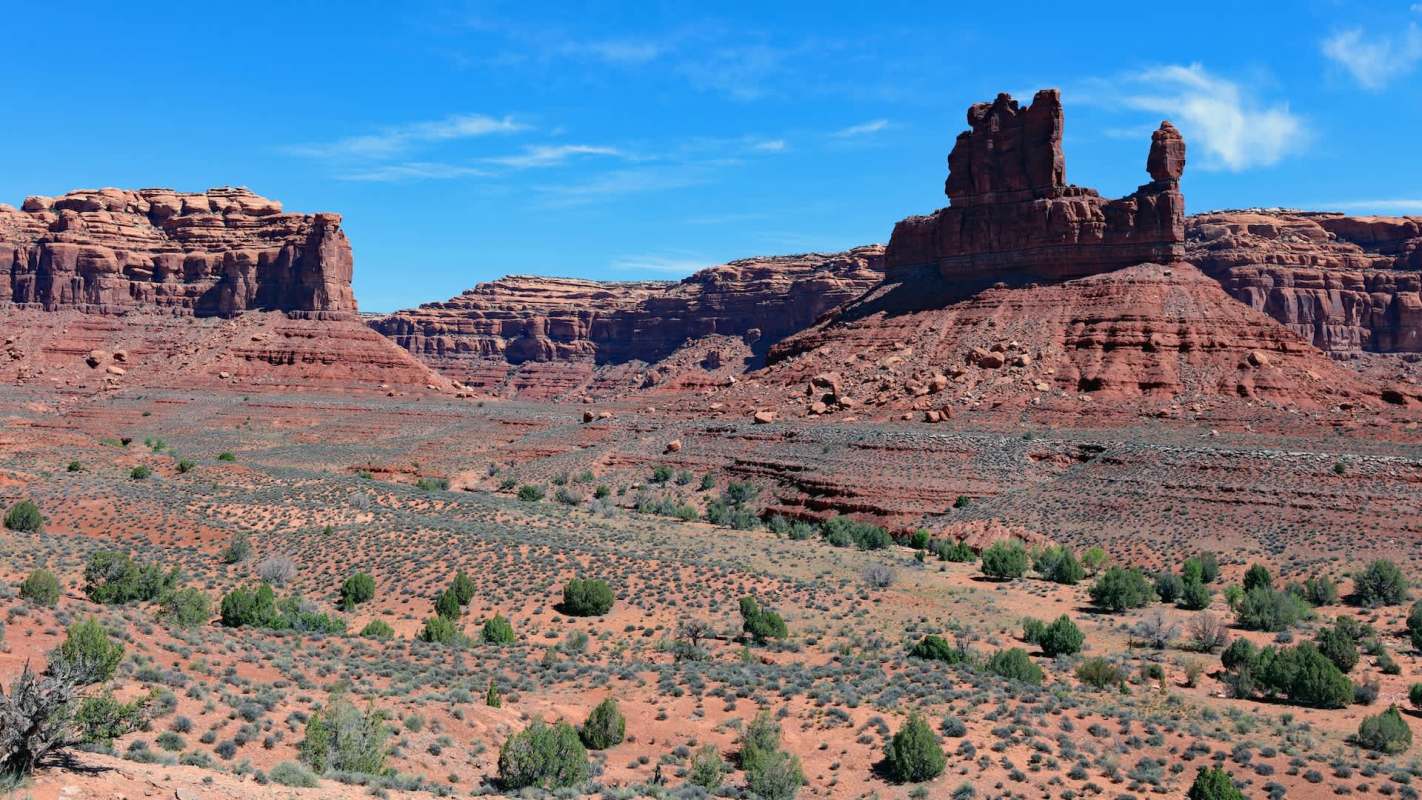
Patagonia has returned to court to challenge a new Trump administration effort to sharply reduce two protected Utah landscapes with major cultural and ecological importance.
The company says nearly 3 million acres would lose monument-related protections, setting off another round in a yearslong dispute over public lands, Tribal sovereignty, and who has a voice in managing those areas.
Here's what to know
In a Sept. 2 announcement, Patagonia said it was filing suit over orders that would drastically reduce Bears Ears National Monument by about 91% and Grand Staircase-Escalante National Monument by about 90%, according to UPI.
Patagonia said the legal fight echoes 2017, when it described itself as the first business to sue a sitting president over public lands after President Donald Trump reduced Bears Ears by 85% and Grand Staircase-Escalante by nearly half during his first term.
Neither case had been resolved by the 2020 election, and in 2021 President Joe Biden restored both monuments to their original size.
Patagonia CEO Ryan Gellert sharply criticized the July 13 rollback.
TCD Picks » Quince Spotlight
💡These best-sellers from Quince deliver affordable, sustainable luxury for all




"Slashing Bears Ears and dismantling the Bears Ears commission is a betrayal of Tribal sovereignty and needlessly throws away years of effort to create the first Tribal co-management structure of a national monument in U.S. history," he said.
Bears Ears was designated in 2016 by President Barack Obama after five Tribal nations put forward the proposal: the Navajo Nation, Hopi Tribe, Ute Mountain Ute Tribe, Ute Indian Tribe of the Uintah and Ouray Reservation, and the Pueblo of Zuni.
More background
The monument contains sacred cultural sites, archaeological resources, wildlife habitat, and an unusual shared-stewardship arrangement between Tribal nations and the federal government.
A central argument in the case involves the Antiquities Act. Patagonia says presidents can use the law to create national monuments but not to eliminate them, while the Trump administration and Utah Gov. Spencer Cox maintain that protections should cover only the smallest area needed to protect the relevant objects, according to UPI.
On July 13, Trump said the public cannot hunt, fish, or "virtually not even walk" on the land. But the Utah Division of Wildlife Resources and the U.S. Bureau of Land Management say both monuments are open to hiking, hunting, fishing, and other recreation.
The Center for Western Priorities said in July that the orders could open the land to sale or to leases for oil, gas, mining, or logging companies within 60 days.
What's being done?
As it challenges the cuts, Patagonia has emphasized that Bears Ears grew out of years of organizing by Tribal leaders, scientists, conservation groups, and outdoor industry advocates.
Indigenous leadership and co-management are also central to Bears Ears.
For consumers, spending choices can support businesses that are willing to defend public lands and uphold climate-conscious values. People who want to put more of their dollars behind that kind of corporate action can learn more about supporting eco-friendly initiatives by mainstream brands.
The court battle will help determine whether future presidents can continue shrinking national monuments after they are established, a decision that could shape protections for treasured public lands across the country.
As Gellert put it, per UPI, "Patagonia worked with the Bears Ears Inter-Tribal Coalition, scientists, conservation groups, outdoor industry advocates and more to establish the monument in 2016, and we are committed to defending it today and into the future."
Where can I learn more?
Patagonia's lawsuit is part of a longer history of the company stepping into fights that go well beyond selling outdoor gear. The articles here trace how that has played out, from internal debates over values and public disputes to decisions about who controls the company itself.
• Patagonia faced criticism after moves to erase queer climate activism, prompting a public response.
• Yvon Chouinard put Patagonia under a climate-focused ownership structure to fund environmental action.
• Patagonia also pursued a trademark dispute with drag queen Pattie Gonia primarily pertaining to merchandise sales, widening debate over identity and activism.

Get TCD's free newsletters for easy tips, smart advice, and a chance to earn $5,000 toward home upgrades. To see more stories like this one, change your Google preferences here.







