


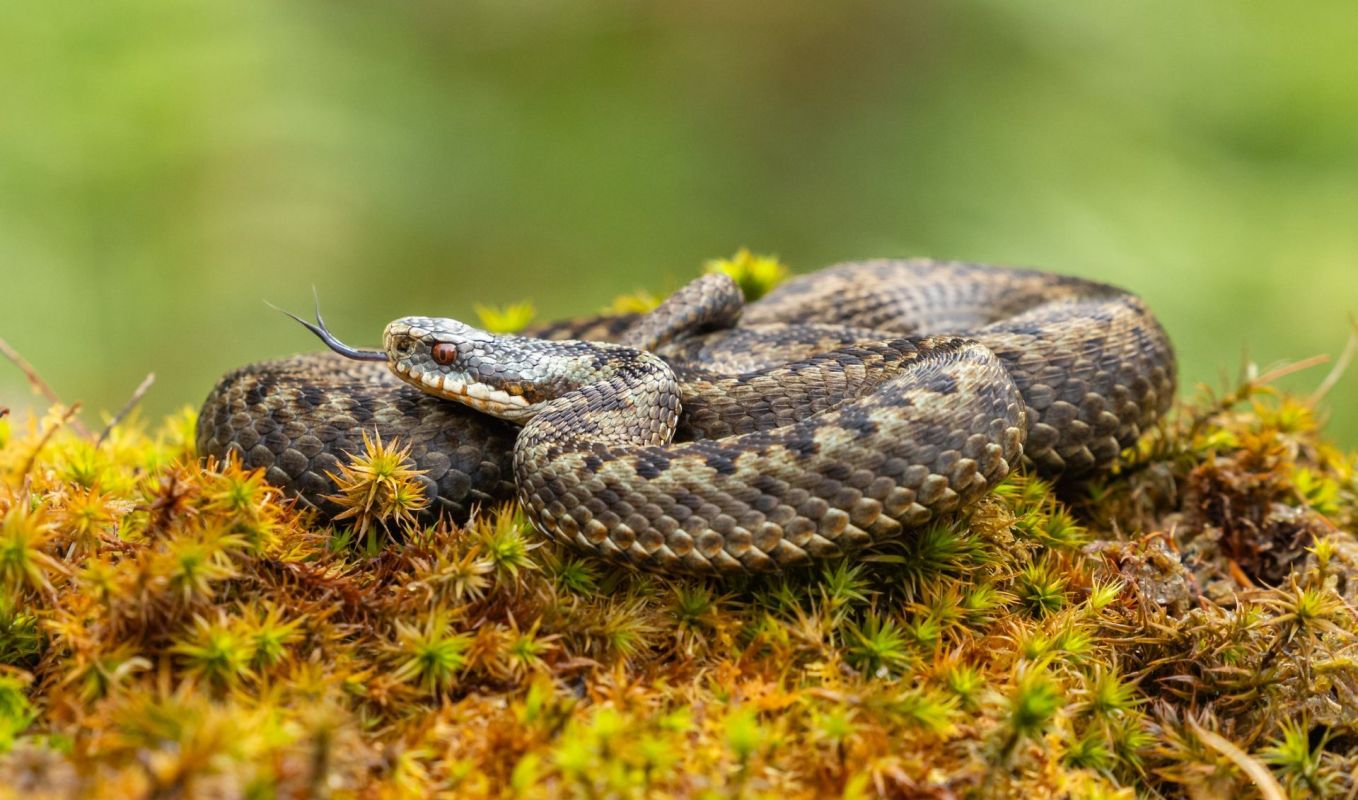
Warwickshire's adder population is now extinct, and Oxfordshire's may be next.
Conservationists say habitat loss, human disturbance, and predation by gamebirds have pushed the county's last known adder population to the brink of extinction.
Here's what to know
Oxfordshire's adder numbers have dropped sharply since 2000, and the county's Local Nature Recovery Strategy now identifies just one population in the Chilterns. The adder, scientifically known as Vipera berus, is Britain's only venomous snake and is considered scarce in the county.
Nobody has confirmed a sighting in Oxfordshire since 2015. The county's surviving group had been reintroduced before that, according to the Oxford Mail.
The pattern is spreading county by county, and the species is growing more isolated as a result.
More background
Per the county's Local Nature Recovery Strategy, habitat loss, human disturbance, and predation by gamebirds have driven the decline.
TCD Picks » Quince Spotlight
💡These best-sellers from Quince deliver affordable, sustainable luxury for all




Warwickshire Wildlife Trust confirmed the county's adder extinction, with the last confirmed record in 2004, and the announcement brought attention to the species' position across the Midlands and central southern England.
What's being done?
Oxfordshire's strategy, shaped by input from more than 3,000 people and organizations, calls for building and improving habitat mosaics and looking at reintroductions in the Chilterns or Cotswolds.
Adders need a mix of heathland, scrub, and woodland edges, plus warm spots for basking and sheltered areas for hibernation, to thrive.
Where can I learn more?
Some animal populations disappear from one place, while others rebound unexpectedly or grow in ways that bring new problems. Reporting from Dartmoor, the Isle of Man, and St. Joseph County shows how differently local ecosystems can change.
• Near Dartmoor, apparent wild boar sightings have reopened arguments over a species once erased locally.
• On the Isle of Man, booming wallaby numbers show how non-native wildlife can reshape habitats.
• In St. Joseph County, surging tick populations are raising fresh concerns about shifting ecological pressures.
Watching other species move back in, spread, or surge helps show what's at stake when a native reptile is pushed to the edge of local extinction.

Get TCD's free newsletters for easy tips, smart advice, and a chance to earn $5,000 toward home upgrades. To see more stories like this one, change your Google preferences here.







