


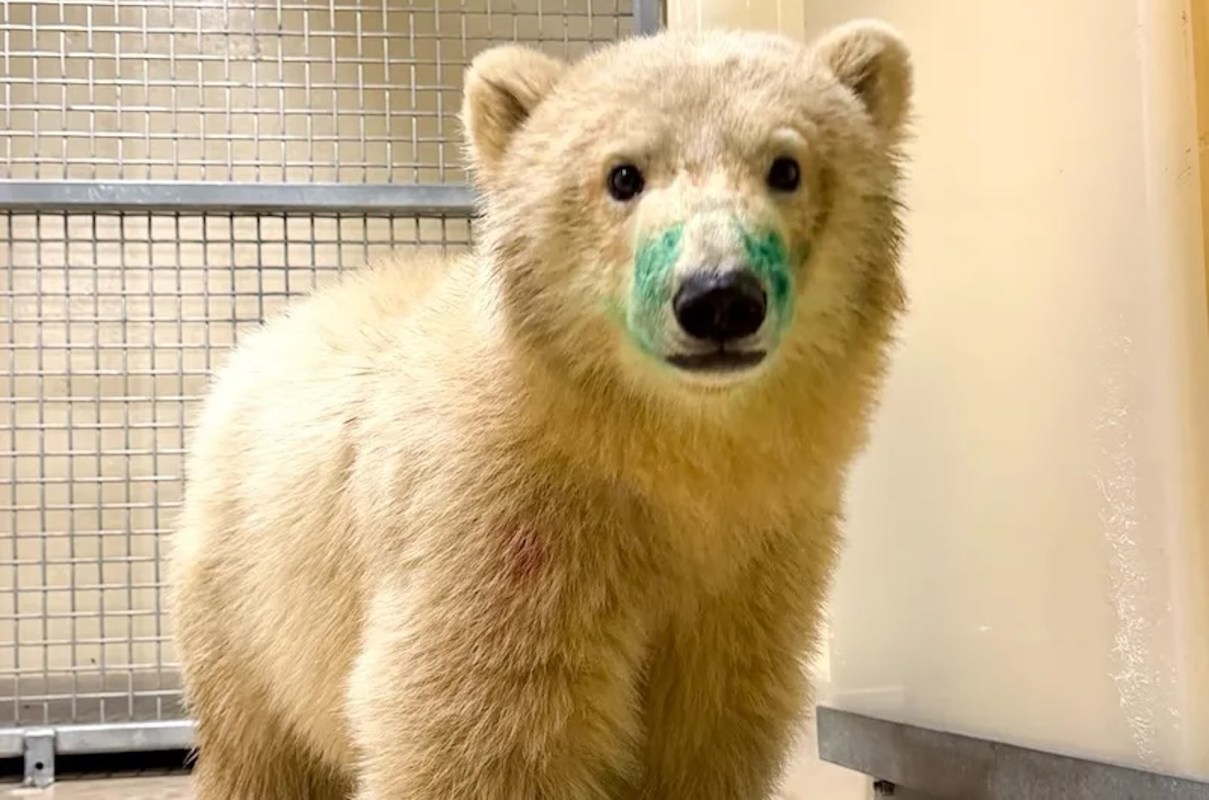
An orphaned polar bear cub from the Churchill area has been moved to Winnipeg after its mother was found dead, leaving the young animal with little chance of surviving on its own.
The rescue has placed the cub in expert care at a major Manitoba conservation facility, ChrisD.ca reported.
Here's what to know
In coordination with provincial officials, Assiniboine Park Zoo sent veterinary staff north to examine the cub before overseeing its move to Winnipeg.
The cub arrived safely late in the evening on Thursday, Aug. 20, and is at Winnipeg's Leatherdale International Polar Bear Conservation Centre.
The zoo cited research showing that polar bear cubs orphaned during their first year cannot survive independently in the wild.
The cub will remain behind the scenes during a quarantine period while vets, animal care staff, and conservation scientists assess its health and determine its care needs. Visitors will not be able to see the animal.
TCD Picks » Quince Spotlight
💡These best-sellers from Quince deliver affordable, sustainable luxury for all




The transfer adds to the zoo's rescue work.
Assiniboine Park Zoo is already home to Storm, Nanuq, York, Kaska, Willow, and Star, and the last cubs transferred there arrived in 2017.
More background
The response relied on existing infrastructure.
A cub in distress needs far more than transportation. It needs trained staff, quarantine space, veterinary oversight, and a setting built for its species.
When wildlife emergencies happen, local residents and provincial officials rely on institutions that can respond quickly and responsibly.
Facilities such as the Leatherdale International Polar Bear Conservation Centre serve as hubs for hands-on care, research, and conservation knowledge that can help guide future animal welfare decisions.
What's being done?
The immediate focus is on stabilization.
The cub is entering a controlled quarantine period so teams can monitor its condition, reduce stress, and determine the support it needs before any next steps are considered. Dr. Chris Enright, senior director of zoological operations, indicated that the zoo's staff is centering the cub's comfort.
The broader solution is specialized care.
That work gives rescued wildlife a chance to survive and can improve future responses. The goal is simple: safety, stability, and time to adjust.
"Our veterinary and animal care teams will be focused on providing a safe, supportive environment as the cub gets comfortable in its new surroundings," Enright stated.
Where can I learn more?
The situation in Churchill isn't unique.
Facilities from Montana to California have faced the same urgent question: how to stabilize orphaned cubs quickly and give them a real chance to recover.
• After conflicts killed their mother, Montana grizzly cubs were moved to the Cheyenne Mountain Zoo for care.
• In California, a wildlife rescue facility took in a record number of cubs during an unusually demanding season.
• Caretakers in California saw an incredible turnaround after they provided intensive support for an orphaned black bear cub.
Each case underscores the same reality: young bears need trained teams, secure space, and time to recover.
That's why moving the Churchill cub to Winnipeg could make such a difference.

Get TCD's free newsletters for easy tips, smart advice, and a chance to earn $5,000 toward home upgrades. To see more stories like this one, change your Google preferences here.







