


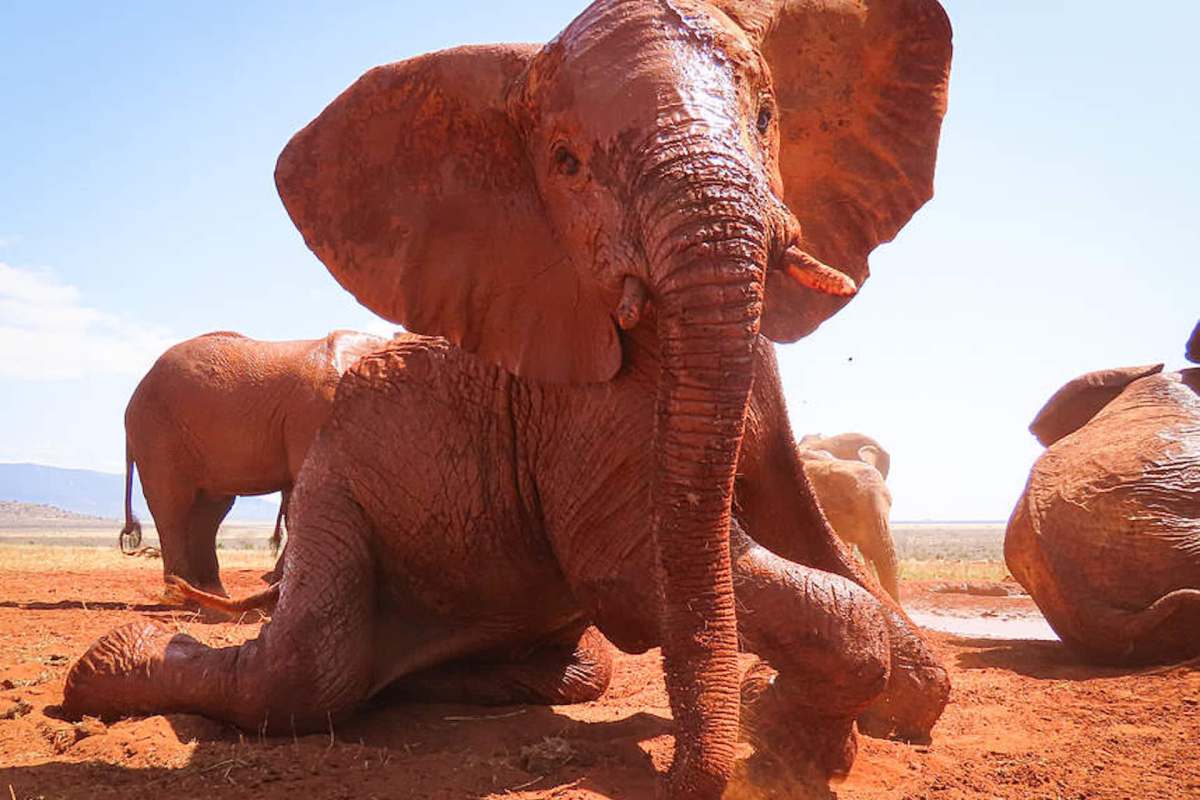
In Kenya's 2022 drought, rescuers came upon a young elephant calf named Ushindi. She was alone, badly weakened, and on the verge of collapse. Now, she occupies a far different place at the Voi Reintegration Unit, where she looks after a younger orphan.
Her story is a powerful reminder that wildlife rescue can do more than save a single animal.
Here's what to know
According to Sheldrick Wildlife Trust, Ushindi, whose name means "victory" in Swahili, was found on Aug. 28, 2022, in Kanderi in southern Tsavo East. The group said the area's wetlands, normally green in the rainy season, had been dried by drought into a broad desert-like expanse.
Before she was brought in, the calf kept trying to attach herself to passing elephant herds but was turned away each time. She arrived at the nearby Voi stockades in a bad state, but a series of drips stabilized her enough that she was back on her feet, even if she was still shaky.
Her rescue was one of many involving juvenile elephants in the southern Tsavo ecosystem during the drought. Older calves faced particular danger because they require a lot of vegetation and, once weakened, could not keep pace with the herd.
More background
Elephants are deeply social animals, and drought does more than deplete food and water sources. It can splinter herds, separate calves from their families, and leave young animals too weak to travel.
TCD Picks » Quince Spotlight
💡These best-sellers from Quince deliver affordable, sustainable luxury for all




After her rescue, Ushindi joined the Voi Reintegration Unit, where Sheldrick Wildlife Trust cared for a large group of juvenile drought orphans nicknamed the "Voi kids." The group was unveiled in a video on Sheldrick's Instagram account (@sheldricktrust).
As for Ushindi, she needed a long period to settle down and regain her condition. At the unit, she has become known as a friendly, calm presence, and that nature shapes how she cares for a younger orphan named Serenget.
She treats Serenget as her baby and stays by her from morning until evening — during mud baths, bottle feedings, and so on.
What's being done?
Sheldrick Wildlife Trust said rescuing an orphan begins a process that may last over a decade, with dedicated keepers helping elephants become confident, self-sufficient wild animals.
That can pay off when the elephants help fellow orphans. The group said there was the prospect that the once-vulnerable calf could raise her own family and even reunite with the wild herd of her birth.
If you're inspired by Sheldrick's work with Ushindi, the group encourages supporting its mission by adopting the elephant.
Where can I learn more?
Ushindi's recovery offers a glimpse of what long-term care can make possible for orphaned elephants. Across Kenya, other accounts show calves found their way back to families and orphans grew into confident, socially connected wild animals.
• A once-orphaned elephant became a herd's swimming king, resisting leaving the water.
• Orphan Kiasa drew big wild bulls, signaling how far rehabilitation can reach.
• In northern Kenya, rescuers guided a calf back to her herd, and the entire family rumbled.
• In Kenya's Samburu ecosystem, Ringlet was adopted by another herd after losing her family.
This shows that, with time, elephants can recover their social bonds and reclaim a future in the wild.

Get TCD's free newsletters for easy tips, smart advice, and a chance to earn $5,000 toward home upgrades. To see more stories like this one, change your Google preferences here.







