


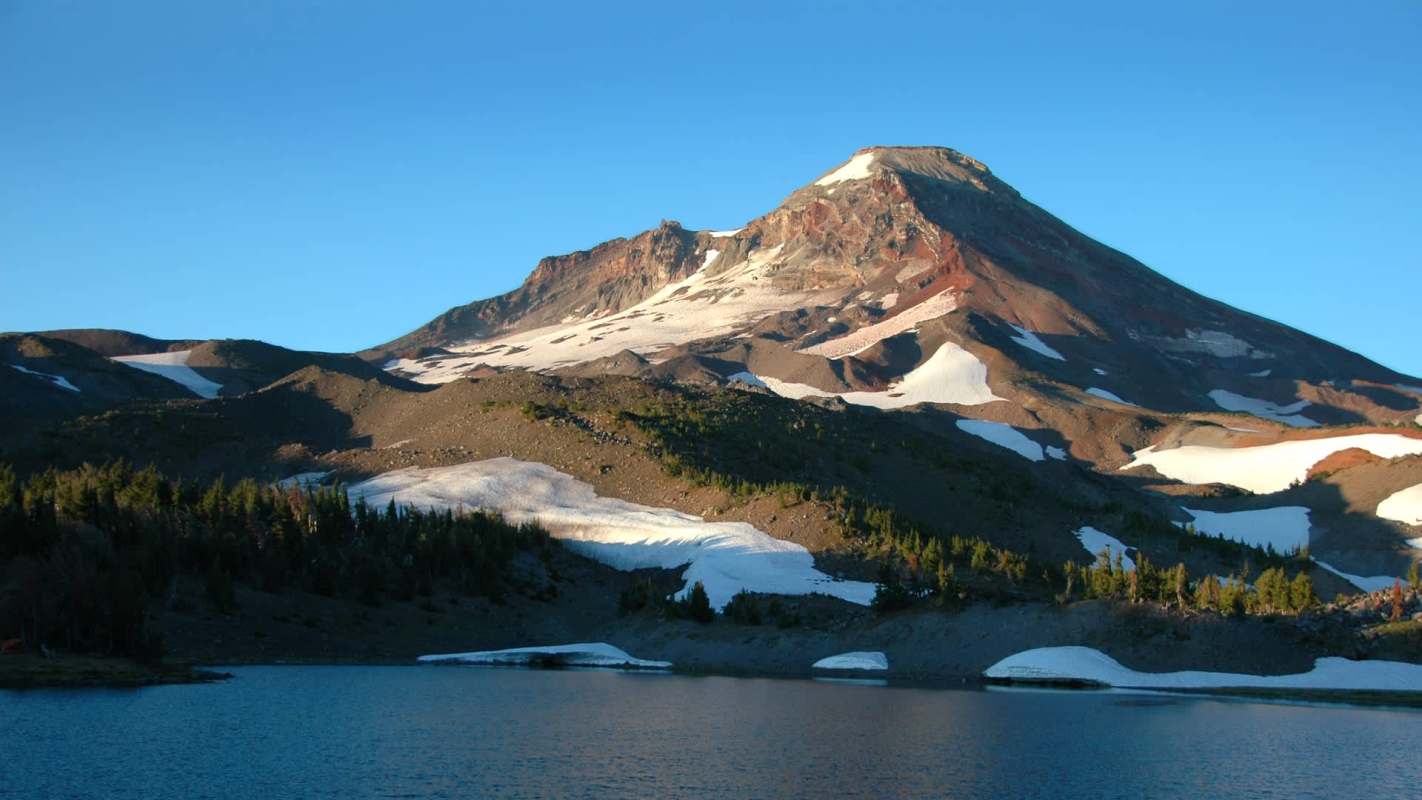
Oregon's drought emergency is spreading quickly after an unusually warm winter left the state with little snowpack, setting off concerns about water supplies and potential wildfires.
Gov. Tina Kotek has now placed 12 of Oregon's 36 counties under drought emergency status, meaning one-third of the state is officially facing worsening dry conditions, according to a report from KGW.com.
What's happening?
On May 12, Kotek declared drought emergencies in Coos, Klamath, and Wheeler counties, marking the third round of drought declarations in Oregon this year.
That brings the total number of counties under emergency status to 12. Earlier declarations covered Baker, Deschutes, Umatilla, Cook, Grant, Jackson, Jefferson, Morrow, and Wallowa counties.
According to Kotek's office, forecasted snowpack, temperature, precipitation, and water supply conditions suggest conditions are "unlikely to improve in the near-term."
The situation is already difficult in several parts of the state. As of April 28, nearly all of Wheeler County was classified in severe drought, with some areas facing even worse conditions. In Klamath County, about 70% of the county is experiencing moderate to severe drought. Coos County was in moderate drought at the end of April, though state officials said it could fall into severe drought if dry weather continues.
TCD Picks » Quince Spotlight
💡These best-sellers from Quince deliver affordable, sustainable luxury for all




Low snowpack is especially troubling because mountain snowpack serves as a natural reservoir, gradually feeding rivers and streams through the spring and summer. When that snow never builds up — or melts too early — communities can experience water shortages much sooner than expected.
Why is Oregon's drought emergency important?
State officials warned that worsening conditions are likely to impact farms, the tourism industry, drinking water, fish and wildlife habitat, and other natural resource-linked industries. In agricultural communities, less water can mean smaller harvests, stressed livestock, and higher costs. For households and towns, it can bring tighter water restrictions and more uncertainty during the hottest months of the year.
The growing drought also raises wildfire concerns. Dry landscapes, limited moisture, and prolonged heat can create more dangerous fire conditions.
Scientists have linked rising global temperatures to more frequent and intense drought across much of the American West.
If you want to better understand how these changes connect to broader environmental trends, The Cool Down has a guide to exploring critical climate issues.
What's being done about Oregon's drought emergency?
KGW noted that drought emergencies give affected communities access to additional state support.
Kotek has also directed state agencies to coordinate and prioritize support in the region.

Get TCD's free newsletters for easy tips, smart advice, and a chance to earn $5,000 toward home upgrades. To see more stories like this one, change your Google preferences here.







