


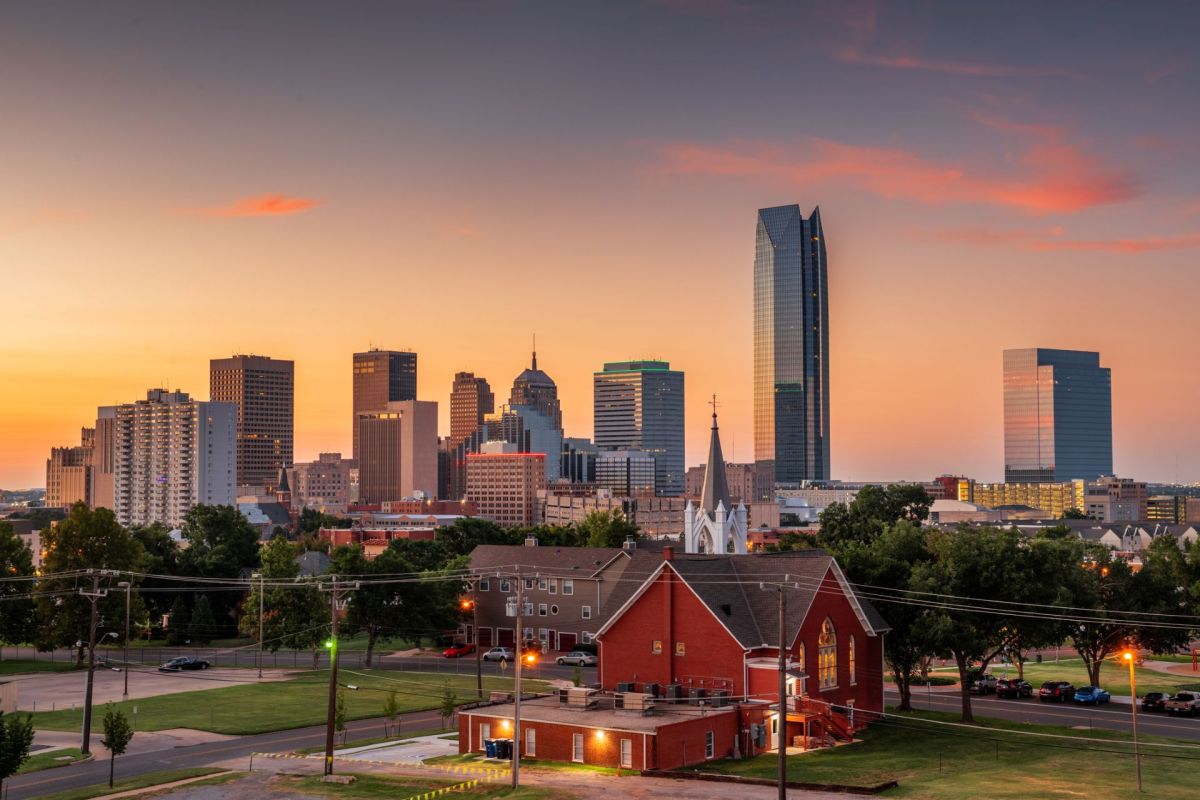
As the week begins, Oklahoma City is set to experience a prolonged stretch of dangerous heat.
What's happening?
Triple digits began to punish the capital of Oklahoma on Sunday, August 9, and are set to last through Thursday, according to Hoodline, with highs around 101 degrees Fahrenheit. When the week began, heat index values were forecast to reach up to 108 degrees.
Little cooling is expected, with overnight temperatures holding near 79 degrees and heat index values even higher. As Hoodline reported, a small dip in the forecast could bring highs down to roughly 97 on Friday. But that could still be hot enough to pose risks, particularly for people who spend long periods outside.
Why is this concerning?
Extended heat waves can be more dangerous than a single extremely hot day because the body has less time to recover, particularly when overnight temperatures remain elevated.
Dehydration, heat exhaustion, and heat stroke can develop quickly, and the risks can be even greater for younger children, older adults, pregnant people, people with chronic health conditions, and outdoor workers.
Extreme heat endangers lives and livelihoods, as prolonged heat can send people to emergency rooms, disrupt outdoor jobs, impact workers, and increase household energy bills. When scorching days are followed by warm nights, families without reliable housing and air conditioning can face even greater health hazards and financial strains.
TCD Picks » Quince Spotlight
💡These best-sellers from Quince deliver affordable, sustainable luxury for all




High electricity demands, meanwhile, can strain power systems, and intense heat can affect roads and vehicles, while emergency services may see an increase in calls related to heat illness.
What can be done by and for affected populations?
Officials recommend drinking plenty of water, limiting direct sun exposure, and using air conditioning when possible. If you have to be outdoors, lightweight clothing and frequent breaks in the shade can help lower the risk of heat illness.
Access to cooling centers is especially important for people who do not have dependable air conditioning at home. Planning ahead before the hottest parts of the day can also help reduce unnecessary exposure.
Older adults, neighbors living alone, and anyone with medical vulnerabilities may need extra support during extreme heat. A quick call or visit can make a meaningful difference.
Adjusting routines where possible by moving outdoor chores to cooler hours, never leaving kids or pets in parked cars for any amount of time, and watching for symptoms such as dizziness, nausea, rapid pulse, or confusion can help to mitigate deadly heat-related risks.

Get TCD's free newsletters for easy tips, smart advice, and a chance to earn $5,000 toward home upgrades. To see more stories like this one, change your Google preferences here.







