


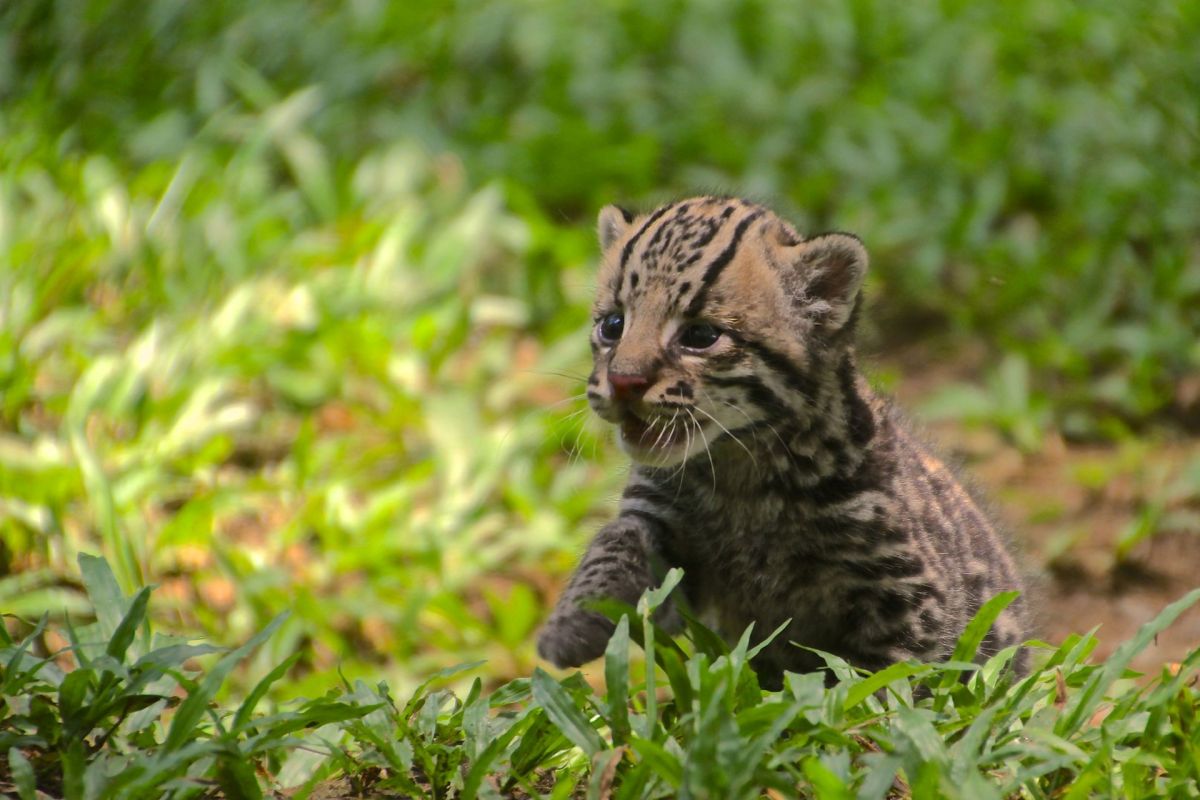
For conservationists, the two ocelot kittens born at Caldwell Zoo in Tyler represent an uncommon success.
The species is notoriously hard to breed, and with fewer than 200 ocelots believed to remain in Texas, the cubs could eventually help sustain one of the country's most fragile wild cat populations.
What happened?
After years of unsuccessful breeding efforts, Caldwell Zoo has welcomed two ocelot kittens, according to the Tyler Morning Telegraph.
The kittens arrived about three weeks before the report. To avoid stressing their mother, zoo staff have kept them entirely away from human contact, which means their sex has not yet been identified, and keepers planned to wait another week or two before handling them.
Bragg told the outlet that ocelots are difficult to breed in both captivity and the wild because they are highly stressed.
"That species has trouble breeding in zoos and in the wild because they get stressed out easily. If conditions are not suitable, they won't breed," Bragg said.
TCD Picks » Quince Spotlight
💡These best-sellers from Quince deliver affordable, sustainable luxury for all




The 15-year-old mother had previously failed to breed with other males, making this pairing with a 6-year-old father especially notable. Staff kept the adults apart for months, then separated them again after mating because male and female ocelots usually pair only to breed.
Why does it matter?
In Texas, the wild ocelot population remains dangerously low.
The cats once ranged much more widely, but habitat loss, historic hunting for fur, and prolonged drought have helped drive the state's population down to fewer than 200 animals. Most of the remaining cats are concentrated in two areas of South Texas.
Bragg said the Caldwell kittens are expected to be sent to another AZA-approved facility, where later generations may eventually be used in a recovery effort connected to the new $20 million Ocelot Conservation Facility in Kingsville.
The aim is to breed cats that retain at least 75% of the Texas subspecies' genetics and prepare them for reintroduction.
That recovery work could also help protect local ecosystems and the lands people rely on. Ocelots are apex predators that help keep prey populations in balance, while conservation efforts encourage landowners to preserve brush habitat through restoration and easements that can benefit wildlife for years.
What are people saying?
Bragg emphasized just how sensitive the animals are, saying, "Ocelots are a very solitary and elusive species. They don't like to be in the open. Bobcats are going to adapt to encroachment from humans. Ocelot not so much."
She added, "You have to have checks and balances in nature."

Get TCD's free newsletters for easy tips, smart advice, and a chance to earn $5,000 toward home upgrades. To see more stories like this one, change your Google preferences here.







