


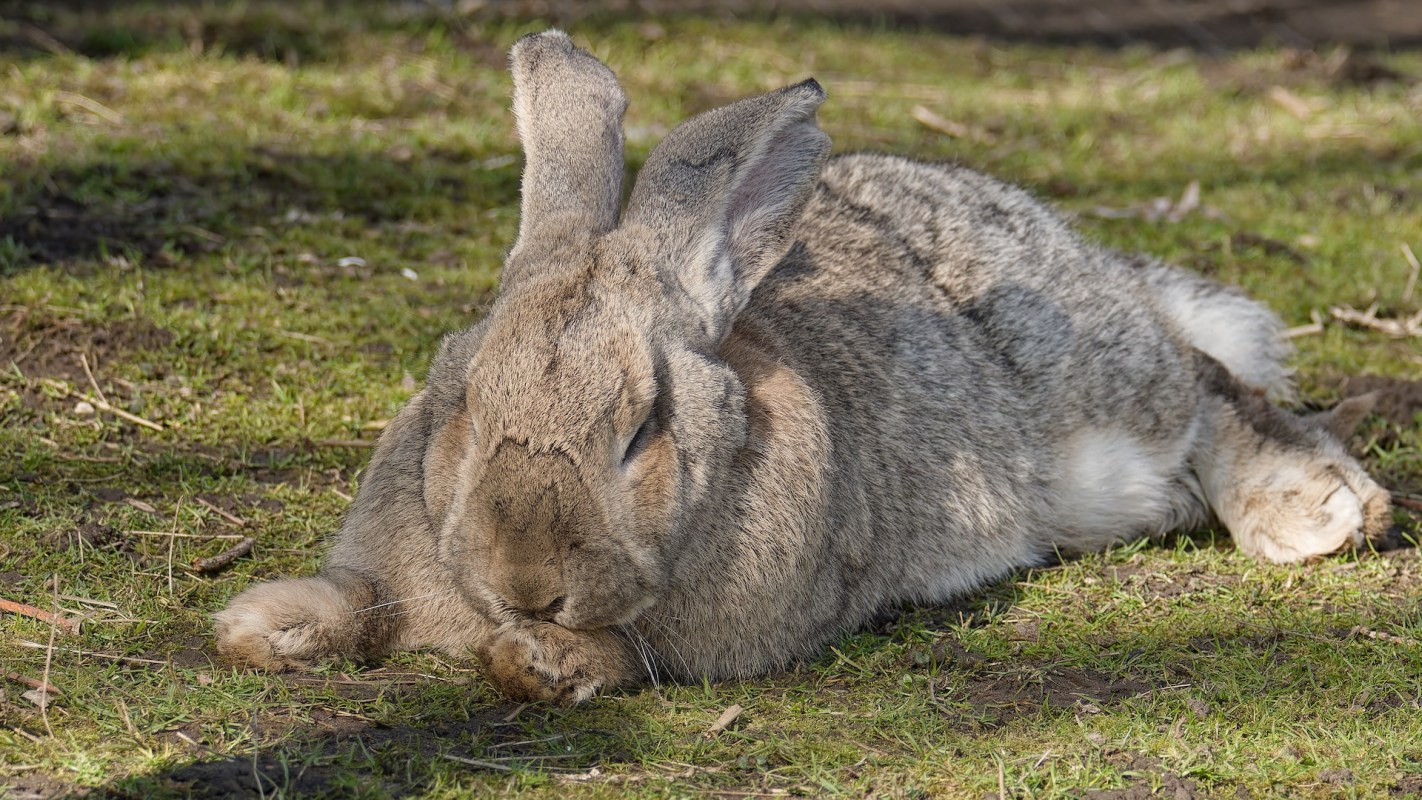
Every morning before prayers and breakfast, Sister Consuelo Peset Laudeña starts her day by checking cages of 35 giant rabbits at a convent in central Spain. This unusual morning routine is helping to rescue a rare breed from the brink of extinction.
According to Global Sisters Report, the 54-year-old abbess is leading a group of Franciscan sisters at the Convent of St. Anthony of Padua on a conservation mission. Their goal is to preserve Spain's giant rabbit, an endangered heritage breed with deep roots in the country's history.
The work began decades ago when Peset's parents gave her a pair of rabbits for personal consumption. But about 10 years ago, the sisters learned the animals they had were on the brink of extinction.
"We contacted an association, I sent some photos, and they told me, 'You have a spectacular animal, and it's endangered,'" the abbess recalled.
The breed comes from Flemish Giant rabbits crossed with Spanish brown-type females and can weigh up to 20 pounds.
The Abbey agreed to participate in the recovery, breeding, and study of this rabbit species, and the conservation initiative was born, securing permits and setting up a small farm with an initial investment of around 5,000 euros, or approximately $5,700.
TCD Picks » Quince Spotlight
💡These best-sellers from Quince deliver affordable, sustainable luxury for all




This commitment is about more than saving a couple of animals. Peset explains that Spain's giant rabbit is part of the country's "historical memory," especially because it helped feed families and orphanages amid food shortages during the Spanish Civil War.
"Many families have managed to get by thanks to this animal, and now it seems we are forgetting that part of our history," the abbess said.
Today, the sisters' conservation work is highly structured, providing care that is constant and exacting. Three of the convent's 11 sisters dedicate their work to the farm, and Peset, who has veterinary assistant training, does health checks each morning.
They ensure each rabbit has a pedigree to avoid inbreeding and responsibly manage the population.
The sisters keep a precise feeding log and provide the rabbits with adequate space and ventilation. The team also cleans the enclosures every two days, pressure-washes cages weekly, and checks nests daily when young rabbits are present.
These conservation efforts can have ripple effects far beyond the convent walls. Protecting heritage breeds helps maintain genetic diversity, strengthens local agricultural knowledge, and keeps practical lessons about resilience and food systems that communities may need again in an uncertain future.
For Peset, the work is both practical and spiritual. Pope Francis's call to care for nature is written in his 2015 encyclical Laudato Si' and encourages Catholics and people of goodwill to protect the environment.
"We have to protect creation," Peset said. "We are Franciscans. St. Francis is the patron saint of veterinarians, and that is the source of the love and admiration we feel for the Spanish giant rabbit."

Get TCD's free newsletters for easy tips, smart advice, and a chance to earn $5,000 toward home upgrades. To see more stories like this one, change your Google preferences here.







