


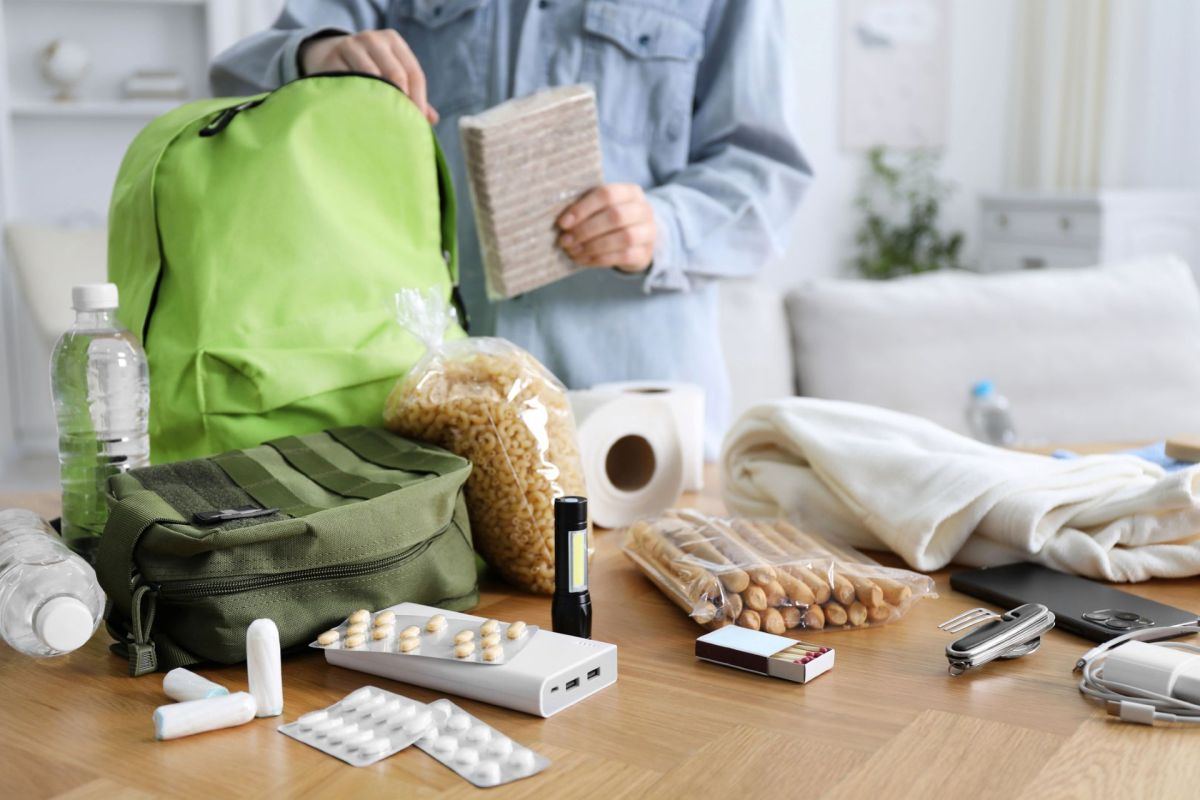
Someone living five miles from a nuclear power plant wanted to know what they should be ready to pack into a truck or sedan if an evacuation might mean sleeping roadside.
Here's what to know
The scenario they described in a Reddit thread was not a short hop to the next town. They said the nearest relatives or friends outside their metro area were 8-12 hours away by car, so getting out of the danger zone could mean driving hundreds of miles and staying elsewhere for several days.
They asked r/preppers which items mattered most beyond cash, prescription medication, and important documents.
Commenters pushed the conversation toward everyday necessities, naming blankets, water, non-perishable food, N95 masks, flashlights, batteries, printed maps, radios, and sleeping bags.
"Basically what we would take for a normal trip," a matter-of-fact reply read.
Because the user's concern centered on the nuclear plant, some recommendations were more specialized. One commenter suggested packing potassium iodide and a Geiger counter, and the original poster replied that they had "already got a few packs of iodide from the local program" but were still looking for a budget Geiger counter.
TCD Picks » Quince Spotlight
💡These best-sellers from Quince deliver affordable, sustainable luxury for all




One theme was pre-packed organization. "In your scenario of needing to camp out for a few days, I would recommend having a tote of essential camp gear at the ready, non-perishable food, and water," a commenter advised. "Traveling with a truck and/or SUV, you probably have plenty of room to take some luxury items. The key is having everything organized to grab and go."
More background
What the thread explored was the logistics of a messy regional evacuation. The immediate concerns would be traffic backups, full hotels, and the possibility of spending a night on the road or at a rest stop.
"If a whole city is getting evacuated, don't count on hotels/motels having any rooms available," one commenter warned. They added that people without nearby friends or family could wind up in evacuation shelters.
Several commenters also pointed out that routine medical and household needs can shape what must go in a vehicle.
Others stressed that a plan should not assume the car will always remain usable. A commenter who keeps an "on foot" contingency bag said, "Heavier packs reduce your speed, up the amount of food and water you'll need to get where you're going, and importantly, a heavy pack increases your risk of an injury that can fubar your whole plan."
What can be done?
One commenter who overlands described a more developed version of the OP's "designated space" setup, saying their supplies stay on shelving behind their truck in the garage and that they can leave in "eight minutes flat." They also said regular practice helps.
The most frequently mentioned gear was basic travel or camping equipment. One commenter recommended getting a carbon monoxide detector for an overnight-in-the-car scenario.
A few mentioned expensive extras, but the most consistent advice was keeping the car fueled, storing key supplies in one place, and planning for both the drive and the possibility of a night without a room.
Where can I learn more?
Practical concerns help shape go-bags, affordable strategies, storm outage kits, and backup power choices for preppers.
• In wildfire-prone areas, a 15-minute go-bag checklist helps keep evacuation essentials ready by the door.
• Across Reddit, seasoned preppers say you don't need thousands of dollars to evacuate well.
• In the prepper community, homeowners share how to prepare for emergencies cheaply.

Get TCD's free newsletters for easy tips, smart advice, and a chance to earn $5,000 toward home upgrades. To see more stories like this one, change your Google preferences here.







