


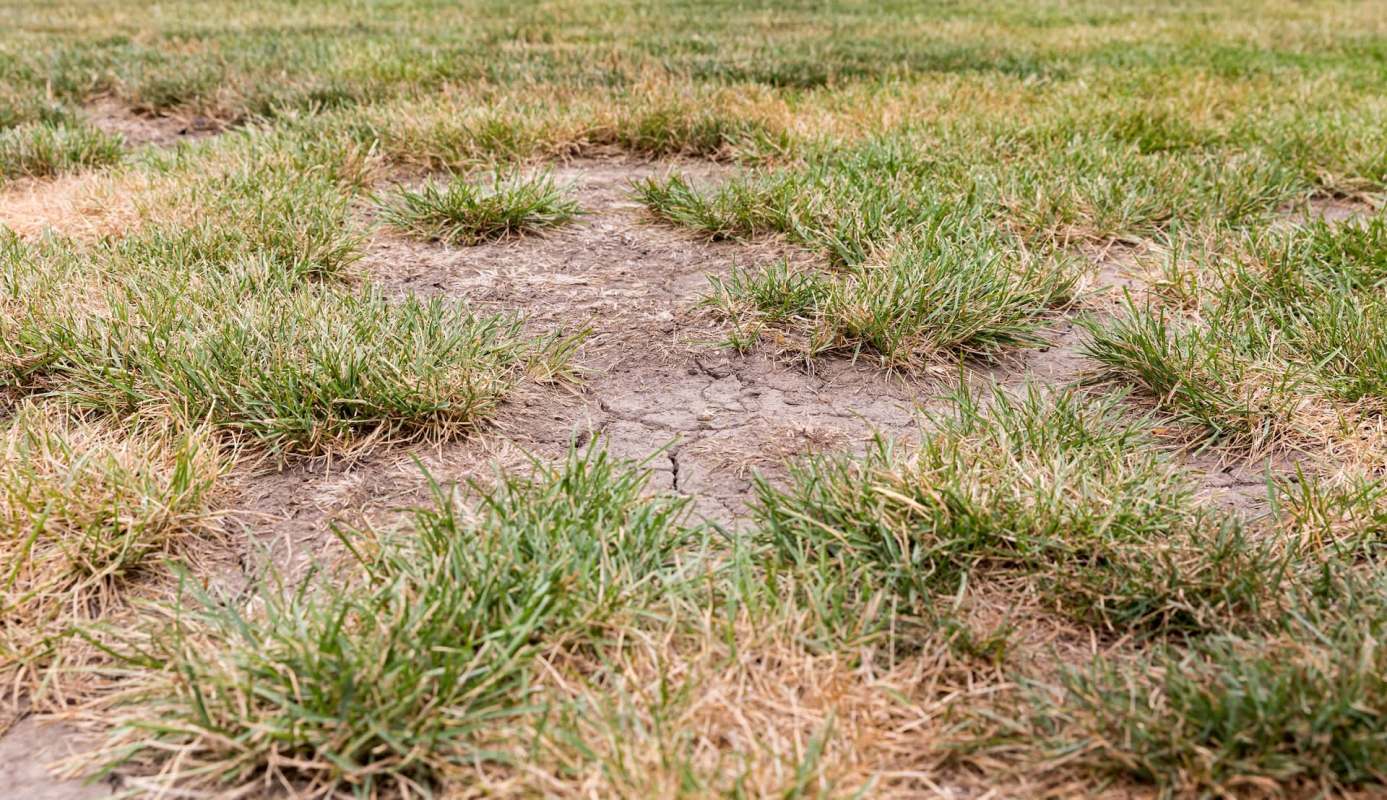
Artisan cheesemaker Fred Faye expected one of his Bayfield pastures to gain several more inches of grass growth by mid-July. When he moved his cows and sheep there in early June, the grass stood about 18 inches tall and seemed on track to reach roughly two feet.
But drought conditions stalled that growth, leaving it barely ankle-high.
Here's what to know
State climatologists say northern Wisconsin is in the largest recorded stretch of "exceptional drought," including parts of Ashland, Bayfield, Douglas, Sawyer, and Iron counties, according to the Milwaukee Journal Sentinel.
As of October 22, the U.S. Drought Monitor classified 4.47% of the state in its most severe D4 category. About half the state also fell somewhere between "exceptional drought" and "abnormally dry," affecting roughly 1 million people.
Amanda Latham, a climate outreach specialist for the Wisconsin State Climatology Office, said the situation is especially notable because southern Wisconsin has been wetter than usual.
"Since the 1950s northern Wisconsin has seen a drying trend through the summer months," she said.
TCD Picks » Quince Spotlight
💡These best-sellers from Quince deliver affordable, sustainable luxury for all




Latham said some northern Wisconsin residents have described corn or soybean crops that failed entirely. Faye, meanwhile, said, "The neighbors reported about 60% normal hay yield on the first crop, but there was no regrowth."
More background
The drought is also changing wildlife behavior across the region.
James Bolen, who operates a resort along the shore of Lake Owen in Bayfield County, said deer, foxes, and coyotes have been passing through his property more often in search of water.
"We see tons of tracks. They come through the resort to get down to the lake for water," he said.
Lake Owen, often called "Wisconsin's healthiest lake" because of its low algae levels, has also dropped dramatically.
Bolen said the lake was roughly 14 to 18 inches below its usual high-water mark, creating shallower pinch points where guests have hit rocks in areas that are typically safe and forcing the resort to replace several propellers.
Low rivers and lakes can disrupt the water sources people and wildlife depend on. Animals pushed closer to homes and resorts can raise safety concerns. At the same time, failed crops, higher hay demand, and damaged equipment can undermine financial stability for farms and tourism businesses alike.
What's being done?
Latham said she has been monitoring the drought using the National Drought Mitigation Center's Condition Monitoring Observer Reports, a citizen-science tool that collects firsthand observations.
Faye has used it as well, submitting a report on October 8 describing brown forage and moisture-related cracks in the ground.
On his own farm, Faye said he cut his herd back to help his pastures recover. He also allowed livestock to graze uncut hay and bought inexpensive hay from other farmers that had gone unused the previous year.
"That's what makes it such an odd situation for me," Faye said. "It turns out by downsizing the herd and increasing my grazing areas, I have just enough."
Livestock producers across the region have started feeding hay earlier than normal, and Latham warned that limited supply, combined with growing demand, could push hay prices sharply higher as more farmers begin looking outside their area for feed.
Bolen said his resort is still attracting visitors, but he remains concerned about what comes next for the lake.
"We've got a lot of water to make up. How long is it going to take for the lake's environment to return back to what we would call traditional?"
Where can I learn more?
Drought is straining farms far beyond northern Wisconsin, with thin forage, failing crops, and low water showing up in similar stories elsewhere.
• At England's Wimpole Estate, drought wiped out 150 tonnes of hay, forcing winter feeding.
• Across Germany, drought and extreme heat have deepened farm losses and financial strain.
• In eastern Montana, portable tanks became essential as D3 drought dried up cattle water.
• Across the United States, heat waves killed cattle, battered crops, and threatened higher grocery bills.
• In England, staple crops grow in drought-risk areas, raising fears of pricier food.

Get TCD's free newsletters for easy tips, smart advice, and a chance to earn $5,000 toward home upgrades. To see more stories like this one, change your Google preferences here.







