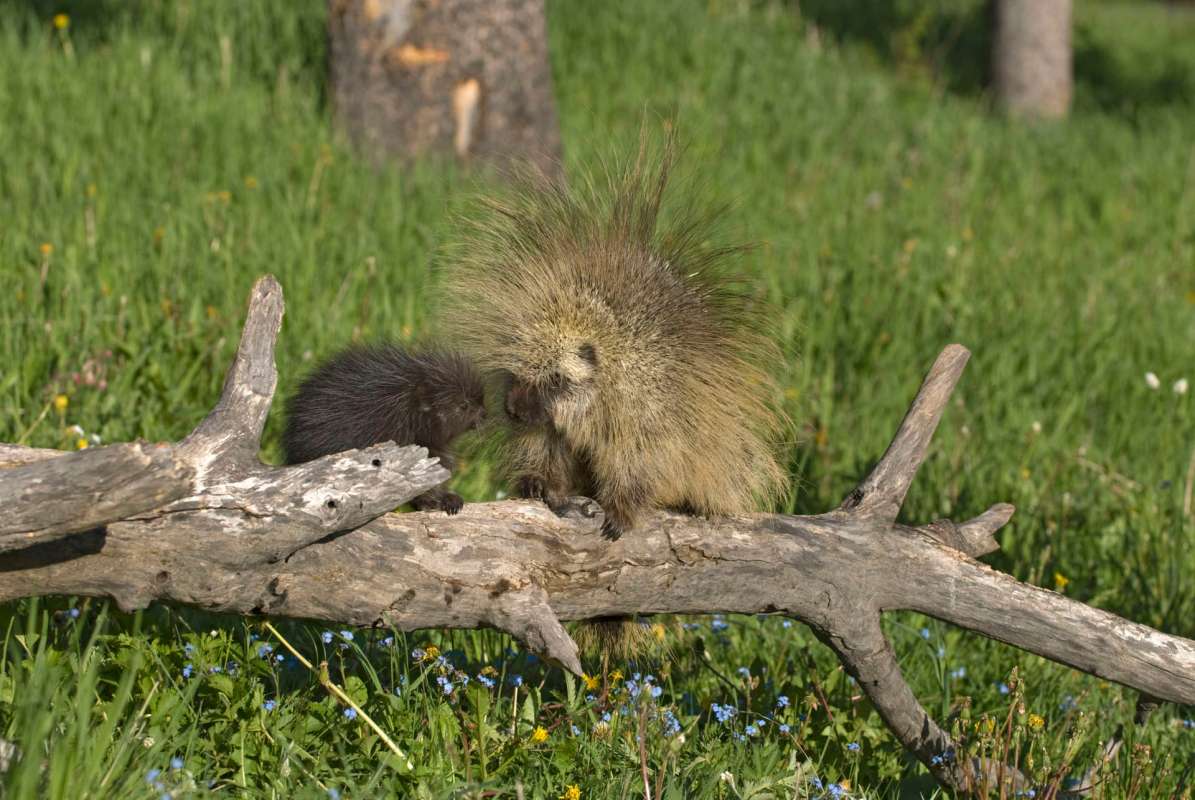
A pair of North Dakota dogs needed emergency medical attention to remove 673 quills after a painful encounter with a porcupine.
Before help arrived, Miss Prickle Pants and Cactus Jackie had spent days with quills embedded in their faces, chests, and legs, leaving them unable to eat or drink properly as infection began to set in, Valley News Live reported.
Here's what to know
An emergency request from Journey Home Animal Rescue led the dogs to Homeward Animal Shelter in Fargo. Shelter staff said the reservation dogs arrived in intense pain and needed urgent medical treatment.
The more serious case was with Miss Prickle Pants. After sedation at CareVet of West Fargo, veterinarians removed a total of 561 quills from her face, chest, and legs. Some were stuck in her joints, many wounds were infected, and additional quills may still surface.
At Minn-Kota Paaws, Cactus Jackie was placed under anesthesia and had 112 quills taken from her face. She was also spayed during the procedure. By then, however, her injuries had already led to early cellulitis, a serious infection beneath the skin.
More background
Porcupines do not shoot their quills, but they can leave them behind when another animal makes contact or provokes them. Dogs are especially vulnerable because they may bark at or chase a porcupine and get struck in the face.
TCD Picks » Quince Spotlight
💡These best-sellers from Quince deliver affordable, sustainable luxury for all




As communities expand, roads spread, and outdoor activity overlaps with wildlife habitat, pets are more likely to come into contact with wild species in stressful situations.
Emergency veterinary care can be costly, rescue transport requires coordination, and shelters may be forced to cover major medical bills to save injured animals.
By the time help arrived, both dogs had been in pain for days.
What can be done?
Both dogs remain under Homeward Animal Shelter's care, and the shelter has asked for donations to help cover treatment costs.
Keeping dogs leashed or securely contained, particularly in areas where wildlife is active, can reduce the chances of a painful encounter. If a dog is struck by quills, waiting it out can make the situation worse, as quills can migrate deeper into tissue and increase the risk of infection.
Veterinary teams can safely remove quills, manage pain, and check for hidden injuries that can be easy to miss at home. The survival of these dogs was made possible with their quick action.
Where can I learn more?
As homes, roads, and recreation push farther into wildlife habitat, risky encounters become more common. The articles below look at that pressure from a few angles, from conflict in harder-hit regions to predators showing up near neighborhoods.
• In expanding communities, researchers warn the potential for conflict in wildlife habitat is growing.
• Across parts of Africa, treacherous encounters with wildlife are straining residents and requiring costly safeguards.
• In Anchorage, trail cameras showed massive predators in yards — sightings that may become more common as neighborhoods expand into wildlife habitat.
The North Dakota rescue looks less like an isolated case and more like part of a wider trend that's becoming increasingly familiar.

Get TCD's free newsletters for easy tips, smart advice, and a chance to earn $5,000 toward home upgrades. To see more stories like this one, change your Google preferences here.