


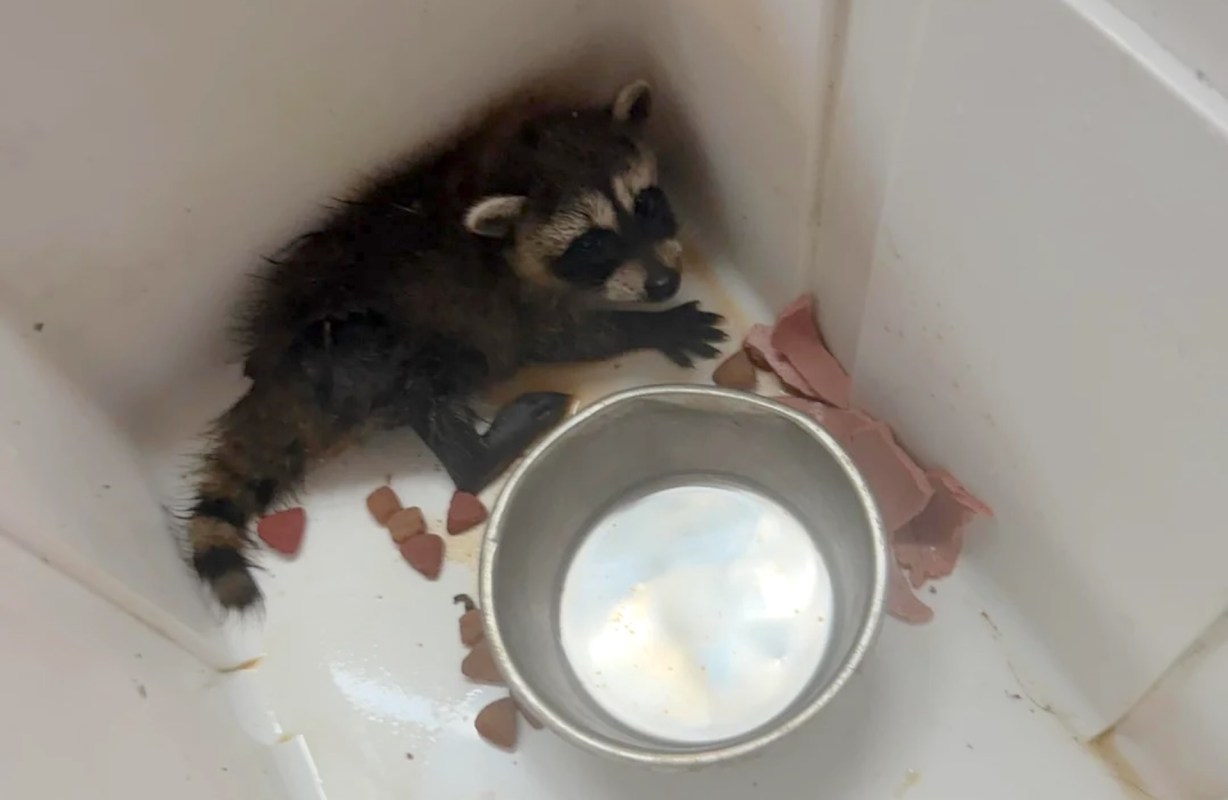
One resident in western North Carolina experienced the "surprise of a lifetime" when his dog returned home with a live baby raccoon in its mouth, setting off what would become a community-backed effort to help the wild animal.
Rather than attempting to raise it at home, the family turned to Reddit's r/WildlifeRehab forum to ask what to do. They quickly received urgent guidance, transportation offers, and referrals to wildlife rehabilitators.
Here's what to know
In the Reddit post, the original poster shared images of the rescued raccoon and wrote, "I have no idea what I'm doing or if I even should be doing this."
The man said he had used heavy gloves to move the small animal into a cleaned cooler lined with a blanket, aiming to keep it warm and safe until a veterinarian or wildlife professional could advise them.
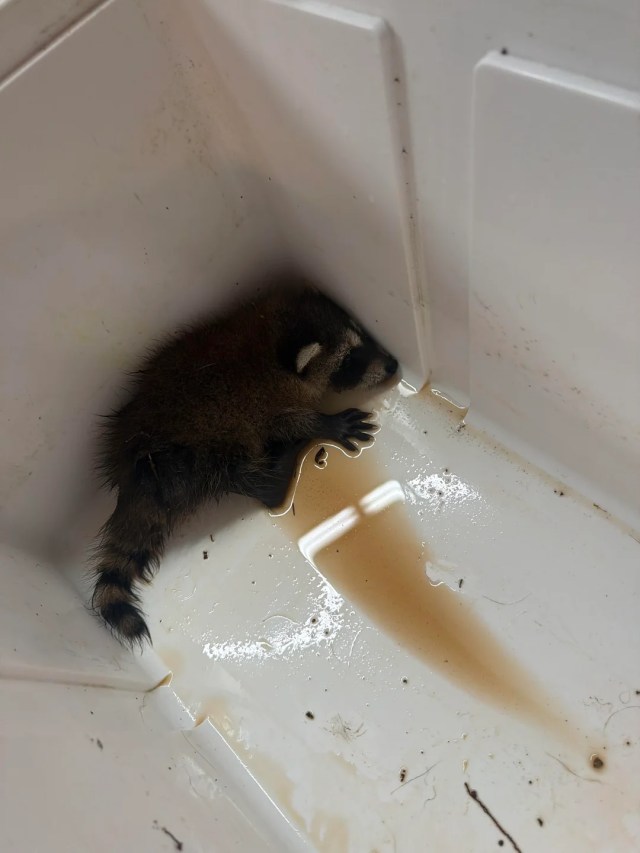
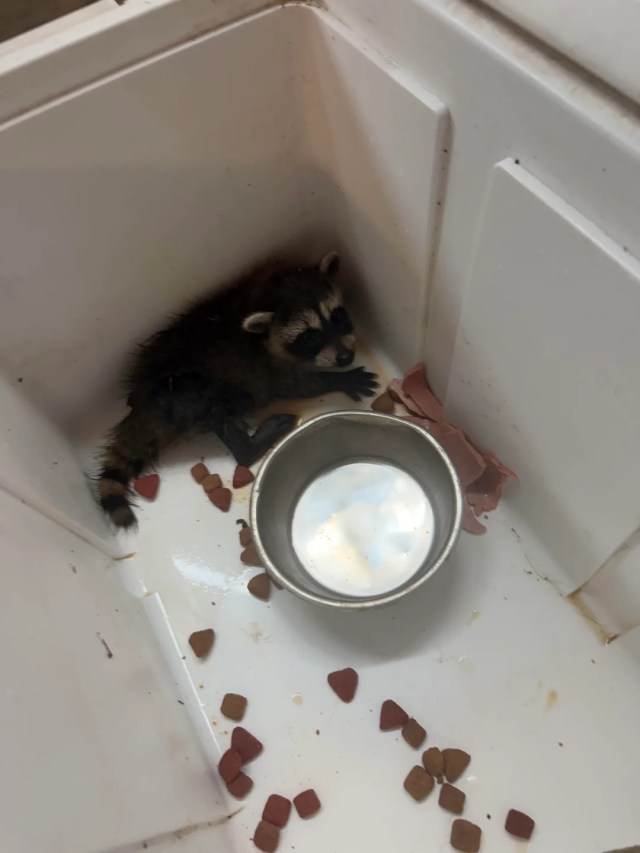
OP added, "I'm gonna call the vet in the AM and see what they recommend, but in the meantime, meet Remmy the ringtale… It's extremely hard not to be over loving with the little guy. … If there's anything I should know, please let me know as I'm just trying to get the little guy a fighting chance on life."
Even though the OP said his wife and children were already attached to Remmy, many replies emphasized that the raccoon should not stay with the family. One commenter wrote, "I highly recommend Appalachian wildlife refuge. Please call the hotline and see if we can get this baby in for help." Others provided more suggestions and advice.
TCD Picks » Quince Spotlight
💡These best-sellers from Quince deliver affordable, sustainable luxury for all




Unfortunately, the OP later updated the thread to say that "We found out that… she has a spinal cord injury, anemia, and a few broken ribs. The decision to put her down has been made and she will be in no more pain, and that's super important to me. I let myself get attached and [that] might have been a mistake given her injuries… She will be greatly missed."
More background
Commenters with experience working with wildlife noted that very young raccoons need specialized care. They warned that an animal this small may need help eating, drinking, and even relieving itself, and that improper food or excessive human contact can worsen an already dangerous situation.
Disease risk was another recurring theme. Several commenters noted that, in that region, rabies-related rules can determine which rehabilitators are legally permitted to provide long-term raccoon care, and one person urged the resident to inform the dog's vet because encounters with wild animals can involve other infectious threats as well.
When someone comes across an injured wild animal, the usual advice is to keep children and pets back, avoid unnecessary handling, and if possible (and safe), place the animal in a warm, quiet, secure container while reaching out to a licensed wildlife rehabilitator or veterinarian.
Where can I learn more?
Other raccoon stories show how fast an ordinary day can turn into a wildlife rescue situation, whether the animal turns up in a storm drain, at a bird feeder, or on a front porch.
Wild animals in distress usually have the best chance of survival when people react carefully and get professionals involved.
• In Connecticut, firefighters found a freezing, mud-caked baby raccoon in a storm drain.
• At one family home, fat raccoons keep stealing birdseed and getting stranded overhead.
• On one porch, raccoon visitors walk right inside during a first close-up encounter.

Get TCD's free newsletters for easy tips, smart advice, and a chance to earn $5,000 toward home upgrades. To see more stories like this one, change your Google preferences here.







