


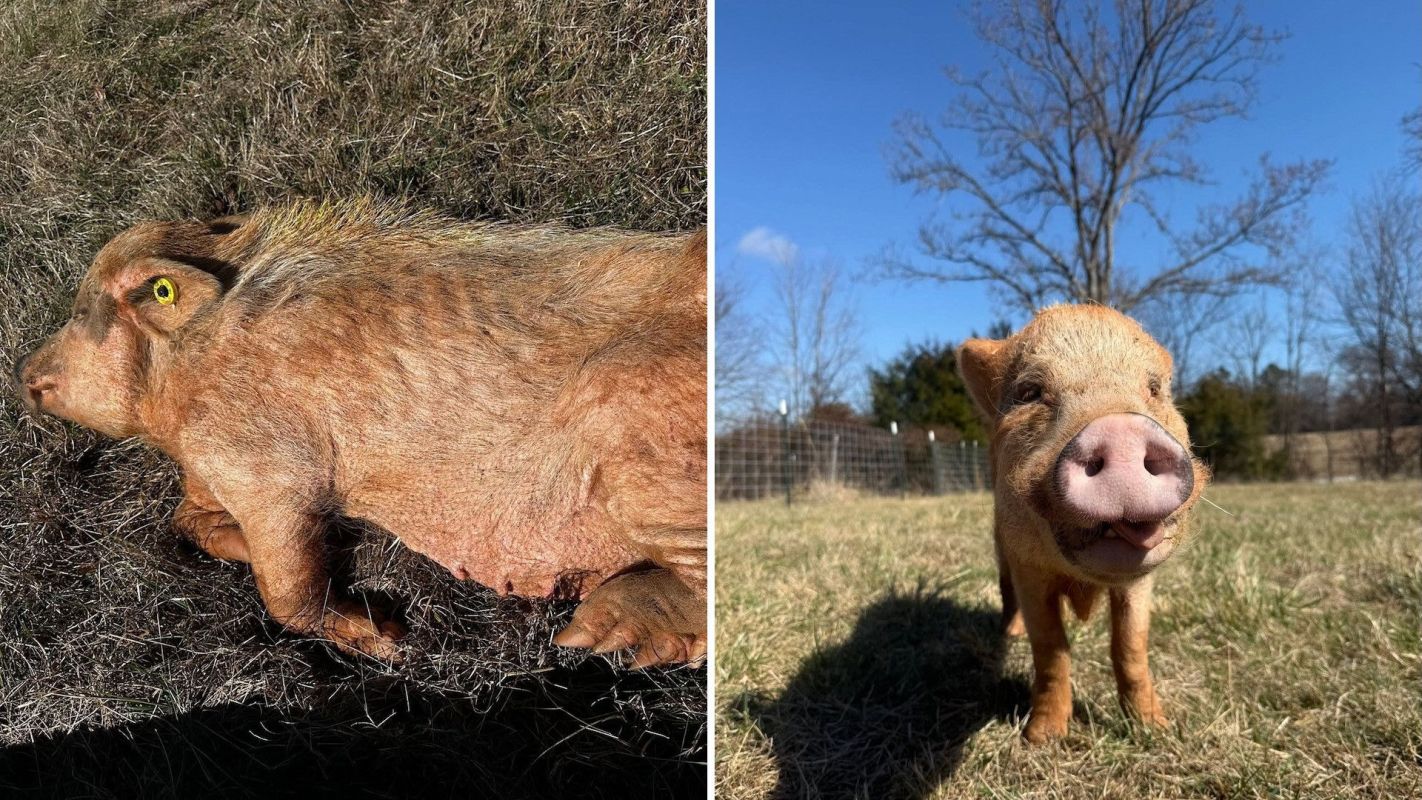
Rescue groups in North Carolina are under growing pressure after a large-scale pig hoarding case left dozens of animals still needing long-term placement, along with the space and money required to care for them, WGHP reported.
According to Jay Yontz of Ziggy's Refuge Farm Sanctuary, roughly 50 pigs remain without permanent homes after his organization accepted 163 of the rescued animals in March.
Here's what to know
More than 150 pigs were removed from a Morganton property after authorities and rescue groups responded to conditions described as unfit for animals.
A Burke County spokesperson also said the residence was not appropriate for people. Ziggy's Refuge Farm Sanctuary took in 163 of the pigs and has cared for them since March.
Yontz said the animals reached the sanctuary in rough shape.
"They were, across the board, in pretty bad condition in a variety of different ways, from being starved to being full of parasites, disease," Yontz recalled.
TCD Picks » Quince Spotlight
💡These best-sellers from Quince deliver affordable, sustainable luxury for all




The pigs have been vetted, dewormed, sterilized, and restored to health, Yontz noted.
He also said the rescue has cost more than $150,000, and about 50 pigs still need homes.
"I've done many, many hoarding cases. This was one of the worst that I've seen with the malnutrition, starvation," said Evan Costner of Cotton Branch Refuge Project in South Carolina.
More background
Animal hoarding cases can overwhelm even experienced rescue groups, but this situation was especially difficult because pigs require far more specialized placement than dogs or cats.
They need appropriate land, shelter, food, and caretakers prepared for their long-term needs.
When large numbers of farm animals need immediate medical attention and safe housing, sanctuaries and foster networks can quickly be pushed beyond capacity.
In a statement, a Burke County spokesperson said the situation had become unmanageable because of the sheer number of animals.
The spokesperson also stated that "the overwhelming majority of the pigs…did not present with conditions that established the elements necessary to support criminal animal cruelty charges."
Even with many of the pigs healthy, the aftermath continues for the groups that stepped in.
For the people running these sanctuaries, the challenge is no longer just the rescue itself — it is sustaining care, covering bills, and preventing another crisis.
What's being done?
The response involved Burke County Animal Services, Ziggy's Refuge Farm Sanctuary, Cotton Branch Refuge Project, and other rescue partners.
Together, the groups removed the pigs from the property and began a long rehabilitation process.
"Myself, my wife, Kristin, and all our staff — we're pushed beyond our limits and have been for quite a while," Yontz admitted.
"It was heartbreaking, but I'm glad that we did have a coalition come together very quickly to get them out of what I would call hell," Costner added.
Where can I learn more?
Similar animal emergencies show how fast hoarding and overcrowding cases can push rescues to the brink. They also underscore how the need for medical care, shelter space, and long-term placement can drag on long after animals are first removed.
• In Pennsylvania, authorities found 50 pigs in squalor inside a rat-infested home.
• In Charlotte, overcrowding pushed one shelter to plead for fosters and adoptions to avoid euthanizing dogs.
• In Oklahoma City, 500 seized animals filled shelters amid adoption appeals.
• In Glen Cove, rescuers said 155 animals were pulled from a home while some cats remained missing.
• In British Columbia, officials urged residents to report escaped feral pigs before populations spread.
Cases like these show how animal neglect and displacement can strain far more than a single property. They help explain why North Carolina's rescued pigs still need so much space, funding, and long-term placement support.

Get TCD's free newsletters for easy tips, smart advice, and a chance to earn $5,000 toward home upgrades. To see more stories like this one, change your Google preferences here.







