


Five no-take marine reserves took effect in Aotearoa New Zealand after more than 10 years of work, marking a significant step in ocean protection and establishing a shared management arrangement between Indigenous leadership and the Department of Conservation.
The July 1, 2026 rollout differs markedly from a previous attempt to create a sanctuary through central government action alone, an effort that later collapsed in disputes over Māori rights.
Here's what to know
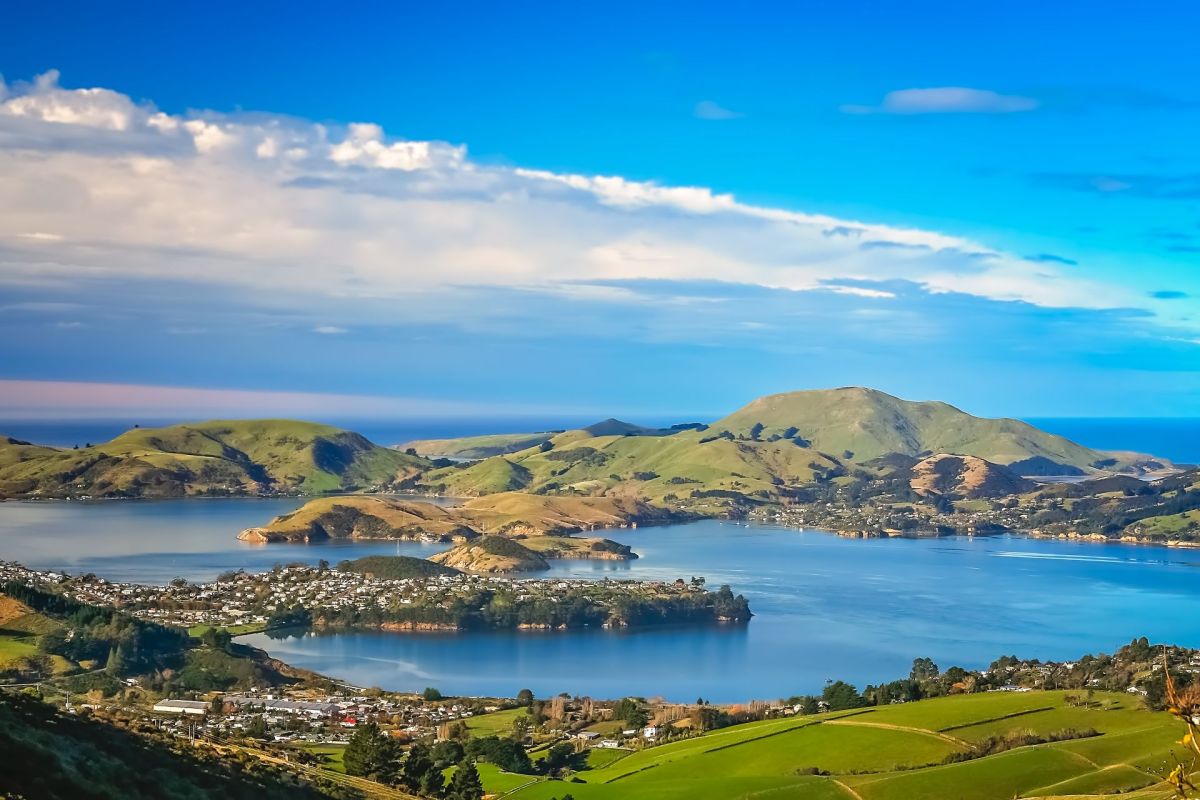
Kelp forests, rocky reefs, tidal lagoons, offshore canyons, and other seabed habitats are among the environments the reserves are meant to protect within Te Au Roa o Te Rakihouia, a planned marine protection network.
As Mongabay reported, these are the first marine reserves in the country with formal joint management by Indigenous people and the government, including shared decision-making and a co-run ranger team.
This outcome comes after the failure of New Zealand's 2015 Kermadec Ocean Sanctuary proposal, a plan for a vast marine protected area in northern waters that opponents said moved ahead without proper Māori consultation and conflicted with fishing rights recognized in earlier agreements.
"This is the only example of its type in the country and … could well be quite a good model going forward," Edward Ellison, a Kāi Tahu leader who is one of the network's six governors, told Mongabay.
TCD Picks » Quince Spotlight
💡These best-sellers from Quince deliver affordable, sustainable luxury for all




Together, the five reserves span 119 square miles, or about 0.01% of New Zealand's waters. According to the Department of Conservation, their addition brings the share of the country's waters that are highly protected to 0.46%, and 20.38% have "some form of protection."
More background
Planning began in 2014 with a forum that included representatives from conservation, tourism, science, and commercial and recreational fishing, along with Kāi Tahu participants.
Ellison said some of the early meetings were held in marae, Māori gathering places, to help others better understand how Kāi Tahu work collectively. "That set a really great base and people felt comfortable and understood," he told Mongabay.
Healthy marine ecosystems can help support fisheries, cultural practices, research, education, and jobs tied to restoration and stewardship. The reserves are too small to dramatically change New Zealand's global protection figures, but the model could still inform future conservation efforts.
What's being done?
These five reserves represent just the opening stage of the wider network. Beyond these first sites, the network is intended to include six marine reserves, five mixed-use Type 2 marine protected areas, and one kelp protection area. One reserve, Te Umukōau, is still pending after a legal challenge from the Otago Rock Lobster Industry Association led to a boundary review in December 2025.
According to Mongabay, the Department of Conservation earmarked about 7 million New Zealand dollars (about $4 million) for the network from 2023 to 2027. That funding is helping support six full-time marine rangers employed through the Kāi Tahu tribal council and working alongside the department.
Brendan Flack, a customary fisheries guardian for the Kāi Tahu hapū Kāti Huirapa, leads that ranger team. Their work includes ecological monitoring, restoration, education, surveillance, and seaweed research — including efforts that could create local income streams.
"The purpose is also to retain memory, location, kōrero associated with these places, and build on that going forward for future generations," Ellison said in an official launch video. "It's a model that helps broker the way forward," Ellison told Mongabay.
Where can I learn more?
Other island communities are expanding marine protection while tying conservation to local stewardship. These stories from Dominica, Hawaiʻi, and Zanzibar show how reserve design, Indigenous leadership, and tourism limits can shape ocean protection beyond New Zealand.
• Dominica has created the world's first sperm whale reserve to protect habitat and store carbon.
• On Oʻahu, Native Hawaiian communities are restoring traditional fishponds to rebuild food security and stewardship.
• Off Zanzibar, residents and conservation groups limited the number of reef visitors to 80.
Marine protection often works best when ecological goals are matched with community authority. That makes them useful parallels as Aotearoa tests a co-managed model with implications beyond these first reserves.

Get TCD's free newsletters for easy tips, smart advice, and a chance to earn $5,000 toward home upgrades. To see more stories like this one, change your Google preferences here.







