


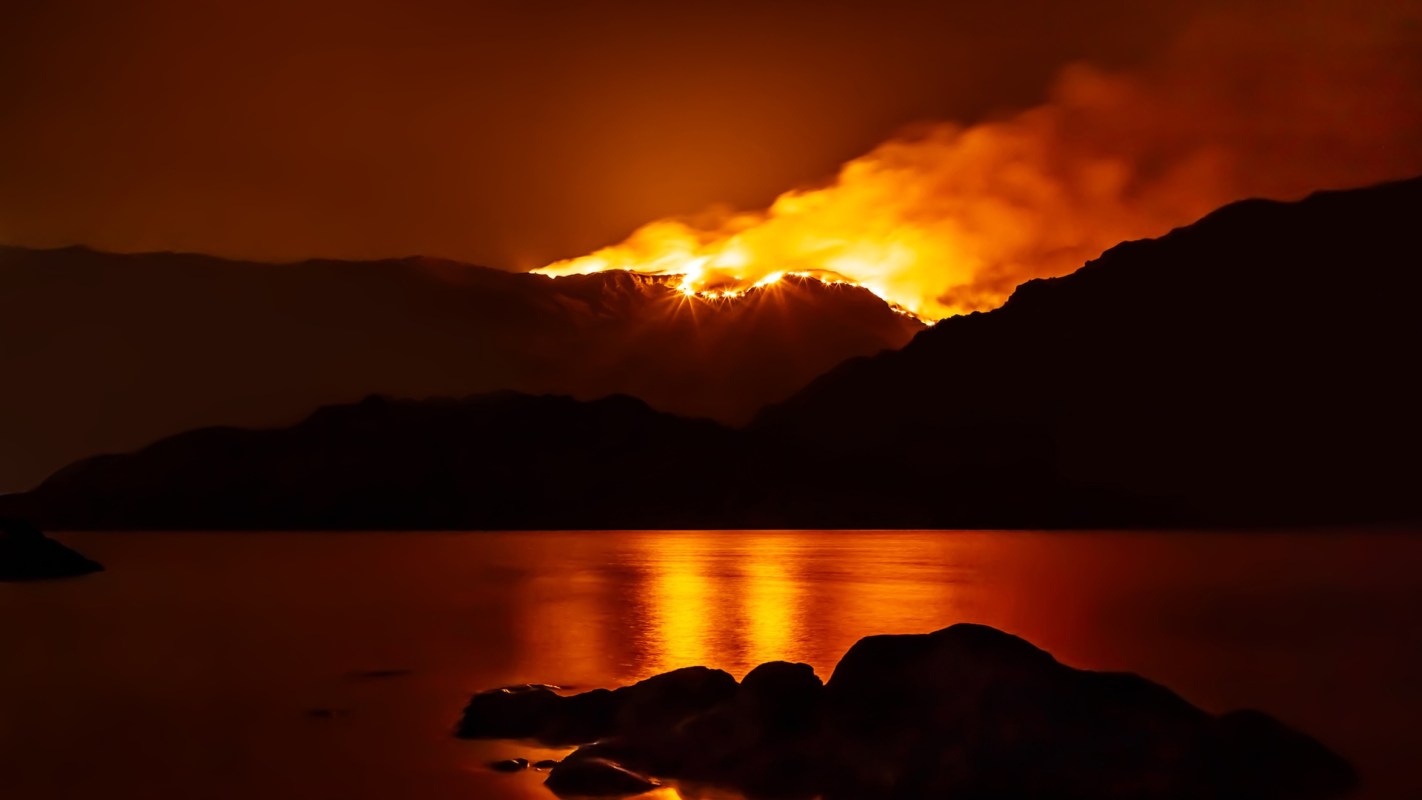
A fast-moving brush fire along Lake Wakatipu's southern shoreline grew to 1,200 hectares, Radio New Zealand reported, with crews warning that weather conditions could push it farther still.
The blaze prompted evacuations and cancellations at Walter Peak.
Here's what to know
Air and ground crews were back at work after firefighters halted operations. Officials said the fire was neither contained nor controlled when crews stood down.
"While overnight conditions were relatively favourable, the fire has continued to grow and is now estimated at approximately 1,200 hectares," Assistant District Commander Nic McQuillan said, per RNZ. "The size is likely to increase if the fire becomes more active due to weather conditions."
McQuillan said protecting the Walter Peak Station homestead and farm stock remained the top priority as crews returned to the area.
Walter Peak tour operator RealNZ said people had been evacuated and experiences canceled.
TCD Picks » Quince Spotlight
💡These best-sellers from Quince deliver affordable, sustainable luxury for all




More background
McQuillan said people on the lake should remain at least 500 meters offshore so helicopters could operate safely, while the harbourmaster and coast guard offices monitored the exclusion zone, RNZ noted.
Smoke was expected to worsen on the lake's opposite shore. Residents affected by smoke were told to keep windows and doors closed and limit exposure.
Officials said the most likely origin was a burn-off that reignited. McQuillan said the approaching El Niño pattern could make the situation tougher, with stronger and more frequent winds expected, according to RNZ.
What's being done?
Firefighters resumed operations with a significant aerial response.
McQuillan said four helicopters equipped with monsoon buckets were cooling hotspots and wetting the perimeter, while another helicopter served as "an aerial platform to direct the air attack," RNZ stated.
Ground crews were also being expanded. There were 11 firefighters, and that number was expected to rise to 25, giving responders more capacity to protect structures and stock at Walter Peak Station.
With wind expected to become a bigger factor, McQuillan said anyone planning a burn-off or other outdoor fire should make sure it was extinguished.
"This burn-off was out, but when the conditions are right, they'll reignite by themselves," McQuillan said. "If you are intending to have a burn-off or you are intending to have an outdoor fire, make sure it is fully extinguished. It's not just a case of let it burn itself out and walk away; put it out, make sure it's wet."
Where can I learn more?
These stories explain weather patterns and fire behavior that can make wildfires tougher to contain.
• Scientists found large wildfires may be creating their own fire weather as they intensify.
• Across several regions, weather conditions that fuel wildfires are becoming more frequent and intense.
• In the Carolinas, officials warned of heightened fire risk after drought and flooding.
• Emergency crews say the pressure is real as wildfire seasons strain response capacity.

Get TCD's free newsletters for easy tips, smart advice, and a chance to earn $5,000 toward home upgrades. To see more stories like this one, change your Google preferences here.







