


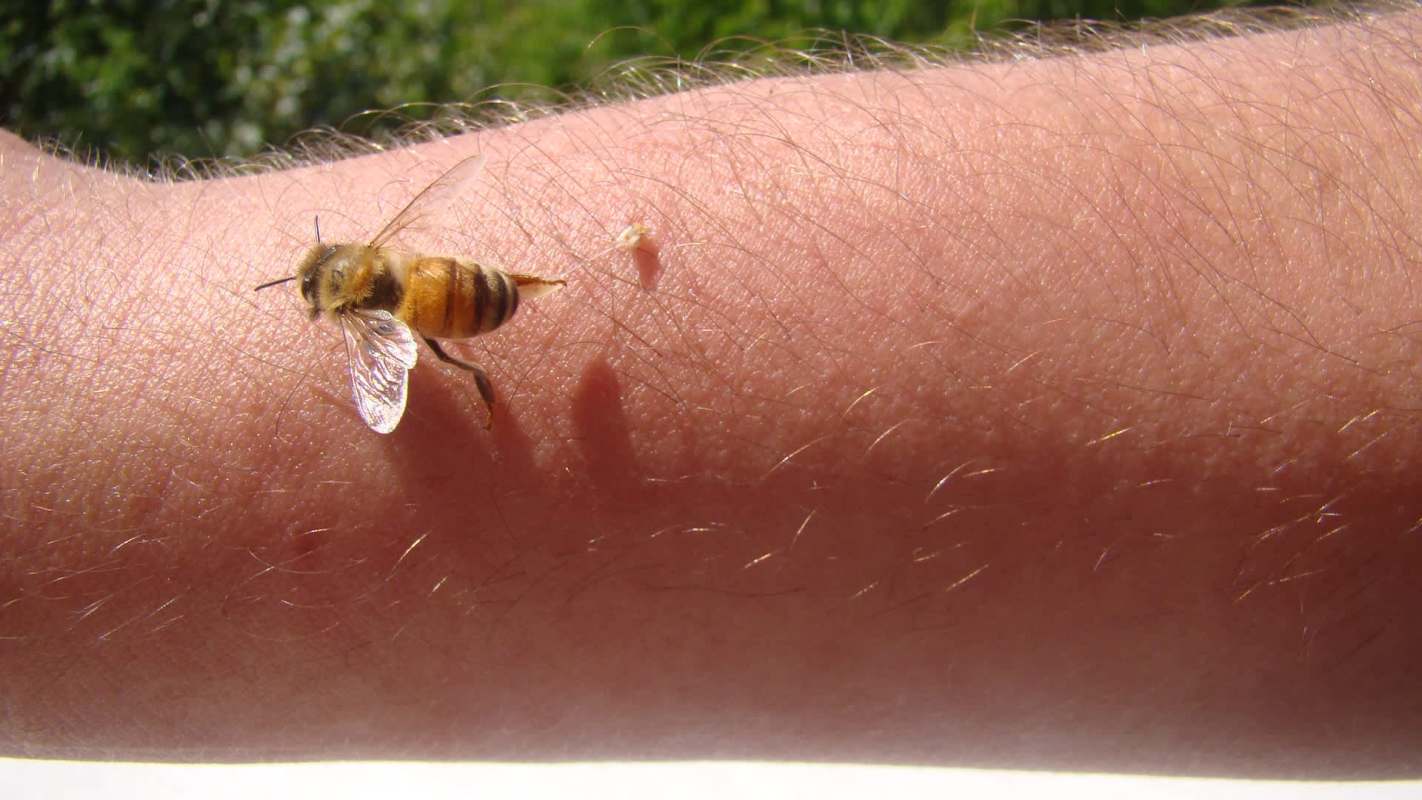
A new beekeeper turned to Reddit after a frightening sting reaction left one leg swollen nearly to the knee and covered in blisters.
"This is my first year raising bees. I am absolutely in love with it," the original poster wrote before asking whether the worsening reaction meant they might have to give up the hobby.
Here's what to know
In a post on Reddit's r/beekeeping forum, the beekeeper said a sting on the ankle produced the most alarming reaction: "It couldn't be any more swollen all the way up to my knee. Blisters are even forming."
They said it was their third sting. Other stings had been easier to manage, with one on the forearm causing only mild redness and swelling, and another on the finger causing somewhat worse swelling.
Fellow beekeepers shared their own experiences.
"My first sting resulted in a little redness, localized swelling, and itching that made me crazy. Subsequent stings have had little or no effect other than … a burning sensation for a few seconds," one commenter said.
TCD Picks » Quince Spotlight
💡These best-sellers from Quince deliver affordable, sustainable luxury for all




Some commenters said their reactions grew milder over time, while others described the opposite, including sudden and serious reactions after relatively routine stings.
More background
For many people, beekeeping starts as a rewarding way to connect with nature, support pollinators, and even harvest honey. But repeated stings can cause unpredictable physical reactions.
Commenters described widely varying experiences.
As one commenter put it, "Everyone reacts different. There is no single answer or reaction."
Another described needing hospital treatment after multiple stings caused sneezing, itching, and throat swelling, despite having previously seen an allergist and testing negative for reactions to stings from multiple bee species.
"My doctor speculated that the large number of stings and my inability to remove the stingers may have led my system to be overwhelmed," they said.
What can be done?
Several commenters said they had spoken with doctors or allergists, and some said they keep prescribed EpiPens nearby while working around their hives.
Protective clothing and equipment also came up as ways to lower risk.
One commenter said they knew beekeepers who use "a full zip-up suit" and keep "emergency epipens prescribed by their doctors," while others encouraged investing in better gear.
Commenters repeatedly said a worsening sting response should be discussed with a licensed professional rather than assessed by fellow hobbyists.
One commenter shared an apt sentiment from their "bee mentor": "You're not allergic to bee stings until you are."
Another wrote, "This is a great hobby, but it is not worth dying for."

Get TCD's free newsletters for easy tips, smart advice, and a chance to earn $5,000 toward home upgrades. To see more stories like this one, change your Google preferences here.







