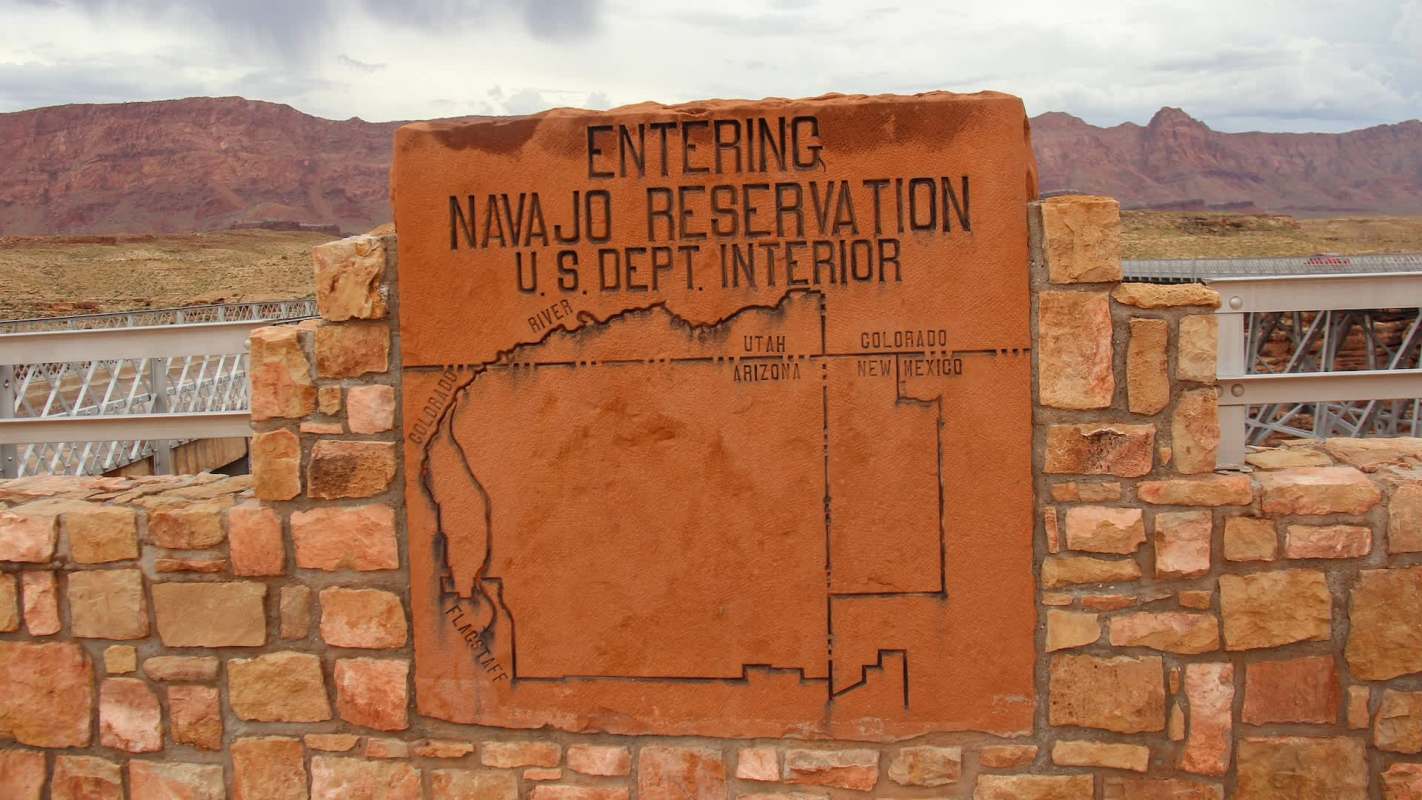
Amid intensifying drought across the reservation, the Navajo Nation declared an emergency, citing mounting stress on water supplies, rangelands, reservoirs, and local economies.
Emergency provisions took effect at once, with tribal leaders saying a quicker, better-coordinated response is needed before conditions worsen further, according to Native News Online.
What happened?
One day after the Commission on Emergency Management unanimously backed the measure, Navajo Nation President Buu Nygren signed it on Wednesday, June 10.
It supersedes Resolution No. CEM 25-005, the 2025 drought emergency declaration, and stays in place unless it is formally rescinded or replaced.
Officials said the prolonged drought has brought less precipitation, strained water systems, lowered reservoir levels, damaged grazing areas, and threatened the economic well-being of Navajo communities.
Commission leaders also referenced related emergency actions taken in Arizona and New Mexico.
TCD Picks » Quince Spotlight
💡These best-sellers from Quince deliver affordable, sustainable luxury for all




They also reviewed U.S. Drought Monitor data showing Arizona had its hottest and driest January-through-March on record in 2026, while extreme drought persisted in parts of Navajo, Apache, and Coconino counties.
"The conditions we are seeing across the Navajo Nation require immediate and coordinated action," said CEM Chairman Marcarlo Roanhorse, per Native News Online.
Why does it matter?
Drought can mean less reliable access to water, more pressure on livestock operations, higher costs for farmers and ranchers, and a growing wildfire risk that threatens homes, roads, and community infrastructure.
Worsening extreme weather disasters endanger lives and livelihoods by increasing heat exposure, drying out landscapes, and straining essential resources.
That can harm public health, weaken community safety, and destabilize local economies that depend on agriculture, grazing, and water availability.
Lower reservoir levels and reduced precipitation directly affect households, while degraded rangelands can make it harder for livestock producers to sustain herds and incomes.
What's being done?
Navajo Nation law authorizes the Commission on Emergency Management, in coordination with the Department of Emergency Management, to organize response efforts with tribal programs and external partners, including federal, state, tribal, local, and private entities.
The declaration recommends that the Division of Natural Resources continue drought-mitigation infrastructure projects, including windmill repairs and improvements to livestock water storage systems.
Commissioners also recommended directing $6,553,730 from the Agricultural Infrastructure Fund toward those efforts and related water infrastructure upgrades.
Local chapters are being urged to activate emergency mitigation plans and coordinate with Administrative Service Centers, the Division of Community Development, the Department of Emergency Management, and other entities to strengthen preparedness and response.
Commissioners also sought updates on the Navajo Nation Hazard Mitigation Plan and revisions to the 2006 Drought Contingency Plan, which Laura Mike said are under review by the Department of Emergency Management and the Department of Justice.
"This declaration is intended to help mobilize resources, support our chapters and livestock producers, and strengthen our drought preparedness efforts before conditions worsen further," Roanhorse said.

Get TCD's free newsletters for easy tips, smart advice, and a chance to earn $5,000 toward home upgrades. To see more stories like this one, change your Google preferences here.