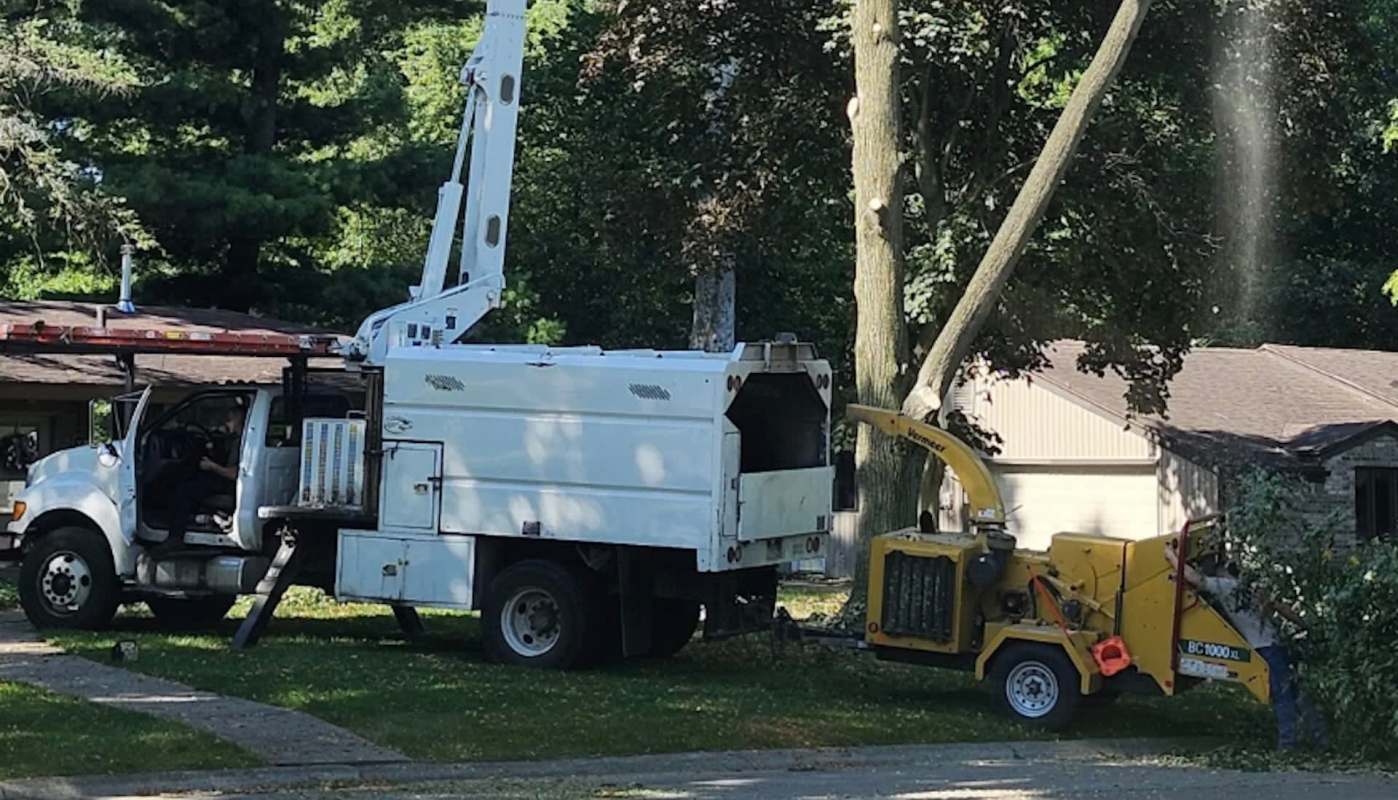
A morning disrupted by chainsaws left one gardener upset and opened a wider discussion about what neighborhoods lose when mature native trees are removed in the name of neatness.
What happened?
On Reddit, one poster shared their grief after seeing a neighbor cut down an American linden, or basswood, describing the decision as an unnecessary loss.
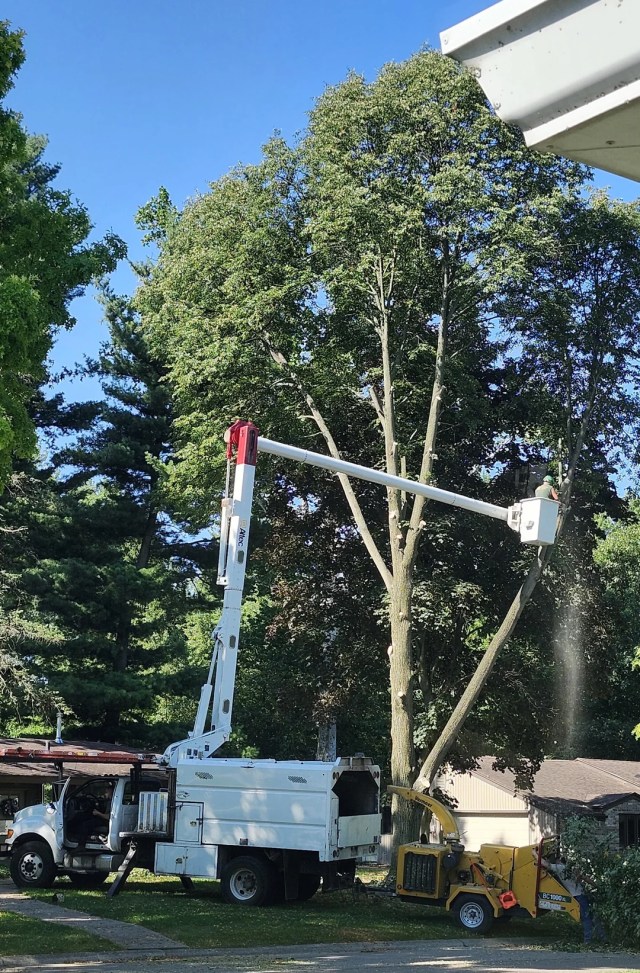
The writer said the tree showed no obvious signs of decline and did not appear to be threatening the house.
"For the past decade I've loved the fragrance of this tree's flowers each spring," they wrote, adding that they found the removal "heartbreaking."
The post, shared in the Native Plant Gardening subreddit, drew responses from people expressing eco-grief and frustration over the removal of a mature native tree.
The poster also noted that taking down the basswood left a Norway maple newly visible behind it — a non-native tree that many gardeners criticize for crowding out other plants.
TCD Picks » Quince Spotlight
💡These best-sellers from Quince deliver affordable, sustainable luxury for all




Several commenters urged caution before judging the homeowner. One commenter noted that "there are many reasons a tree may need to come down beyond an untrained eye saying it looks healthy," while others pointed to hidden rot, storm damage, and even insurance requirements that can force removals.
Why does it matter?
Mature native trees do far more than beautify a street. They provide shade that can reduce cooling costs, support pollinators and birds, store carbon, and help manage stormwater. Losing one can change the feel of an entire yard — and, in some cases, the function of a local ecosystem.
The thread also highlighted a basic divide in how people view landscapes. Some see leaves, seed drop, and shade as signs of a living yard, while others see only a "mess" that should be cleared away.
Suburban yards collectively cover a large amount of land, and landscaping decisions can either support biodiversity or strip it away.
Native-plant lawns and partial lawn replacements are gaining attention. Swapping even part of a conventional turf lawn for native plants, clover, buffalo grass, or xeriscaping can save money and time on mowing and maintenance while lowering water bills. It can also create a habitat that neatly trimmed grass usually does not.
What can I do?
If a tree seems at risk, getting an assessment from a qualified arborist can help clarify whether pruning, treatment, or removal is truly necessary.
Beyond trees, yards can be redesigned to work better for both people and wildlife. Replacing thirsty turf with lower-maintenance native landscaping and embracing pollinator-friendly yards are both ways to cut costs and support local ecosystems.
"I just wanted to commiserate with people who would understand the loss I feel today," the original poster later wrote.
Another commenter, reflecting on their own tree removals after storms and disease, put it simply: "I share your pain."

Get TCD's free newsletters for easy tips, smart advice, and a chance to earn $5,000 toward home upgrades. To see more stories like this one, change your Google preferences here.