


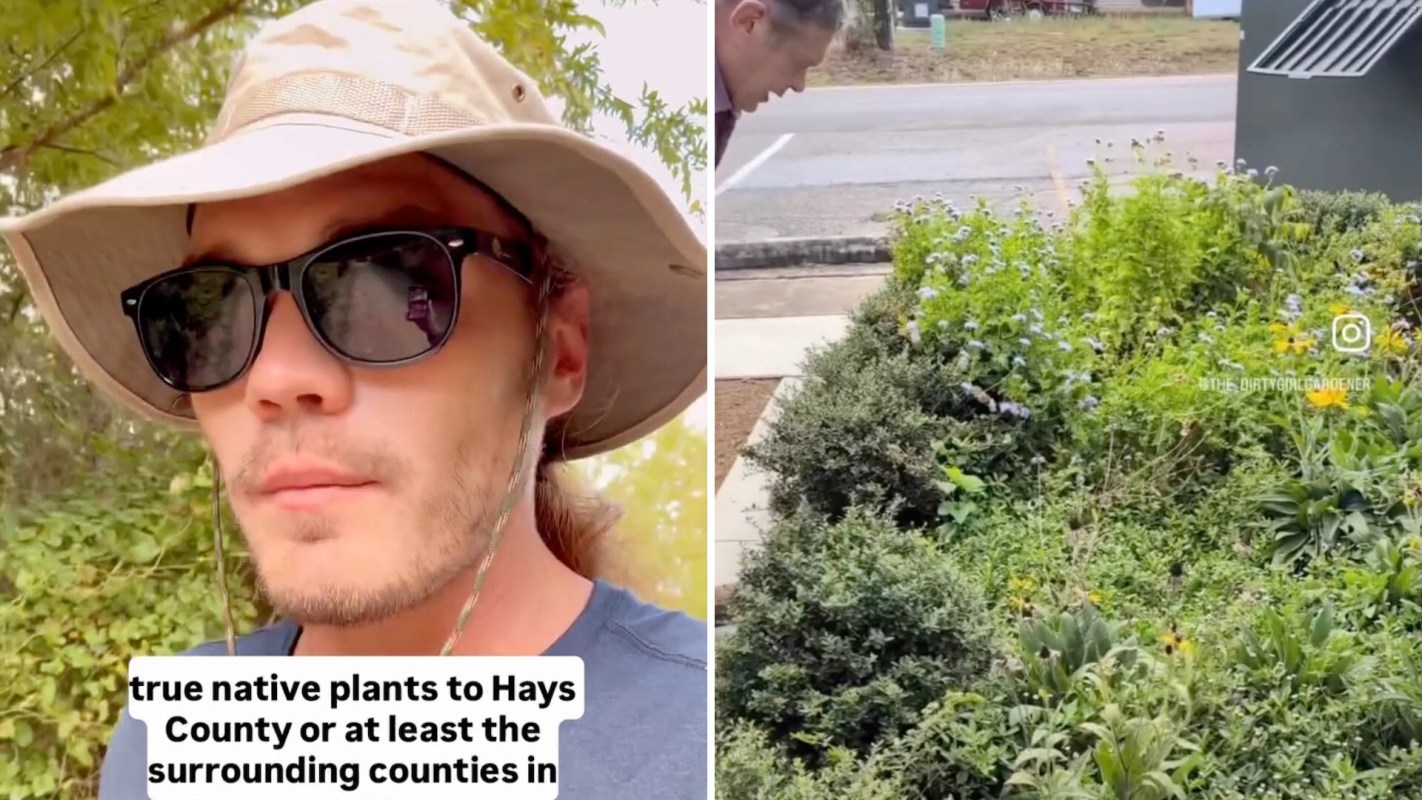
A Texas city is showing what lawn transformation can look like when it happens at a municipal scale instead of one yard at a time.
Glass Root Garden highlighted the work in an Instagram Reel about Kyle, Texas, where conventional turf and invasive plants are being replaced with native landscaping, describing it as "Taking the native plant mission to the municipal level!"
What's happening?
In a post published August 6, Glass Root Garden points to an expansive native-plant project associated with the City of Kyle Conservation team, saying in the caption that the work is happening "on a massive scale.
Turf grass still dominates many public and private landscapes, even though it often requires frequent mowing, watering, and other upkeep. Native planting projects, by contrast, are built around species better adapted to local conditions.
The Reel does not provide a detailed timeline or full planting list, but it depicts a move away from invasive growth and upkeep-heavy turf toward a more resilient landscape model.
Why does it matter?
Native-plant lawns and lawn alternatives can reduce the amount of water, fertilizer, and maintenance needed to keep a yard healthy because they are better suited to local weather and soil conditions.
TCD Picks » Quince Spotlight
💡These best-sellers from Quince deliver affordable, sustainable luxury for all




That can mean lower water bills, fewer weekends spent mowing, and less money spent on lawn care.
These landscapes also tend to do more for pollinators and other wildlife than a traditional monoculture lawn. Replacing even part of a yard can create habitat while shrinking the amount of thirsty turf that needs constant attention.
And native plants are not the only low-maintenance option. Depending on location, homeowners can also consider clover, buffalo grass, or xeriscaping. Even a partial lawn replacement — such as converting a side yard, curb strip, or hard-to-grow patch — can help people save time and money while cutting back on water use.
What's being done?
Because it is happening in a public setting, Kyle's project offers a visible example of how local governments can influence landscaping norms. Replacing turf and invasive plants with native landscapes can ease maintenance demands over time while expanding the public idea of what a healthy, well-kept landscape can look like.
Residents do not need to rip out an entire lawn all at once. Starting small can still bring benefits, especially by targeting the areas that need the most watering or mowing. Native beds, clover patches, buffalo grass, and xeriscaped sections can all reduce upkeep.
If you want to explore your own options, check out the TCD Guide's page on rewilding your yard and its page on upgrading to a natural lawn for more ideas and discussion from other readers.
As Glass Root Garden put it: "We talk a lot about the power of native plants, and right now, the City of Kyle Conservation team is putting that into practice on a massive scale."

Get TCD's free newsletters for easy tips, smart advice, and a chance to earn $5,000 toward home upgrades. To see more stories like this one, change your Google preferences here.







