


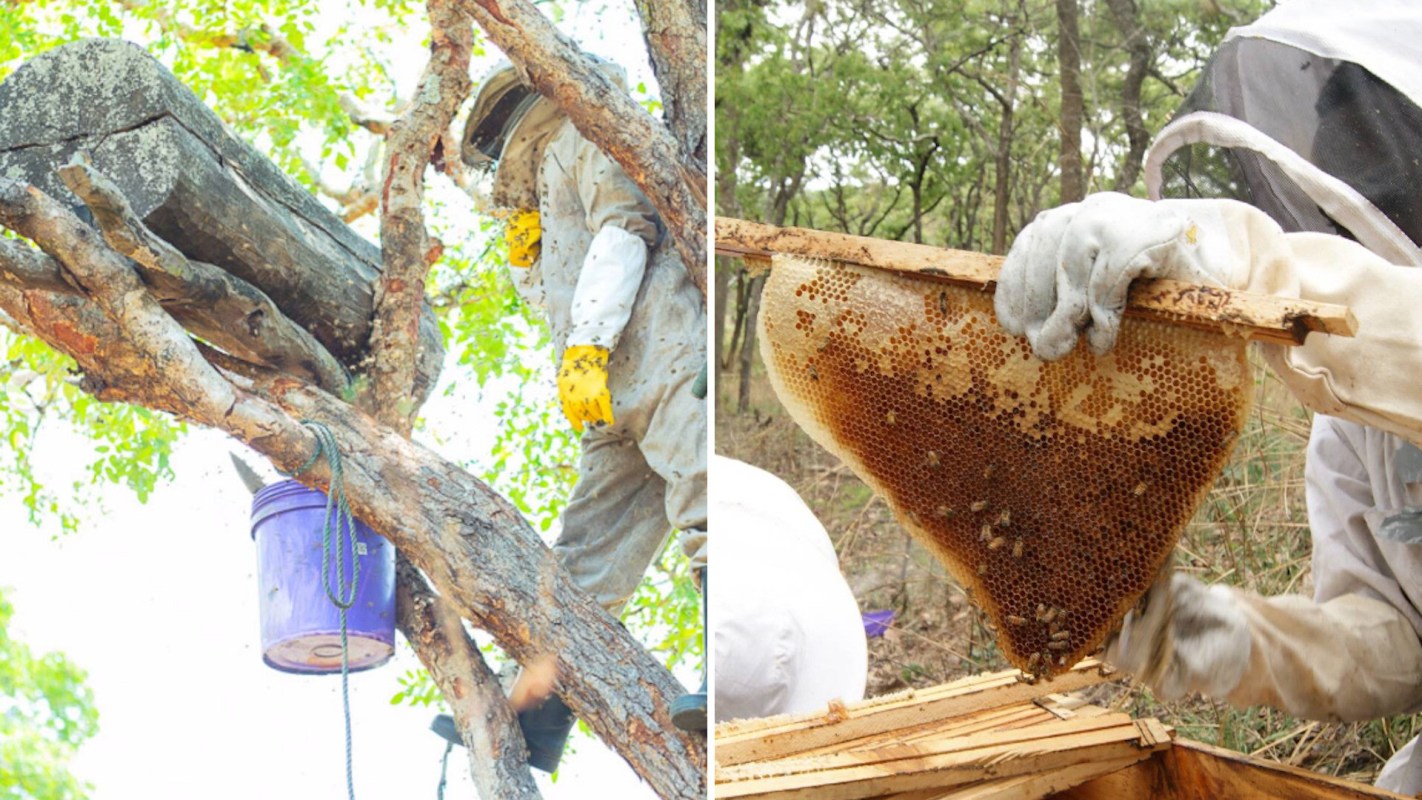
An Instagram carousel shared by the Jane Goodall Institute highlights how native bees in western Tanzania can support both local incomes and the surrounding environment.
"In western Tanzania, native bee populations are doing more than just making honey — they're helping local people and the environment," the caption read.
The slides feature staff training local beekeepers, native bee hives, honey extraction, and finished honey and beeswax products.
The institute linked the beekeeping effort to its wider Tacare model. In the caption, JGI called Tacare a "community-led approach to conservation" that works with local communities on "alternative, sustainable livelihoods that support people without the environmental cost," adding, "Beekeeping is just one example!"
The carousel also depicts local residents being taught sustainable apiculture methods, working with native Tanzanian honeybees, and producing goods they can sell.
JGI connected the project to a broader conservation issue: Economic hardship can lead communities to turn forests and wildlife habitats into farmland or small settlements.
TCD Picks » Quince Spotlight
💡These best-sellers from Quince deliver affordable, sustainable luxury for all




The organization stated, "Many challenges to conservation, including development of wildlife habitats for agriculture and small settlements, are an indirect result of social issues like poverty."
In JGI's framing, the program creates a livelihood path that does not force a tradeoff between income and environmental protection. The institute said its Tanzania staff "provide materials and train local people on sustainable apiculture practices," helping participants produce and sell honey and beeswax.
JGI said the approach uses native bees that "don't disrupt the ecosystem" and includes practices that "prioritize the health and wellbeing of the bees for a thriving hive." That allows income generation without relying on methods that damage local biodiversity.

Get TCD's free newsletters for easy tips, smart advice, and a chance to earn $5,000 toward home upgrades. To see more stories like this one, change your Google preferences here.







