


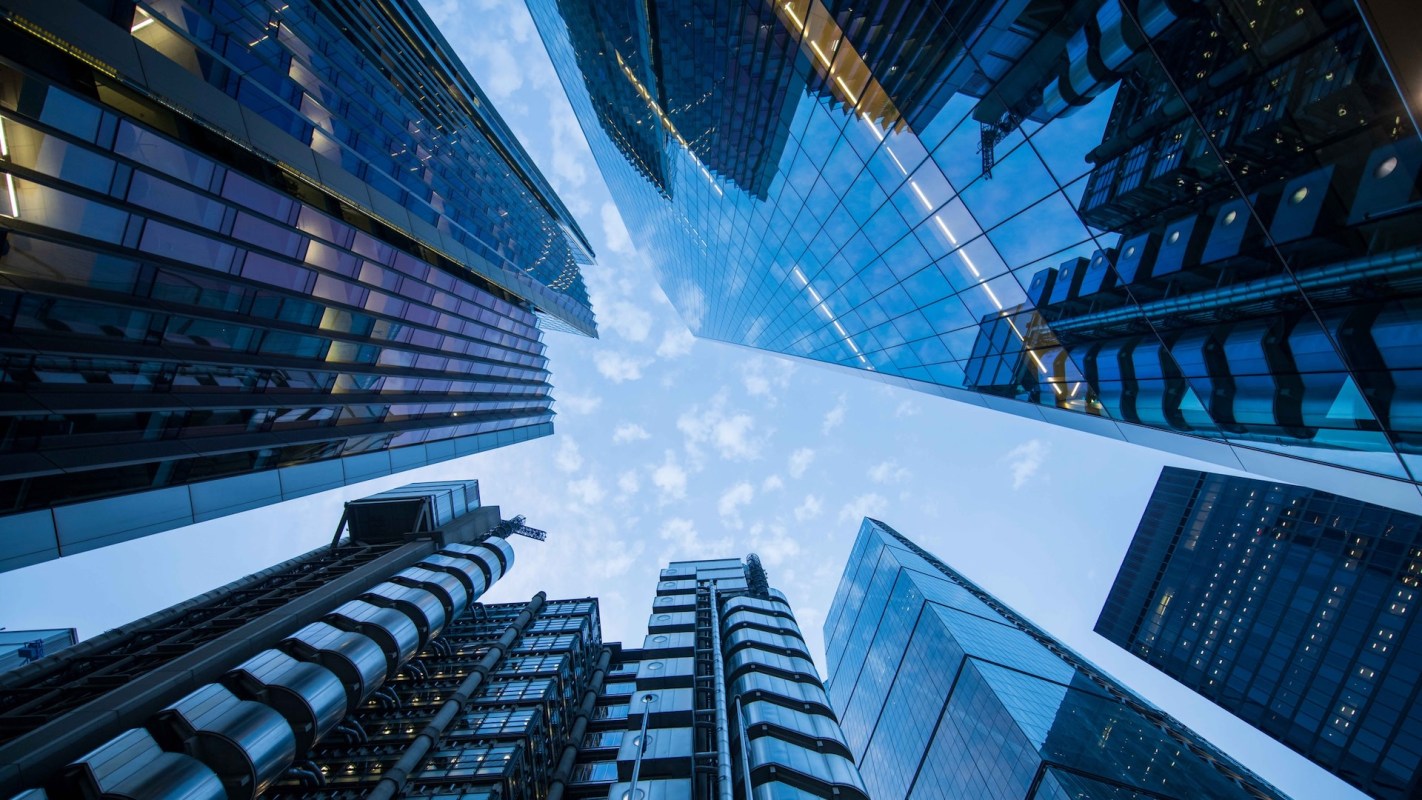
A study by Nottingham Trent University (NTU) concluded that narrow streets flanked by tall buildings in cities may be trapping pollution, leading to poor air quality.
"London's iconic streets may be beautiful," said Professor Amin Al-Habaibeh, who oversaw the study. "But invisible smog traps which prevent pollution from dispersing may be silently harming public health."
What's happening?
Researchers did walking surveys in the streets of London and found that, in general, the narrower the street and the more traffic congestion, the higher the concentration of particulate matter.
Dangerously high spikes were found in streets narrower than 20 meters (about 65 feet). Wider streets recorded lower pollution levels.
The study focused primarily on PM 10 and PM 2.5, which scientists have confirmed are causes of respiratory and cardiovascular diseases. They are classified by the World Health Organization as carcinogens.
Why is this study important?
As a result of the NTU study, researchers concluded that tall buildings flanking narrow streets may be inhibiting air circulation, creating what they called "urban canyons." Vehicle emissions and local activities that contribute to air pollution accumulate, become trapped, and do not easily disperse.
TCD Picks » Quince Spotlight
💡These best-sellers from Quince deliver affordable, sustainable luxury for all




Pedestrians and cyclists are particularly vulnerable due to increased exposure.
Though this is not good news, knowing this can allow London — and cities around the world — to find strategies to combat the pollution and improve air quality in order to improve human health.
Future city planners can also take this information into account and will have the opportunity to design with preventative measures in mind.
What's being done to combat this air pollution?
The study recommended several ways to combat the pollution on London's narrow streets.
|
Do you worry about the quality of the air inside your home?
Click your choice to see results and speak your mind. |
 Yes — often 😬
 One idea is to install vertical green walls and plant more trees in the streets to capture more particulate matter. Trees and plants naturally absorb carbon dioxide, helping to improve air quality.
The expansion of AI-driven traffic management was suggested in order to smooth traffic flow and reduce idling, as the study suggested that more consistent traffic flow and fewer idling vehicles would help improve airflow. Ph.D. researcher Nikhil Ravindra of NTU said that AI traffic-control systems could reduce carbon pollution by up to 40% per vehicle, annually.
Promoting active travel, such as walking and cycling, by creating green mobility corridors was suggested as a way to reduce the number of vehicles on the road.
The study also recommended stricter regulations on wood-burning stoves and non-electric vehicles on the narrowest of roads that are most at risk for trapped air pollution.
Ravindra summarized the findings, stating: "Our data show that the volume of traffic, road layout, building height, and wind direction all play a role in air quality. A greener and smarter approach is urgently needed."

Join our free newsletter for good news and useful tips, and don't miss this cool list of easy ways to help yourself while helping the planet.







