


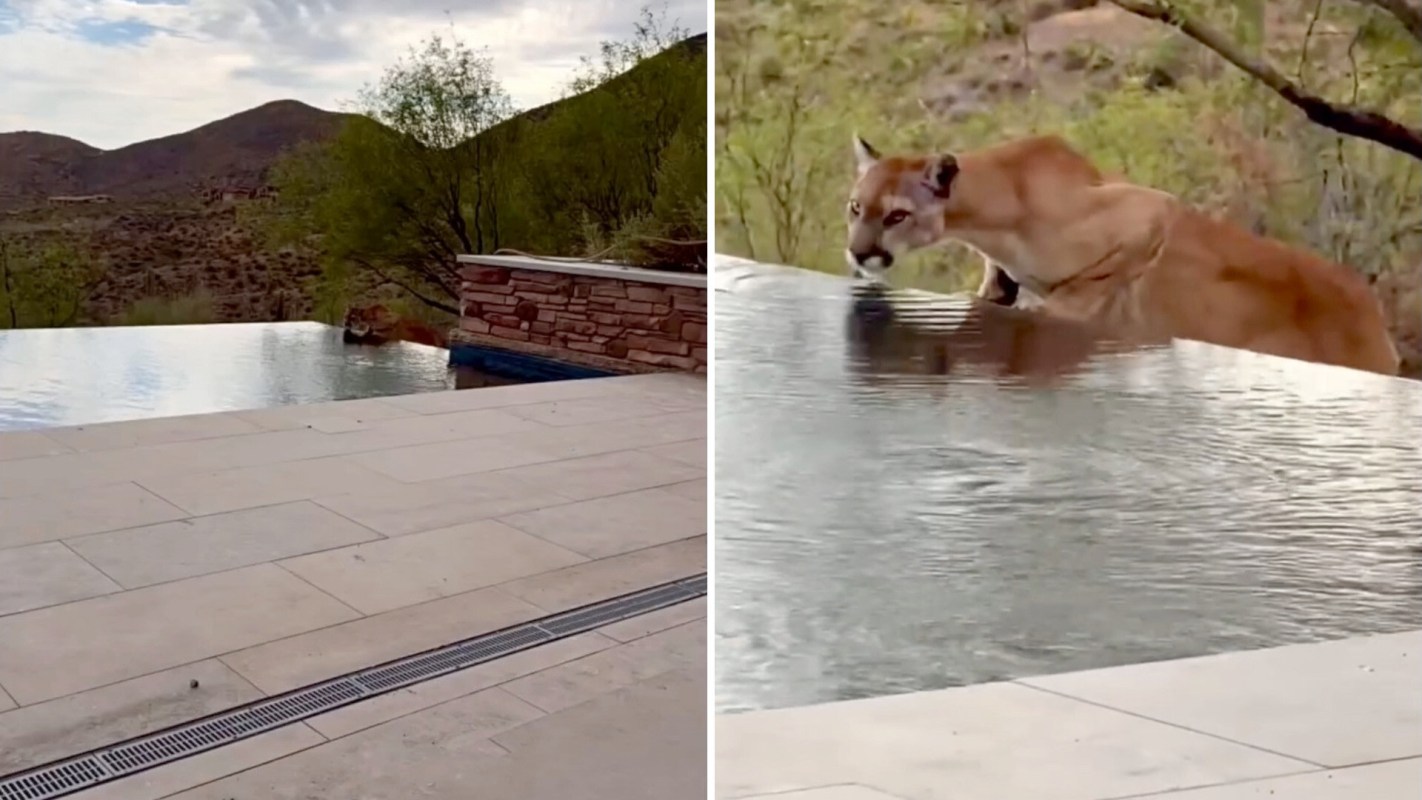
A mountain lion stopping by an Arizona pool might sound like the setup to a joke, but one homeowner's video offers a striking glimpse of what extreme heat and expanding development can mean for wildlife.
In Scottsdale, a big cat came into view for a simple reason: it needed water badly enough to ignore the usual instinct to stay out of sight.
What happened?
Video shared by McCully Construction showed a mountain lion at a Scottsdale job site using a backyard pool as a place to drink, Outdoors.com reported.
The desert heat appeared to be driving its search for water.
The footage was captured at a construction site, where a pool had already become an appealing water source for an animal moving through a neighborhood built in or near its natural habitat.
While the encounter was unusual, it was not entirely unexpected. Scottsdale borders terrain where wildlife still roams. When temperatures climb, animals may move closer to people in search of water and shade.
TCD Picks » Quince Spotlight
💡These best-sellers from Quince deliver affordable, sustainable luxury for all




Why does it matter?
The encounter highlights the pressures that can drive wildlife into human spaces.
As cities continue to spread outward, homes, roads, and construction sites increasingly overlap with habitat that animals once used with far less disruption.
Heat is another major part of the story. In the Southwest, intense summer temperatures can dry up natural water sources and push animals to take risks they might otherwise avoid. Backyard pools, irrigation systems, and artificial ponds can become lifelines.
Close encounters can turn dangerous if an animal feels cornered, startled, or unable to escape. But many of these moments are not necessarily signs of aggression so much as signs of stress, thirst, and shrinking room to move.
What can I do?
If you live or work near desert habitat, the safest response is to give wildlife space.
Never approach a mountain lion, and bring children and pets indoors if one is nearby. If possible, allow the animal to leave on its own without blocking its escape route.
Property owners can also help reduce the chances of risky encounters by securing trash, avoiding outdoor food sources that attract prey animals, and staying alert around pools, patios, and landscaped areas, especially at dawn and dusk. On active job sites, crews may also want to factor wildlife awareness into safety planning during the hottest months.
If an animal appears injured, trapped, or unwilling to leave, local wildlife officials should be contacted rather than trying to intervene directly.

Get TCD's free newsletters for easy tips, smart advice, and a chance to earn $5,000 toward home upgrades. To see more stories like this one, change your Google preferences here.







