


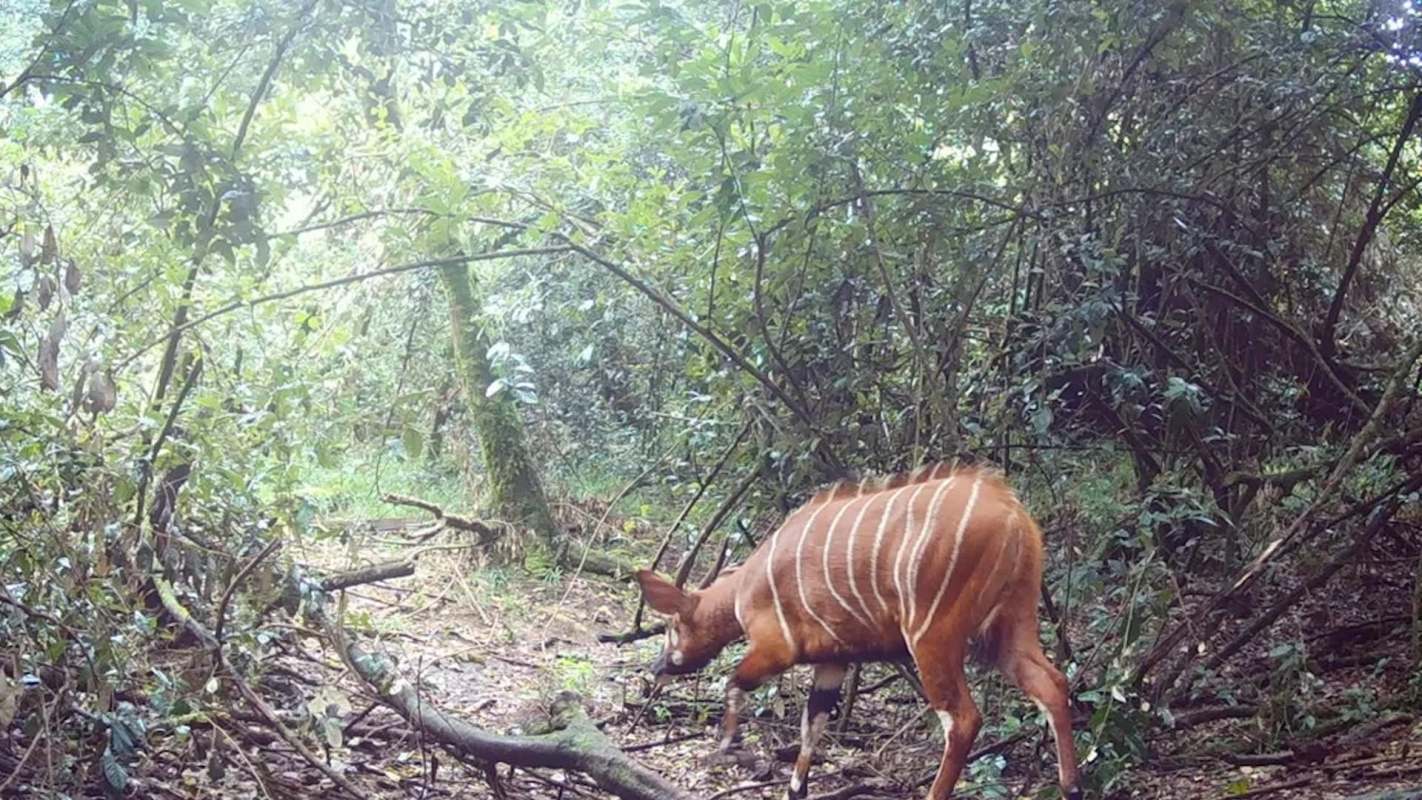
After years without documentation in a Kenyan forest, trail cameras have now recorded three critically endangered mountain bongos, an encouraging development.
Smithsonian Magazine reports that the photos were taken in a remnant section of the Maasai Mau forest, about 125 miles from the species' main wild population in the Aberdares.
What happened?
Often called the "ghost of the forest" because it is so rarely seen, the mountain bongo is a chestnut-colored antelope with large ears and bold white stripes.
About 700 mountain bongos live in zoos and sanctuaries worldwide, while fewer than 100 are believed to remain in the wild.
Working from the possibility that surviving bongos were still moving through parts of Maasai Mau, rangers with the Mountain Bongo Project and their conservation partners set up trail cameras there.
The results were only seen after teams returned from the remote, rugged sites and checked the stored images.
TCD Picks » Quince Spotlight
💡These best-sellers from Quince deliver affordable, sustainable luxury for all




"The excitement in camp was unbelievable when we first looked through the photos," Oscar Dyer, director of operations at the Mountain Bongo Project, said in a statement. "Seeing a bongo here again is incredibly exciting — and it reinforces our determination to continue searching, protecting this forest, and finding evidence of more bongos."
Why does it matter?
The images indicate that mountain bongos may still be hanging on in places where some conservationists feared they had disappeared. That evidence could strengthen efforts to protect one of Africa's most endangered mammals and the forests it relies on.
Preventing illegal logging and habitat destruction can help preserve ecosystems that support biodiversity, local livelihoods, and the health of the land.
The new photos also add urgency because Maasai Mau lacks the same level of formal protection as the Aberdares, conservationists say.
The find may also help shape future recovery work. Conservationists in Kenya, the U.S., and Europe have been breeding bongos in human care to bolster wild populations over time.
Each verified sighting also gives experts another data point for assessing whether those conservation strategies are making an impact.
What are people saying?
Chris McGovern, an animal care specialist at the Denver Zoo Conservation Alliance, said the images "provide direct evidence that these extremely rare antelopes are surviving in places where conservationists feared they had once disappeared."
For such an uncommon animal, he added, "Every confirmed sighting is valuable."
Chester Zoo echoed that concern in an Instagram comment, writing that "the best chance for bongos is to highlight the need to protect the forests where they're found, before these habitats disappear."

Get TCD's free newsletters for easy tips, smart advice, and a chance to earn $5,000 toward home upgrades. To see more stories like this one, change your Google preferences here.







