


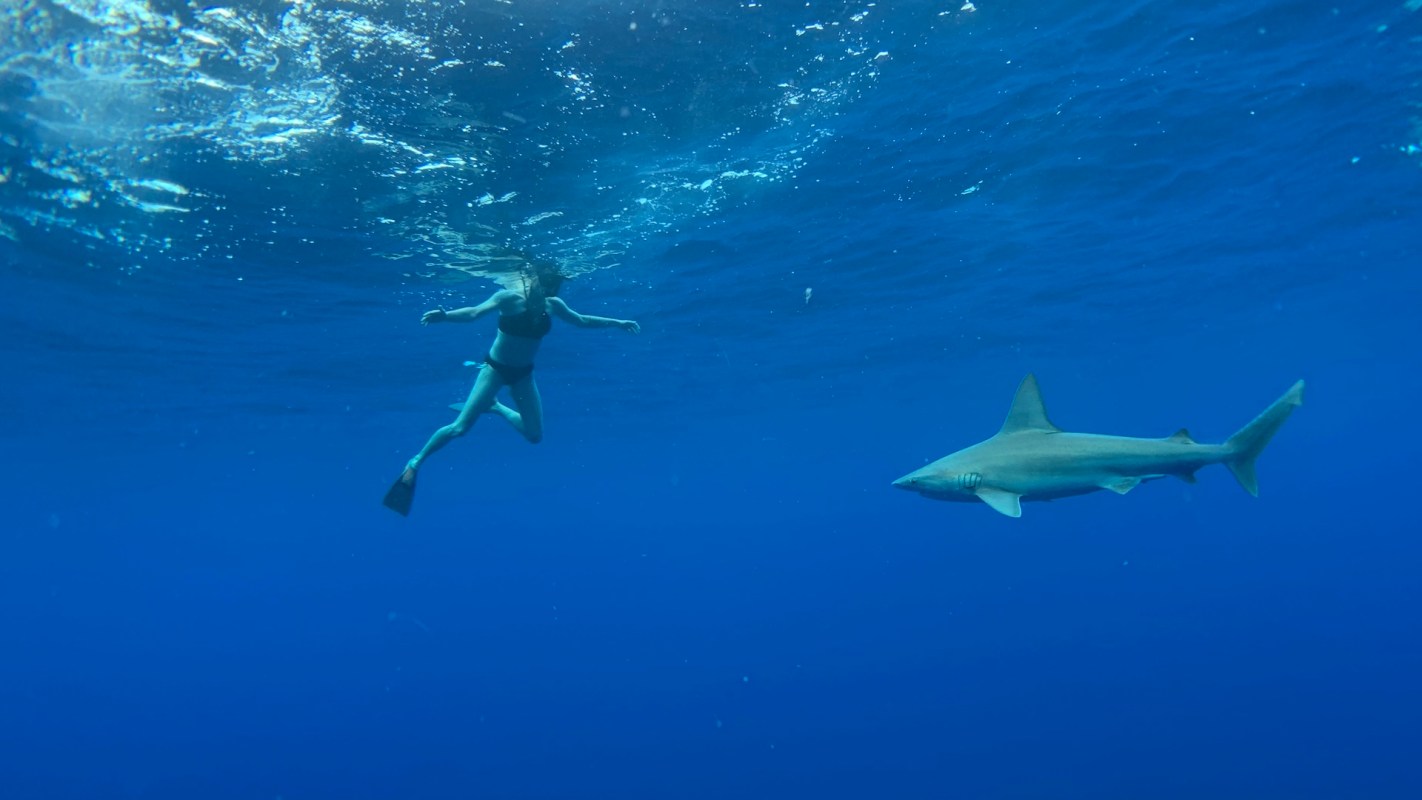
Leah Stewart, a 34-year-old Australian mother, has shared the thought that kept her alive during a shark attack that ultimately cost her an arm — getting back to her toddler daughter.
Her account adds another layer of heartbreak to a recovery story that has also renewed attention on beach safety, emergency response, and the risks that come with humans and wildlife sharing the same waters.
Here's what to know
Doctors later amputated Stewart's left arm after she was seriously injured in the June 13 shark attack during a morning swim at Coogee Beach in Sydney, Australia.
According to Need To Know, the primary school teacher suffered bites to her arms and legs, broken bones, severe cuts, and massive blood loss. She had been swimming between the flags, the safe swimming zone marked on beaches. Her 18-month-old daughter, August, was on the sand with friends when the attack happened. Stewart has said that thoughts of her child drove the split-second choices she made to survive.
Stewart was eventually pulled from the water by Charlie Verco, a championship paddleboarder and off-duty surf lifeguard, before beachgoers and emergency crews worked to stop the bleeding, per Need To Know.
The outlet also reported that she spent 12 days in intensive care, was placed on life support, and underwent several surgeries after debris got into her wounds, raising concerns about infection.
TCD Picks » Quince Spotlight
💡These best-sellers from Quince deliver affordable, sustainable luxury for all




One of the hardest moments in Stewart's recovery was seeing August again for the first time after the attack. She now faces a long road back to daily life as a mother while also recovering from serious tendon and nerve damage as well as the loss of her arm.
Meanwhile, a fundraiser created to support Stewart through recovery has now raised more than $393,000.
What's being done?
Authorities have since expanded shark-spotting drone coverage along the New South Wales coastline after the attack. Since July 1, the drones have been used at 70 beaches, covering every Sydney beach from Palm Beach to Cronulla, per Need To Know.
This monitoring is intended to reduce risk while still allowing people to use beaches that are central to daily life and local culture.

Get TCD's free newsletters for easy tips, smart advice, and a chance to earn $5,000 toward home upgrades. To see more stories like this one, change your Google preferences here.







