


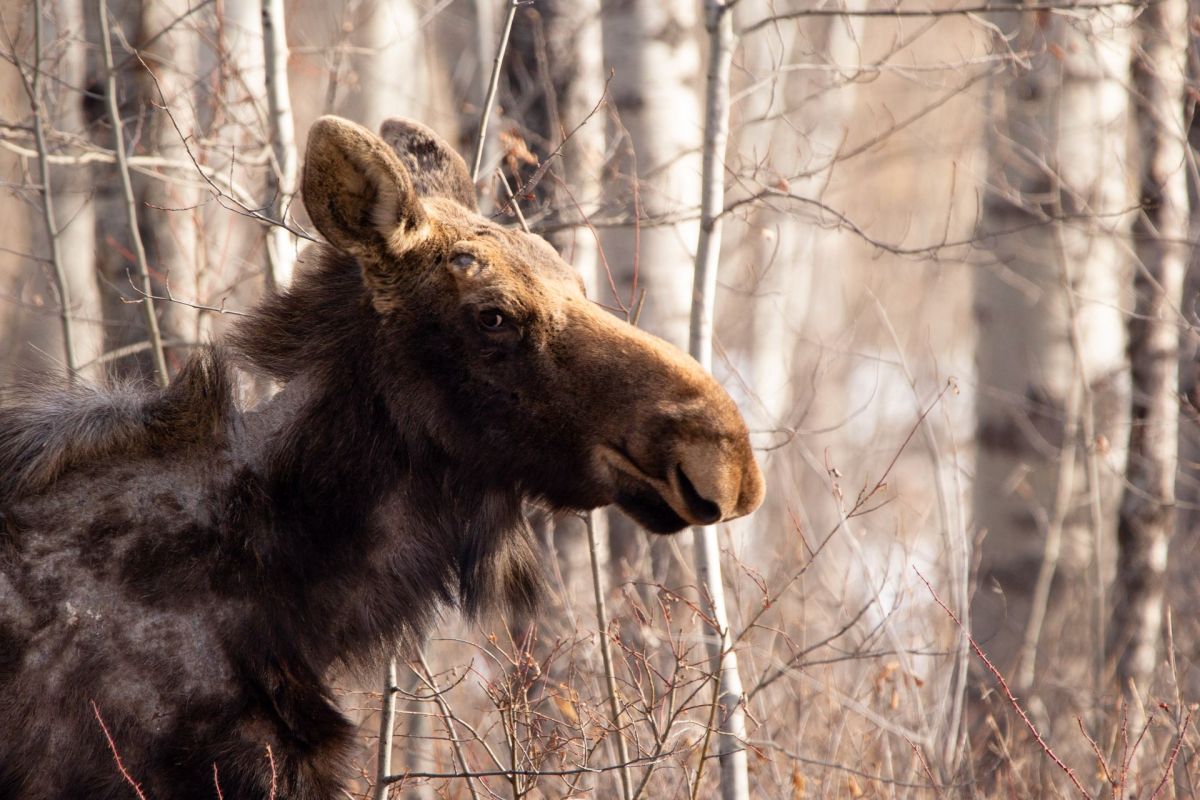
Moose roaming Utah's Wasatch Mountains are facing a brutal threat from annoying little bloodsuckers.
Utah Division of Wildlife Resources researcher Kent Hersey said the moose are being "sucked to death" by ticks that are draining the massive mammals so severely that some die of malnutrition or must be euthanized.
The DWR is now trying to determine exactly where and when moose are becoming infested, as warmer winters and low snowpack appear to be helping more ticks survive. It's a troubling sign for conservation efforts in the state.
As reported in The Salt Lake Tribune, Utah's moose population is now a bit under 3,000 animals, above a 2013 low of about 2,600. The state's 2017 moose management plan said the herd recovered more slowly than expected, and later studies increasingly linked ticks to that problem.
As reported by the Tribune, the DWR began a January study by placing GPS collars on roughly 60 cow moose and calves, while also counting ticks to show where infestations occur and which areas may mean fewer tick loads.
In an interview with the Tribune, Hersey said, "Just a handful of them isn't a huge deal, but some of these animals have thousands of ticks, over 10,000 ticks on them." Hersey went on to say that it takes a lot of energy for these moose to replenish the amount of blood that's being sucked out of them.
TCD Picks » Quince Spotlight
💡These best-sellers from Quince deliver affordable, sustainable luxury for all




As they lose blood, they also rub their coats raw, trying to get relief, breaking off fur and leaving themselves poorly insulated against cold weather.
For people in the region, the effects are becoming more visible. Hersey said DWR has gotten many calls from residents finding moose in terrible condition. In some cases, the animals are so weak they can barely walk, leaving euthanasia as the only option.
While tick infestations may seem like a niche wildlife issue, they are a stark reminder of how warming winters can ripple through an ecosystem. Lower snowpack and drier conditions do not just change the scenery in Utah's mountains — they can diminish a treasured part of life in the region.
Utah isn't the only place where ticks are killing moose. According to Maine Public, the Pine Tree State has the largest moose population in the lower 48 states. In the winter of 2021, the Maine Department of Inland Fisheries and Wildlife collared 70 moose calves, and by the following May, 60 of them had died.
This year could be especially rough in Utah. Hersey warned that a lack of snow may create a "huge year" for ticks because fewer die off in cold, snowy conditions. If dry trends also limit high-quality forage, moose could head into fall thinner and less able to survive blood loss.
Hersey added, "Hopefully we can come up with some really good answers and things we can do to help moose out so they're not being sucked to death — that's a bad way to go."

Get TCD's free newsletters for easy tips, smart advice, and a chance to earn $5,000 toward home upgrades. To see more stories like this one, change your Google preferences here.







