


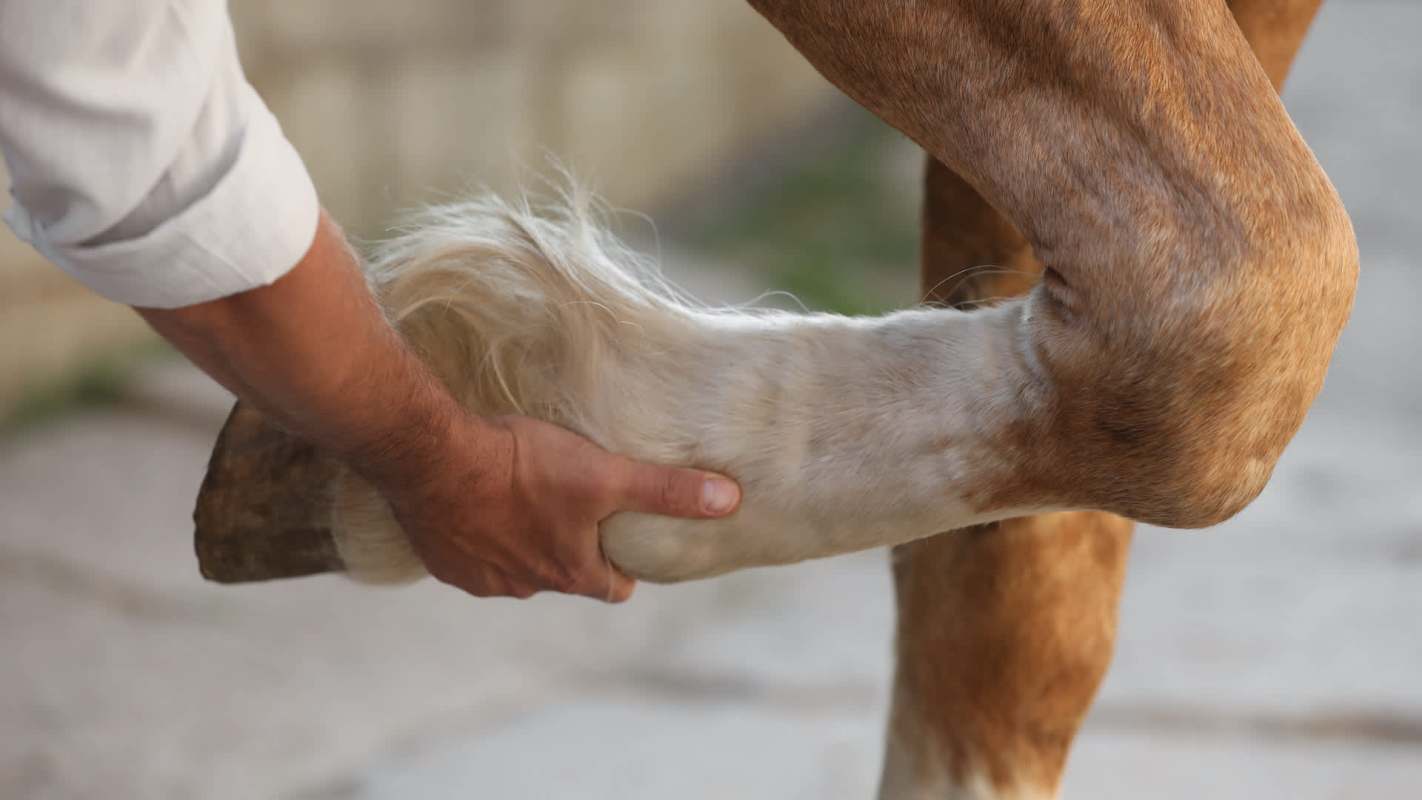
Concern has spread among livestock owners after a central Montana rancher found one of her work horses badly hurt.
She came to suspect a grizzly bear encounter, renewing worries about how closely people, ranch animals, and large predators now share the same country.
The mare is expected to survive, but wildlife officials have not confirmed that a bear caused the injuries.
What happened?
Cowboy State Daily reported that Leah LaTray, a rancher and professional horse trainer near Lewistown, Montana, believes her 8-year-old quarter horse mare was injured in a pasture sometime around June 16 or 17.
LaTray said she found the animal several days later, noting, "She was standing alone in the willows, with maggots in her wounds."
According to Cowboy State Daily, the horse suffered a severe facial cut, a deep wound along its flank, and other injuries.
TCD Picks » Quince Spotlight
💡These best-sellers from Quince deliver affordable, sustainable luxury for all




LaTray said two veterinarians told her the wounds appeared consistent with a bear attack, though neither vet was available for comment.
That view was disputed after Kraig Glazier, USDA Wildlife Services' West District supervisor, examined the horse, LaTray said.
Glazier said the mare would have had "bite wounds on her withers if it had been a bear attack" and suggested she may instead have struck or become caught on something sharp.
LaTray rejected that explanation, saying a horse "could have managed to wheel around and kick the bear in the face before he managed to get on top of her."
Why does it matter?
Whether or not officials ultimately confirm a bear attack, the episode points to a broader issue in parts of the West, where increasing wildlife presence and human activity are overlapping on the same landscapes.
LaTray said grizzly sightings and activity have been rising in her area even though, as Cowboy State Daily reported, her ranch is well over 100 miles from the Rockies, where most of Montana's grizzlies are concentrated.
Creek bottoms, wooded cover, and willow-lined pastures can be useful livestock ground, but they also create the kind of close quarters where a horse and a startled bear could run into each other unexpectedly.
LaTray said she does not necessarily think it was a predatory attack, suggesting instead that "the bear and the horse had a surprise encounter at very close range in the willows."
For ranch families and neighbors who rely on that landscape for their livelihoods, a horse with major injuries can mean costly veterinary treatment, reduced work capacity, and added concerns about safety.
What's being done?
LaTray said other nearby ranches have also reported bear trouble, adding to growing worries about cattle losses and human safety as grizzlies continue moving back into prairie country on their own.
Her ranch is near property owned by American Prairie, a conservation group that supports the return of grizzlies in the region.
Danny Kinka, American Prairie's senior wildlife restoration manager, told Cowboy State Daily that coexistence efforts have to start with protecting people.
"The first order of business is keeping you and your family safe," he said.
Kinka said the group offers programs meant to help ranchers lower the risk of conflicts involving cattle, sheep, and horses.
"The goal is to convince predators that livestock isn't worth messing with," he said.

Get TCD's free newsletters for easy tips, smart advice, and a chance to earn $5,000 toward home upgrades. To see more stories like this one, change your Google preferences here.







