


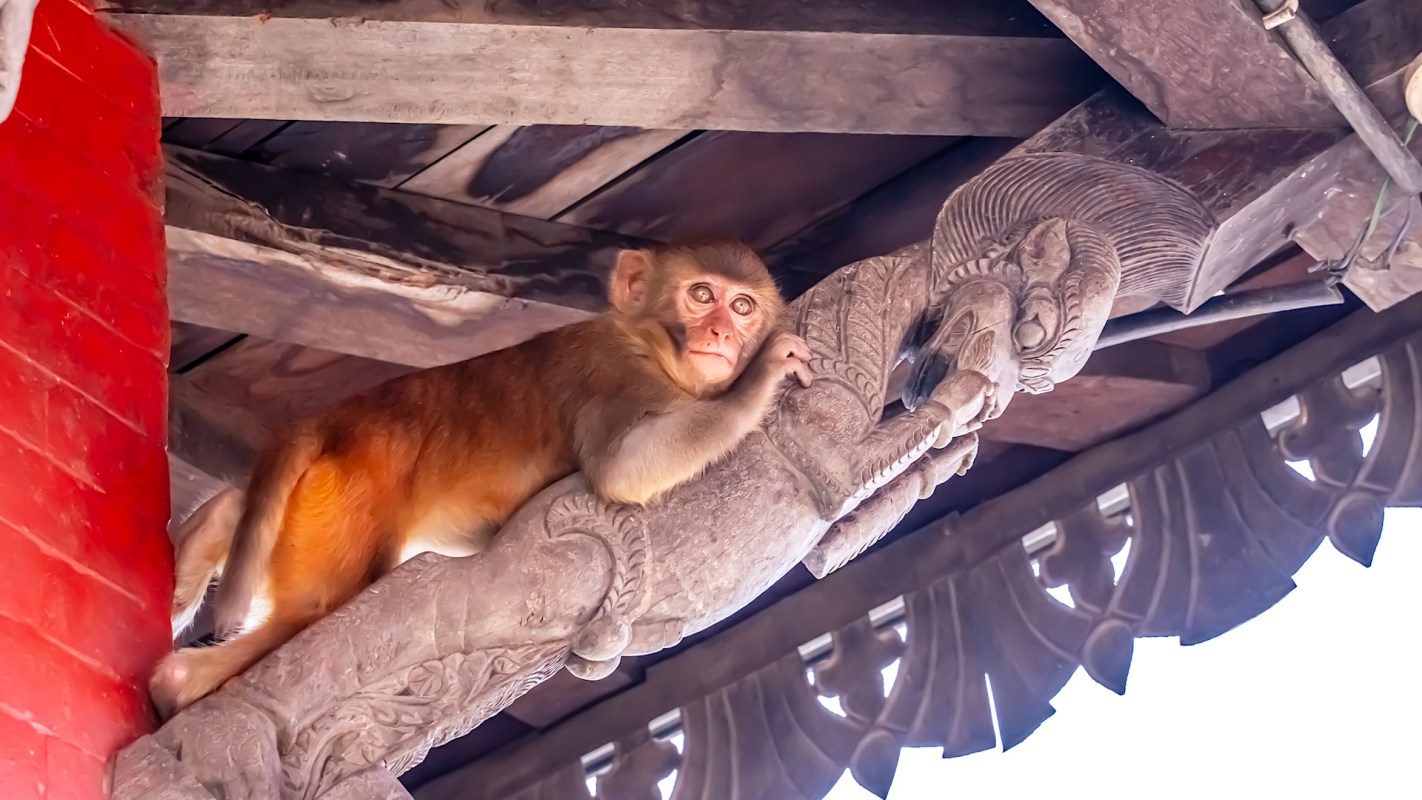
In Nepalgunj, Nepal, monkey attacks are disrupting everyday life and sending residents to the hospital.
Reports from the city describe monkeys getting into houses and businesses to attack people, and officials are now trying to figure out how to better protect residents.
Here's what to know
According to Nepal News, dozens of residents in Nepalgunj have sought medical care after encounters with monkeys as the incidents have spread across neighborhoods and businesses. In the past month and a half alone, Bheri Hospital has treated 40 people for monkey bites.
Repeated accounts of monkeys entering homes and stores have rattled the area. Families and workers say the attacks are interrupting routine life in places where they would ordinarily expect to feel safe.
Nepal News also heard from local Pravez Khan, who said monkeys entered his house and attacked three relatives. Dr. Badri Chapagain described the rise in these attacks as a "concerning" trend.
More background
The incidents in Nepalgunj are part of a broader pattern of tension between people and wildlife, even though monkey attacks on humans remain relatively uncommon. Climate change can intensify those conflicts by increasing competition for food and space and pushing animals into new areas.
TCD Picks » Quince Spotlight
💡These best-sellers from Quince deliver affordable, sustainable luxury for all




Flooding in Nepal, including August flash floods and another major river flood, swept away homes and bridges and damaged part of a hydropower station. When extreme weather upends human communities and animal habitats at the same time, dangerous encounters can become more frequent.
What's being done?
Authorities are working on protections for residents, though they have not yet spelled out what those measures will be.
Anyone bitten by a monkey should seek care without delay. Even a seemingly minor bite should be checked by a clinician because of the risk of infection, including rabies.
Cleaning the wound immediately after a bite is also advised.
Macaques raise another concern, Newsweek reported. For anyone exposed to a macaque, the Centers for Disease Control and Prevention advises immediate first aid and suggests considering antiviral therapy. According to the CDC, bites or scratches that break the skin carry higher risk, and wounds to the head, torso, and neck are even riskier.
Where can I learn more?
What's happening in Nepalgunj reflects a wider pattern of conflict between people and monkeys as habitats, food sources, and animal behavior change. Coverage from India, Thailand, and Vietnam offers a closer look at those encounters, along with broader warning signs about wildlife conflict in urban areas.
• In India, forest officials saw desperate behavior of wild monkeys during extreme heat.
• Researchers warn that the potential for conflict is growing as wildlife appears in cities.
• In Thailand, tourists feeding macaques junk food made the animals bolder around people.
• In Vietnam, a tourist was accused of conditioning wild animals to approach people.
• At Vietnam's Son Tra Reserve, visitors were blamed for threatening monkeys.

Get TCD's free newsletters for easy tips, smart advice, and a chance to earn $5,000 toward home upgrades. To see more stories like this one, change your Google preferences here.







