


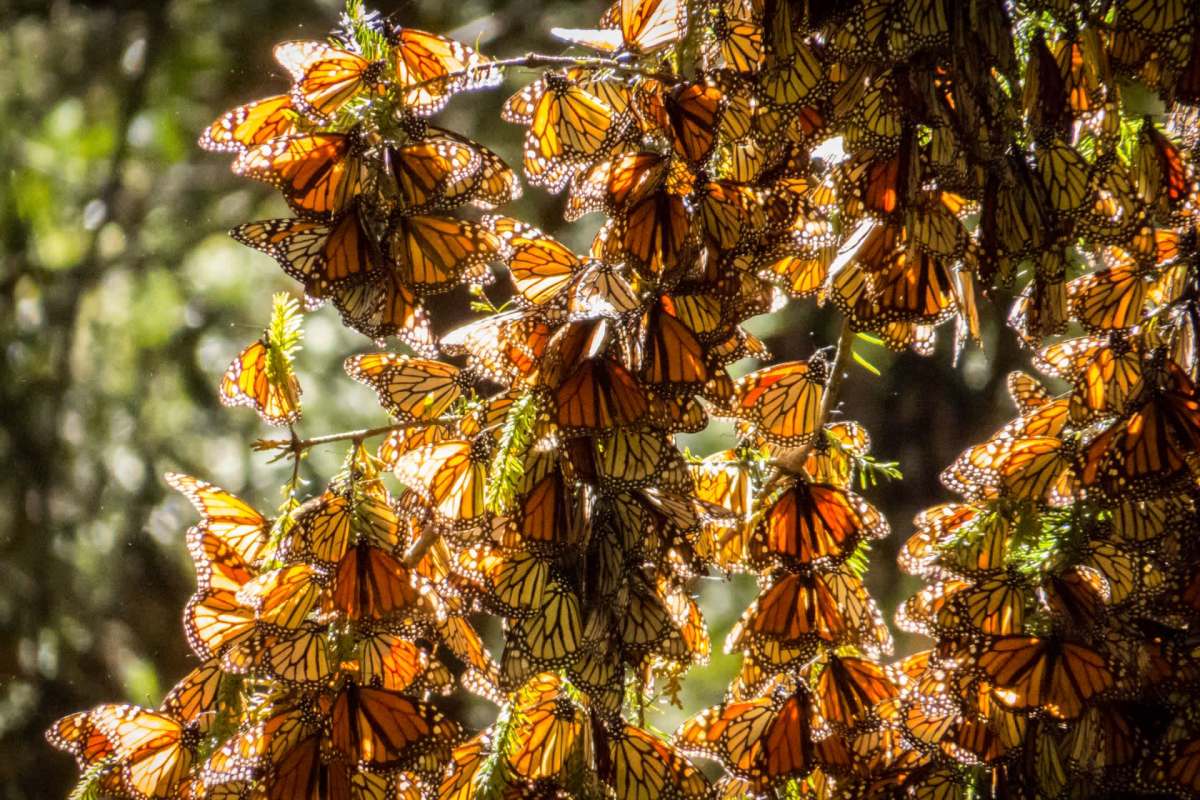
In a promising sign of recovery for one of North America's most recognizable species, the eastern migratory monarch butterfly population has boomed by 64%, according to WWF.
Here's what to know
Every year, eastern monarch butterflies make the 2,800-mile journey from Canada and the United States to the forests of the Monarch Butterfly Biosphere Reserve in Mexico for winter hibernation.
Two new reports from WWF-Mexico and its partners found that colonies covered 7.24 acres of forest in the 2025-2026 season. That's an increase of 4.42 acres compared to last season. The figure is based on an annual survey of the forest used by overwintering colonies in Mexico that WWF uses to track population trends.
A second report on the butterflies' winter habitat found that only 6.3 acres of forest were degraded from February 2024 to February 2025 — nearly three acres less than the previous year. Damage in 4.58 acres came from illegal logging. Forest fires and drought caused the rest of the loss.
More background
The improvement is a huge victory for conservation efforts, but there's still a long way to go. According to WWF, winter monarch colonies used to cover nearly 45 acres of forest 30 years ago.
Scientists link that decline to extreme weather across Canada, the U.S., and Mexico. In the U.S., WWF says shrinking breeding habitat, along with toxin-filled herbicide and insecticide use, has hurt the species. In Mexico, degradation of oyamel fir forests weakens the shelter monarchs depend on to escape wind, rain, and cold.
TCD Picks » Quince Spotlight
💡These best-sellers from Quince deliver affordable, sustainable luxury for all




What's being done?
Conservationists are collaborating with the government and community partners in Mexico to encourage sustainable tourism in the Monarch Butterfly Reserve. The group also supports tree nurseries that can help keep forests alive and create economic opportunities for nearby residents.
The U.S. is working to curb neonic pesticide use, which is a major factor in monarch decline. People there are also aiming to restore formerly plowed Great Plains grasslands as a pollinator habitat.
Maria Jose Villanueva, WWF-Mexico Director General, said in WWF's press release, "Despite environmental challenges, today's announcement shows promising signs of recovery for the migratory eastern monarch butterfly population. These reports indicate conservation measures are going in the right direction. We also need to remain vigilant and not forget that this unique migration continues to face many challenges."
Where can I learn more?
People are committed to saving monarch butterfly populations in many ways.
• At a monarch sanctuary in Mexico, volunteers made astonishing discoveries while protecting threatened winter habitat.
• U.S. officials are weighing endangered species protection for monarchs.
• After monarchs were listed as endangered, people realized that simple actions at home could help more than they realized.
• Home gardeners found that milkweed thrives even in pots, expanding habitat for monarchs.

Get TCD's free newsletters for easy tips, smart advice, and a chance to earn $5,000 toward home upgrades. To see more stories like this one, change your Google preferences here.







