


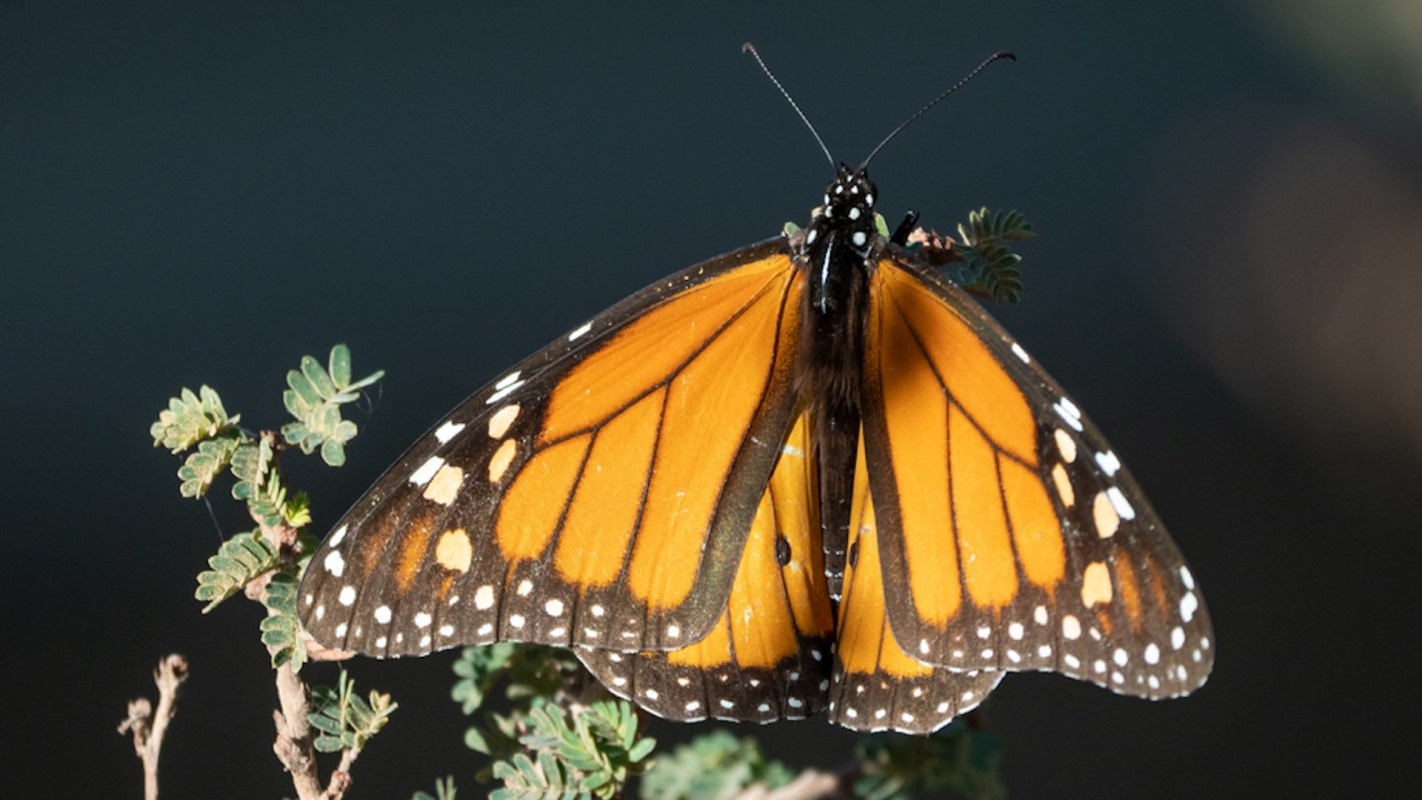
By court order, the U.S. Fish and Wildlife Service must decide by June 6, 2030, whether monarch butterflies should receive Endangered Species Act protection.
Here's what to know
As DTN reported, the ruling sets a fixed timetable for a long-delayed federal decision after conservation groups argued that every added year of waiting increases the danger to one of North America's most recognizable migratory species.
The outlet noted the deadline was set through a late-September consent decree from the United States District Court for the Northern District of California, following a February 2026 lawsuit brought by the Center for Biological Diversity and the Center for Food Safety.
The dispute traces back to a Dec. 12, 2024, proposal from the service to list the monarch as threatened, DTN noted. At the same time, the lawsuit said the agency proposed protecting 4,395 acres in California's Alameda, Marin, Monterey, San Luis Obispo, Santa Barbara, Santa Cruz, and Ventura counties.
The outlet said after an initial public comment period ended March 12, 2025, the agency opened a second 60-day comment window that ran through May 19, 2025. It then did not issue a final decision by Dec. 12, 2025, instead shifting the matter into long-term action without setting a firm deadline.
In their lawsuit, the groups emphasized that the deadline for a final listing decision tied to the 2024 proposal had already expired.
TCD Picks » Quince Spotlight
💡These best-sellers from Quince deliver affordable, sustainable luxury for all




More background
Monarch populations have dropped sharply across both of North America's long-distance migratory groups, DTN noted. Those include the eastern population, which spends winters in the mountains of central Mexico, and the western population, which does so mostly along coastal California.
According to the USFWS, the eastern migratory population has fallen by about 80%. Even worse, the western population is down by more than 95% from 1980s levels, after a time when more than 4.5 million western monarchs gathered at California overwintering sites.
In the mid-1990s, DTN said about 380 million eastern monarchs traveled to Mexico as part of one of the world's longest insect migrations.
The outlet revealed that habitat protections in California remain unresolved. The proposed critical habitat covers seven counties, and the service estimates the western population's extinction risk by 2080 at more than 99%. For eastern monarchs, the estimated extinction risk ranges from 56% to 74%.
What's being done?
Under the settlement, the federal government has until June 6, 2030, to act, rather than leaving the monarch proposal on an open-ended timeline. That deadline arrives more than 10 years after conservation groups first filed their Endangered Species Act petition, according to DTN.
The USFWS has already outlined a basic protection plan, the environmental groups argued. In its 2024 proposal, the USFWS said it should list the monarch as threatened while conserving part of the butterfly's coastal California overwintering range.
Advocates are also continuing to use the courts to push federal action, the outlet noted. Multiple lawsuits have focused on the monarch, citing threats from agricultural chemicals, including glyphosate and Enlist Duo.
Where can I learn more?
Other developments are underway to address monarch declines, along with similar legal fights over species protections.
• WWF recorded a 64% population increase in Mexico's overwintering monarchs, a rare hopeful sign.
• In Wisconsin, inmates are raising monarch butterflies behind bars to help rebuild dwindling numbers.
• Twenty states and D.C. moved to challenge habitat rollbacks that could weaken species protections.
• Across the Great Plains, the plains spotted skunk could gain long-sought federal protection.

Get TCD's free newsletters for easy tips, smart advice, and a chance to earn $5,000 toward home upgrades. To see more stories like this one, change your Google preferences here.







