


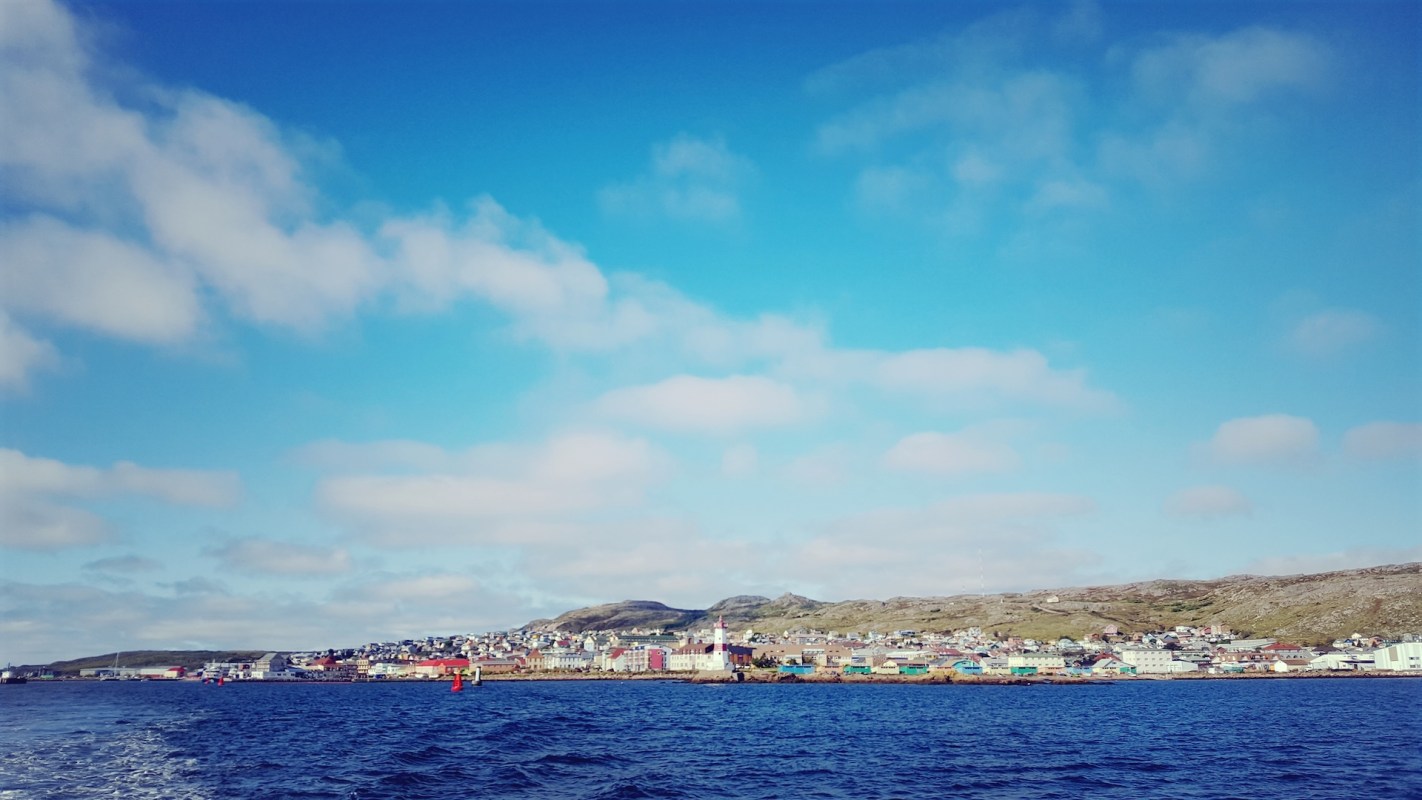
A French island town off Newfoundland is preparing to move to higher ground, hoping to preserve a 200-year-old community increasingly threatened by flooding.
Here's what to know
In Miquelon, a voluntary relocation plan will allow residents to rebuild nearby before their old homes are dismantled, gradually moving the village away from its vulnerable waterfront.
Nearly a dozen homes are taking shape on new lots across Miquelon's harbor, within 0.62 miles of where the village now stands, according to CBC News. The island, which is under French sovereignty, is a 90-minute ferry ride from Newfoundland.
A mark on the harbor's customs office illustrates the danger: By the end of the century, water could reach 12.1 feet (3.7 meters) above sea level during intense storms, enough to inundate the town. The village's sandy, gravelly foundation lies roughly 6.6 feet (two meters) above sea level, Mayor Franck Detcheverry told CBC News.
Detcheverry fears a disaster could threaten residents' lives and property. The relocation, expected to take several decades, is France's first effort to move an entire village.
More background
Worsening storms threaten the coastal setting that sustain the local economy. For two centuries, Miquelon's waterfront location has supported fishing livelihoods and made travel easier.
TCD Picks » Quince Spotlight
💡These best-sellers from Quince deliver affordable, sustainable luxury for all




The risk extends beyond property damage: Flooding also threatens public health, community safety, and residents' finances.
Hurricane Fiona narrowly missed Miquelon before striking Newfoundland, where Port aux Basques lost roughly 100 homes to destruction or severe damage, according to CBC News.
Resident Michel Detcheverry, who is in his late 60s and is not related to the mayor, has lived his entire life in his current house. His late uncle helped renovate it.
"To just take everything, tear everything down and go somewhere else, I don't feel like it," he said, according to CBC News.
For resident Maryline Detcheverry, protecting the existing village is the priority — a position she has pressed through a petition. She is also not related to the mayor.
What's being done?
No further construction will be allowed on the vacated properties, and the existing houses will be demolished once their residents have moved into new homes. France's Barnier Fund buys participating residents' homes and provides funds for construction on the replacement lots, according to CBC News.
French President Emmanuel Macron has pledged a €20 million ($22.4 million) contribution toward developing lots with room for 75 houses. That is about half the number the relocated village will eventually need.
Each resident can choose whether to stay or relocate.
Homes on safer ground could remain in families for future generations, the mayor argued, while acknowledging residents' attachment to their current homes. Maryline Detcheverry would prefer efforts to reinforce the village's eastern flank.
"For some, it's a loss of identity, and some people feel they are losing their bearings and their family heritage," the mayor said, according to CBC News. "I'm attached to Miquelon Island, but not necessarily to the current site."
Where can I learn more?
Miquelon is one of many communities facing hard choices as flooding and coastal erosion threaten homes.
• India's abandoned fishing village shows why climate retreat needs more than replacement homes.
• In Philadelphia's Eastwick neighborhood, residents are considering flood buyouts as flooding worsens.
• In Australia, rising seas leave 267,000 properties at risk as safe land shrinks.

Get TCD's free newsletters for easy tips, smart advice, and a chance to earn $5,000 toward home upgrades. To see more stories like this one, change your Google preferences here.







