


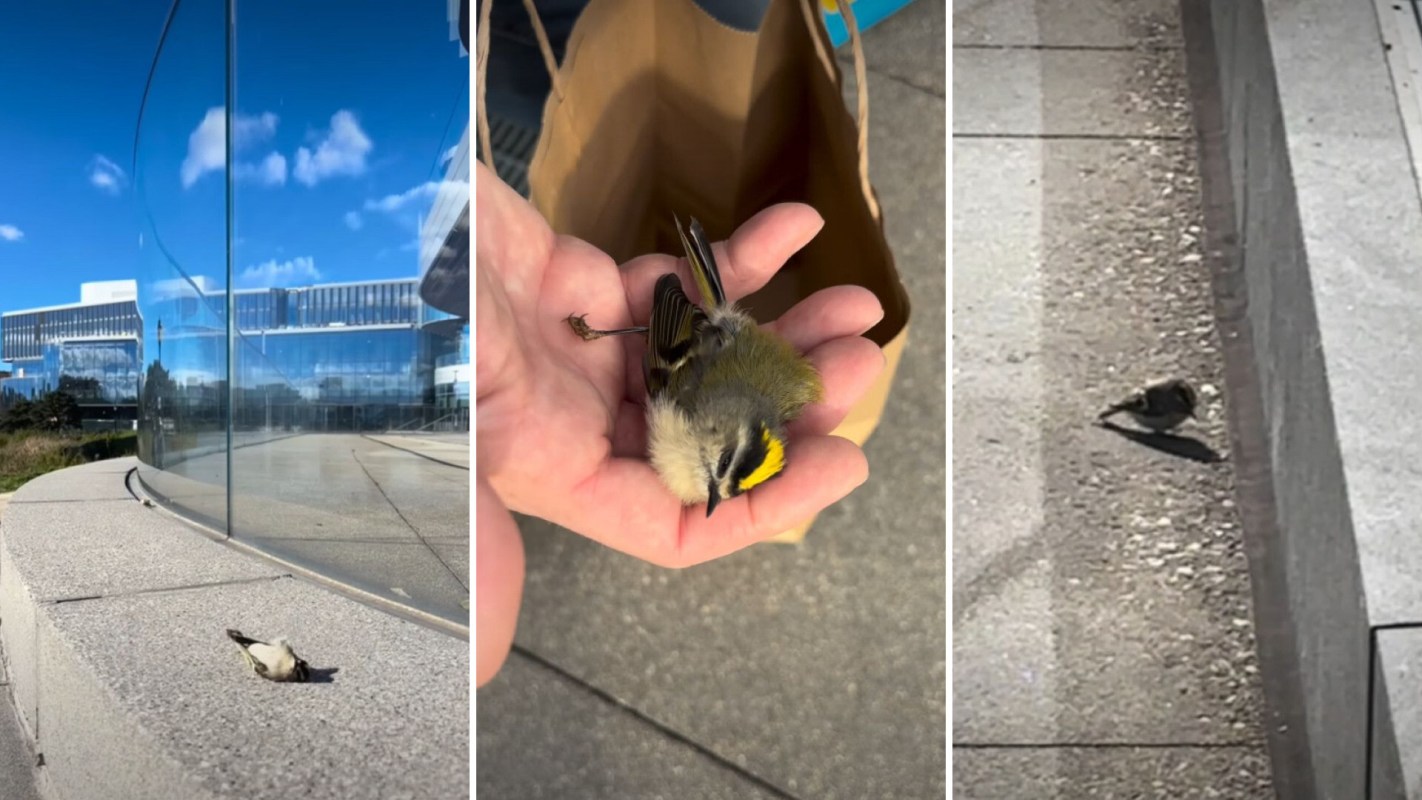
Reports of dead migratory birds outside a mirrored building at Northwestern University have drawn criticism after the school's president attributed the deaths to wind rather than to the glass facade.
Here's what to know
In an Instagram post, Bird Collisions in the Anthropocene (@birdcollisionsproject) claims Northwestern was avoiding blame for bird deaths on campus by citing a "windstorm" instead of the mirrored building the birds struck.
The video directly challenges that explanation.
"There was no windstorm. The data shows it, and I was there that day," the narrator says. They add that the birds were "migrating south because the weather turned cold" and flew into what the video describes as "a giant mirrored behemoth that looks like the sky."
According to the post, much of the building still lacks treatment, with the narrator saying Northwestern has "only treated less than half of this building" despite the collision risk.
Commenters broadened the criticism to campus decision-making. One wrote, "A 'top ranked university' should absolutely have available funding and research capabilities to understand that this building is a problem and there are solutions available. This problem is absolutely avoidable."
TCD Picks » Quince Spotlight
💡These best-sellers from Quince deliver affordable, sustainable luxury for all




More background
Rather than describing the deaths as a chance occurrence, the narrator says the building sits on a key migration route and refers to it as a "huge mirrored mountain on a major migratory path for hundreds of bird species."
The post also says attention to the issue had already spread beyond campus.
"Together we've helped bring international attention to the birds being killed on Northwestern's campus," Bird Collisions in the Anthropocene says, suggesting the incident has become not only a wildlife issue but also a reputational one for the university.
What can be done?
"They need to finish the job," the narrator says, referring to the untreated sections of the mirrored structure.
The post also urged viewers to contact university leadership directly at nupresident@northwestern.edu and boardoftrustees@northwestern.edu, pressing Northwestern to change the building rather than present the deaths as inevitable.
Where can I learn more?
Bird deaths like these happen in many places where migration routes intersect with glass, bright lights, and other human-made hazards.
• At a convention center, bird-safe window film sharply reduced deadly migratory collisions.
• Architects are testing bird-friendly building design to make modern glass structures less lethal.
• During migration, artificial light at night can pull birds toward fatal collisions with buildings.

Get TCD's free newsletters for easy tips, smart advice, and a chance to earn $5,000 toward home upgrades. To see more stories like this one, change your Google preferences here.







