


Enbridge's Line 5 project in the Great Lakes is facing renewed pressure as Tribal Nations and environmental organizations pursue another legal challenge.
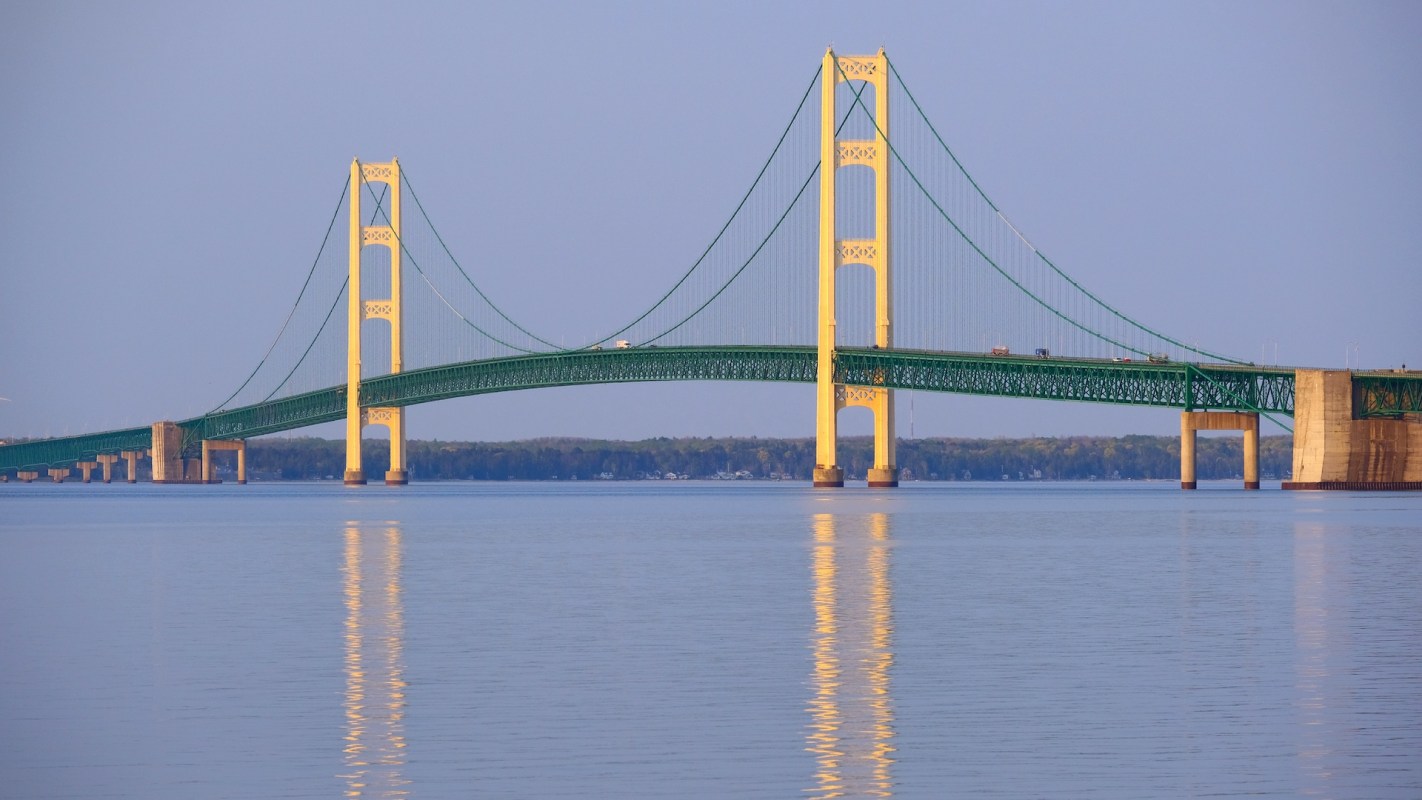
Michigan's decision on a proposed tunnel beneath the Straits of Mackinac, where the aging pipeline crosses a sensitive waterway, is at the heart of the fight.
Here's what to know
According to the Michigan Advance, four Tribal Nations and several environmental groups want the state to reverse permits tied to the project.
The permits issued in July by the Michigan Department of Environment, Great Lakes and Energy are being challenged through a contested case request filed by the Grand Traverse Band of Ottawa and Chippewa Indians, the Bay Mills Indian Community, the Little Traverse Bay Bands of Odawa Indians, and the Sault Ste. Marie Tribe of Chippewa Indians.
In a separate petition, the National Wildlife Federation, the Michigan Climate Action Network, Flow Water Advocates, and the Environmental Law and Policy Center also asked for a contested case.
The filings came after Michigan Gov. Gretchen Whitmer said the state would revisit the permits following a Michigan Supreme Court ruling. The court found that regulators had not considered the environmental impacts associated with extending Line 5's lifespan when they approved another permit for the project.
TCD Picks » Quince Spotlight
💡These best-sellers from Quince deliver affordable, sustainable luxury for all




Line 5 is a roughly 645-mile pipeline connecting northwestern Wisconsin, Michigan, and Sarnia, Ontario. In the Great Lakes, the system splits into two lines that rest on the lakebed.
More background
Tribal Nations, environmental groups, and some state officials have spent years opposing the pipeline, warning that a failure could release crude oil into the Straits of Mackinac.
Those fears intensified in 2018, when an anchor hit the pipeline and left three dents, according to the Michigan Advance.
To address that threat, Enbridge and the state agreed to build a utility tunnel beneath the lakebed for a replacement pipeline segment. Enbridge has said the tunnel would help prevent future anchor strikes and contain possible spills, while opponents argue that the tunneling itself would create serious environmental and cultural risks.
Native American Rights Fund managing attorney David Gover said, "The Line 5 tunnel project, if allowed to proceed, will irreversibly destroy tribal cultural resources including burials, tribal lifeways, and the Straits of Mackinac, a sacred space for the Anishinaabe."
What's being done?
Dave Scott, a senior attorney at the Environmental Law and Policy Center, said the water resource permit EGLE approved is "deficient under Michigan environmental laws."
"That's even clearer after the Michigan Supreme Court's recent opinion," Scott said. "Michigan law requires a robust environmental review and analysis of alternatives to the tunnel. We look forward to presenting our arguments and we hope that EGLE will do the right thing and ultimately deny this legally deficient permit."
Enbridge, meanwhile, is still defending the project. Ryan Duffy, an Enbridge spokesperson, said, "Let's be clear — we already have an agreement with the State of Michigan to advance the Great Lakes Tunnel Project. Without years of litigation and political intervention, this project would be moving toward completion."
Where can I learn more?
The fight over Line 5 is part of a much larger debate over fossil fuel infrastructure and how closely it should be regulated. Similar disputes are playing out around the country, from pipeline battles and gas system expansion to pollution harms and the cost of keeping aging energy projects running.
• In Massachusetts, utilities poured $100M into gas lines despite local fossil-fuel-free efforts.
• In West Virginia, aging coal plants cost ratepayers after 50 years of use.
• Across the United States, utilities are costing Americans hundreds of millions to keep old coal plants online.
These disputes reach far beyond any single permit, shaping public health, household costs, and state environmental policy, and helping explain why Line 5 continues to draw such intense scrutiny.

Get TCD's free newsletters for easy tips, smart advice, and a chance to earn $5,000 toward home upgrades. To see more stories like this one, change your Google preferences here.







