


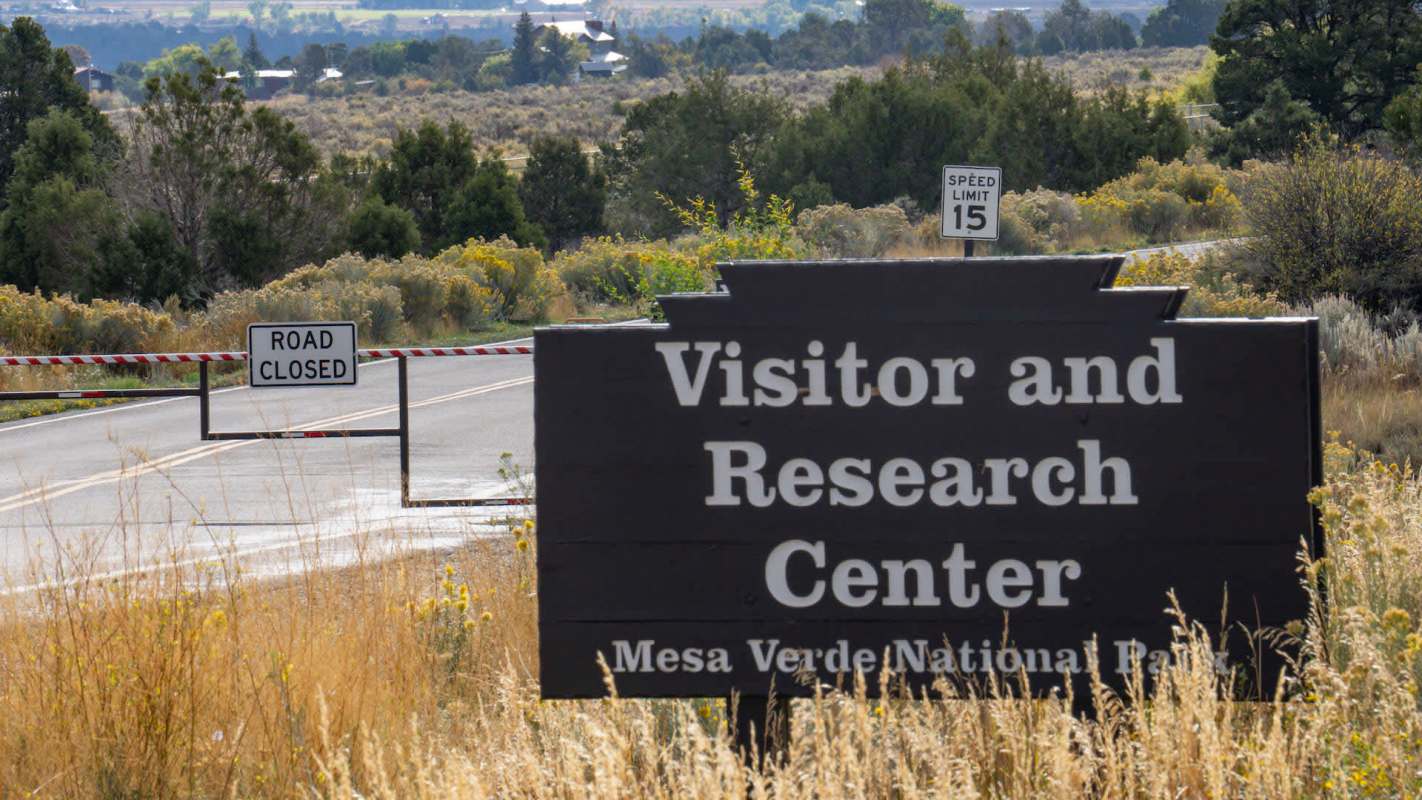
Mesa Verde National Park is preparing to return more than 4,000 sacred objects and the remains of 85 Indigenous people in a major repatriation effort tied to Tribal history in the Southwest.
Here's what to know
In its largest repatriation effort in history, UNESCO site Mesa Verde National Park is taking a long-overdue step in returning 4,304 culturally significant objects along with the remains of 85 individuals to their rightful Tribes in Arizona, New Mexico, and Colorado, according to local officials, via The Denver Post.
In 1990, the federal Native American Graves Protection and Repatriation Act (NAGPRA) required federal agencies and institutions, like museums and universities, that receive federal funds to return Native American human remains and other cultural items to Tribal nations.
However, many of the country's most prestigious museums and universities still hold onto Indigenous objects and remains.
After conducting an inventory, Mesa Verde National Park identified ceramic bowls and jars, sandals, matting, ropes made of human hair, animal bones, feather boxes, crystals, turquoise, and buckskin bags. Tribe members can now submit repatriation requests now that the inventory is complete.
For descendant communities, repatriation is far more than a symbolic paperwork exercise. It can mean regaining stewardship of ancestors, burial items, and ceremonial objects removed from their original context—more often than not, without consent.
TCD Picks » Quince Spotlight
💡These best-sellers from Quince deliver affordable, sustainable luxury for all




That makes the decision especially significant at well-known Native archaeological sites that have become tourist destinations, because it shows these areas are still part of a living cultural story for Native communities.
Tribal nations have long been trying to recover the remains of their ancestors and their sacred belongings from federal agencies, universities, and museums that acquired and kept them during eras when Native communities were shut out of the process. For these communities, the returns can support cultural preservation, spiritual practice, and healing from historical trauma.
What's being done?
Federal officials and Tribal representatives are moving through the legal and cultural steps needed to identify items, determine affiliation, and arrange their return. That work is often slow, but it is essential to getting repatriation right.
Support for cultural and environmental stewardship often goes hand in hand. If you want to back efforts that protect communities and the places they care for, it may be worth learning more about donating money to climate causes, especially those that center frontline and Indigenous leadership.
While the harm of the past and how these items fell into the wrong hands to begin with cannot be undone, returning ancestors and sacred belongings marks an important shift that recognizes respect and accountability.
"It feels amazing to know that these ancestors and different objects are going to go home and be buried, that they get to finish their journey finally," said David Hyde, Western Colorado's museum volunteer curator and collections manager. "There's no reason for Native American ancestral remains to be in museums, cabinets, or campuses. This is a long time coming."
Where can I learn more?
The articles below cover Indigenous stewardship, land, and the long legacy of displacement. They aren't specifically about repatriation, but they do show how Tribal leadership and conservation efforts across the country are rebuilding ties.
• In Arizona, the Cocopah Tribe is sparking a revival of once-pristine land with native plants.
• Across Indigenous homelands, leaders are bringing iconic native animals back to strengthen culture and grasslands.

Get TCD's free newsletters for easy tips, smart advice, and a chance to earn $5,000 toward home upgrades. To see more stories like this one, change your Google preferences here.







