


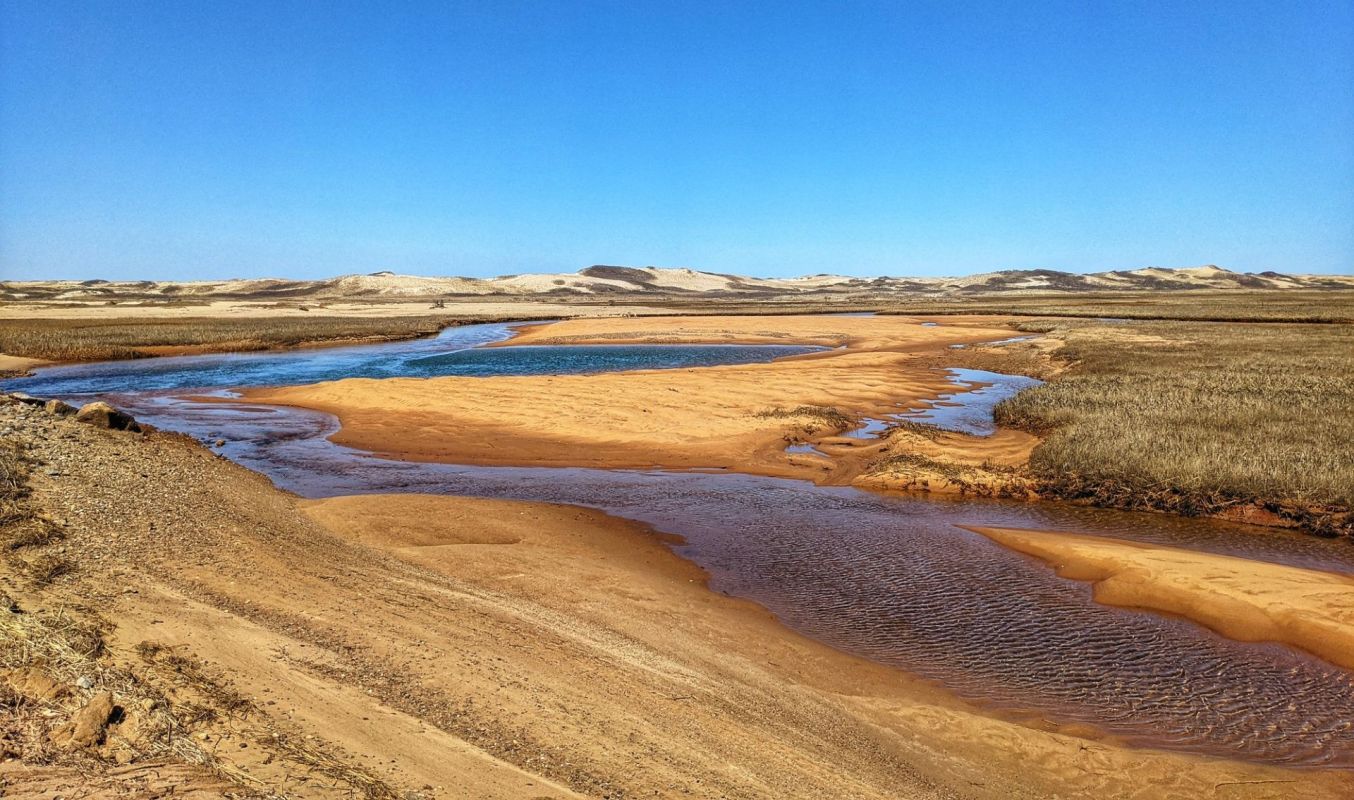
More frequent heavy rain has not spared Massachusetts from prolonged drought. In nine of the past 11 years, dry spells have lasted at least four months.
Here's what to know
At the OneCape Summit in Harwich, State Water Policy Director Vandana Rao reported declines in stream and groundwater-well levels alongside increased heavy rainfall, according to CAI.
The 1960s brought a drought that Rao characterized as a one-in-500-year event. She said the current drought ranks among the most severe since then.
She said the rainfall shortfall in 2016 was smaller than during the 1960s drought, yet stream flows fell to record lows.
"Our data on both stream flow and groundwater have been a little baffling for us," Rao said. "We should not have expected to see record lows."
Rao works in the state's environmental affairs office. She identified land development and climate change as contributors to the water challenges.
TCD Picks » Quince Spotlight
💡These best-sellers from Quince deliver affordable, sustainable luxury for all




More background
Rain quickly runs off impervious surfaces such as roads and driveways, which can contribute to flooding. Because those surfaces keep rain from soaking into the ground, they also block groundwater recharge and can contribute to drought.
"The droughts today are behaving different," Rao said. "And all of it points to land use. The way we have developed in the last 60 to 80 years, where we have developed, and how we have developed have all led to the fact that our hydrological cycle is changing."
She linked the summit's main themes — housing, the economy, and natural resources — to Cape Cod's water challenges.
Cape Cod Commission executive director Kristy Senatori said the region's housing crisis threatens its workforce and the next generation's ability to live there. Communities are also contending with rising seas and concerns about clean drinking water.
What's being done?
The Cape Cod Commission's annual policy summit brought regional leaders together at the Wequassett Resort to address these interconnected challenges, according to CAI.
Senatori urged cooperation among Cape Cod's 15 towns, emphasizing that a commitment to local control cannot mean working alone.
Rao said drought needs to be part of the conversation about housing and development. Planning should account for water consumption, the amount of wastewater people generate, and where that wastewater goes, she explained.
Massachusetts Attorney General Andrea Joy Campbell also encouraged leaders to set divisive politics aside and pursue common goals.
During an onstage conversation with Senatori, Campbell described the Cape's distinctive towns and small businesses as strengths that can help sustain vibrant, year-round communities.
She said, "In Massachusetts, make no mistake, climate change is water change."

Get TCD's free newsletters for easy tips, smart advice, and a chance to earn $5,000 toward home upgrades. To see more stories like this one, change your Google preferences here.







