


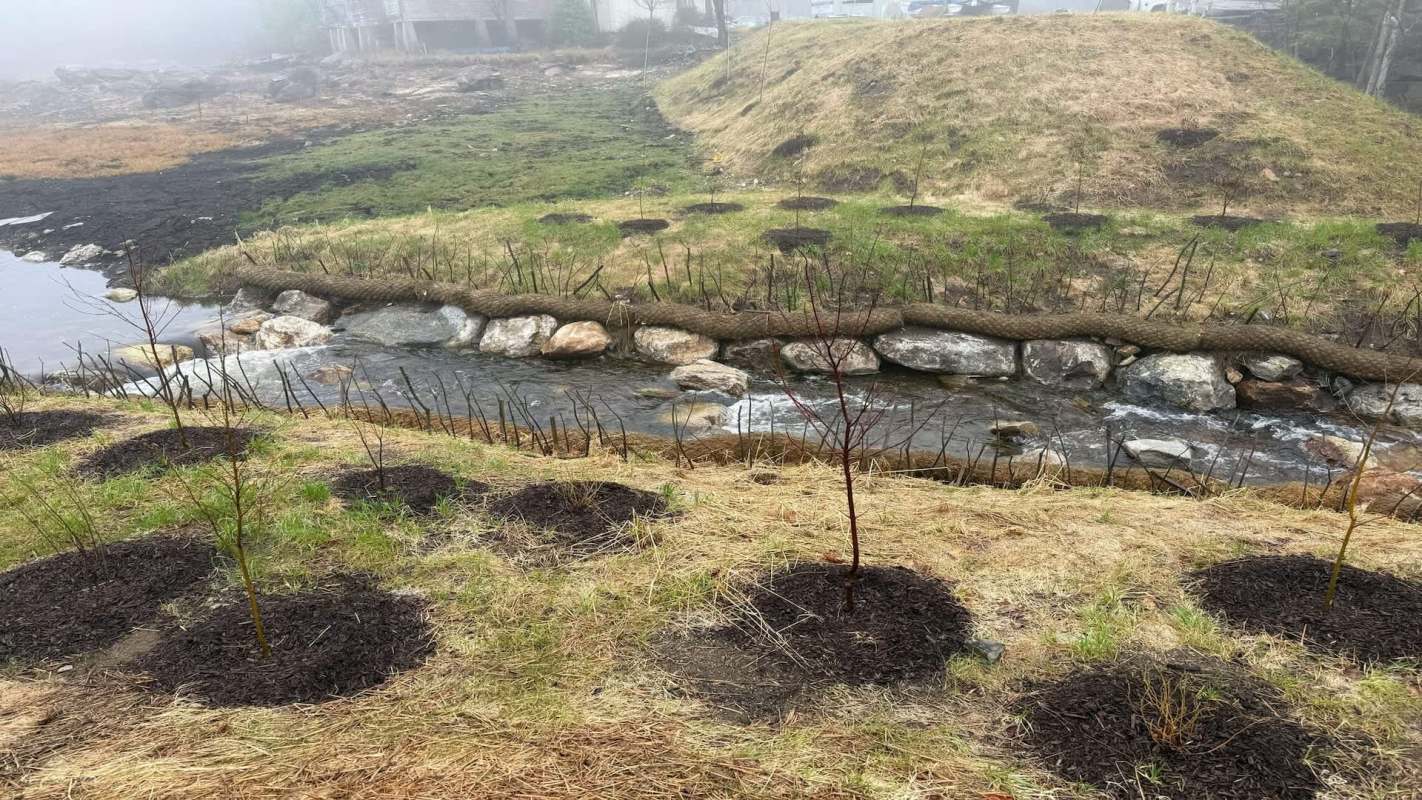
The removal of an old dam has reopened a central Massachusetts river, but the project is also part of a wider statewide trend. In 2025, Massachusetts outpaced every other state in dam removals as officials pushed for safer communities and healthier waterways.
Here's what to know
Working with Ashburnham, the administration of Governor Maura Healey and local nonprofit groups completed a project that reopened part of the Whitman River, The Lowell Sun reported. The work included taking out the 18-foot Whitney Pond Dam in Ashburnham.
Whitney Pond was one of 15 dam removals completed across Massachusetts in 2025, a figure that put the state ahead of every other state in the country. Even so, Massachusetts still has roughly 3,000 dams.
As older dams lose their original function, towns can still be left paying to maintain them, even as deterioration raises flood concerns. In a state experiencing stronger storms and heavier rainfall, removing obsolete barriers can reduce municipal liability and improve river health.
The project also aligns with the state's biodiversity goals, which call for removing 10% of Massachusetts' dams by 2050.
More background
For municipalities, aging dams can become expensive infrastructure to keep up, with maintenance and repair costs ultimately borne by taxpayers and ratepayers.
TCD Picks » Quince Spotlight
💡These best-sellers from Quince deliver affordable, sustainable luxury for all




Removing obsolete dams can also reconnect habitats that fish and other wildlife depend on. When rivers are allowed to flow naturally again, they can move sediment more effectively, improve water quality, and support healthier ecosystems both upstream and downstream.
What's being done?
Massachusetts is treating dam removal as both an environmental strategy and a resilience tool. By coordinating state agencies with towns and nonprofit partners, the commonwealth is accelerating projects that might otherwise be too costly or too complex for a small municipality to tackle on its own.
The goal suggests this is not a one-off effort but a broader strategy to evaluate which dams remain useful and which pose more risks than benefits.
That approach can open the door to safer, less expensive infrastructure systems. Instead of continuing to maintain aging structures indefinitely, towns may be able to trade liability for restored waterways that support wildlife and better absorb changing weather patterns.
"Projects like the Whitney Pond Dam removal make our communities safer, strengthen our environment and help Massachusetts prepare for the impacts of climate change," Gov. Healey said in a statement. "We're proud to partner with Ashburnham and local organizations to restore this river, protect wildlife habitat and create a lasting resource for the community."

Get TCD's free newsletters for easy tips, smart advice, and a chance to earn $5,000 toward home upgrades. To see more stories like this one, change your Google preferences here.







