


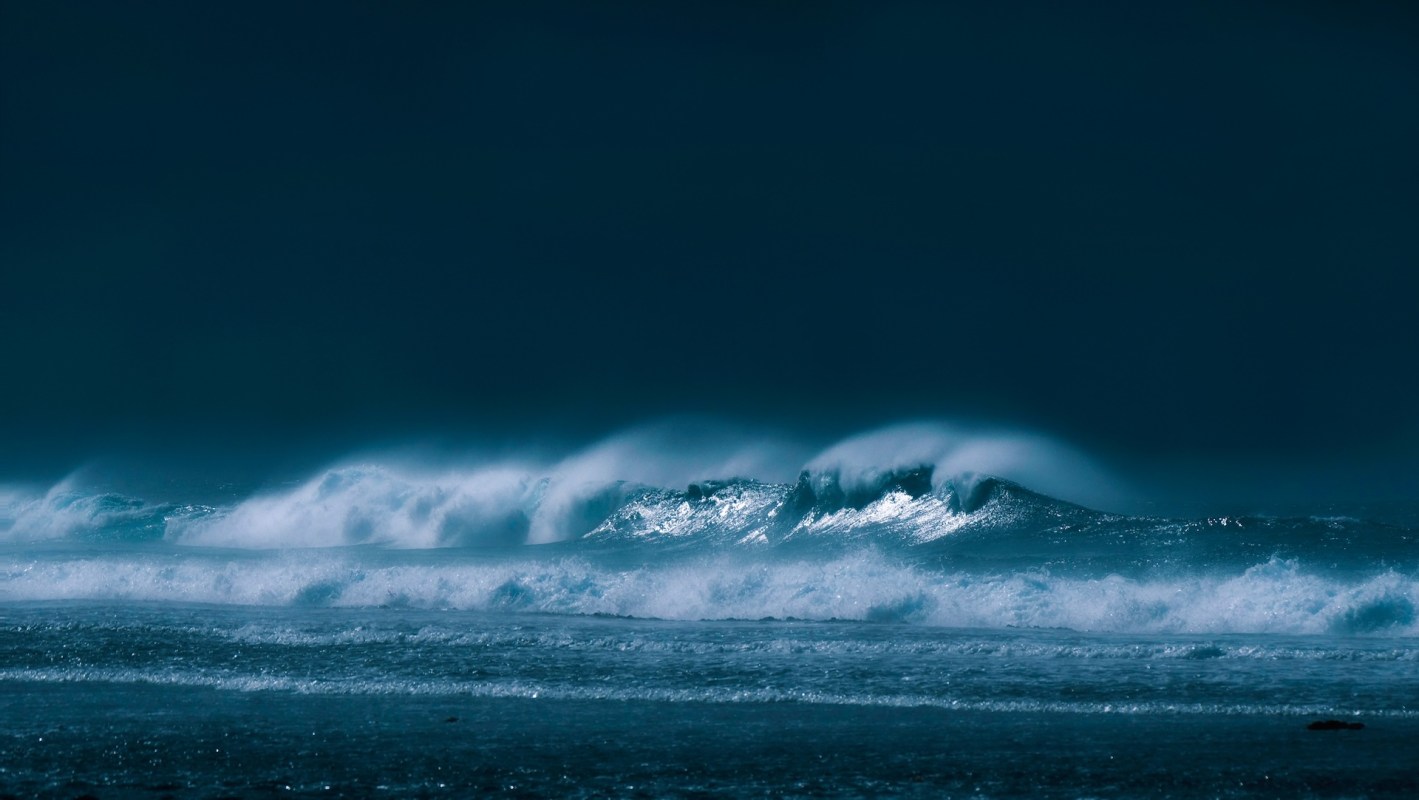
Families on Manihiki, an atoll in the Cook Islands, have been facing a Category 5 cyclone.
Their electricity system, meanwhile, has been out of service for over a year, during which households have relied on limited solar power and private generators.
Here's what to know
Residents of the Northern Cook Islands face coastal flooding and dangerous conditions on land and at sea as Category 5 Severe Tropical Cyclone Xavier threatens the South Pacific region.
The risks include destructive winds and heavy rain.
Emergency Management has urged northern communities to stay especially alert, according to RNZ, with sister islands Pukapuka and Nassau facing particular danger.
The Fiji Meteorological Service reported that near the center of the storm Xavier's sustained winds reached about 137 mph (220 kilometers per hour).
TCD Picks » Quince Spotlight
💡These best-sellers from Quince deliver affordable, sustainable luxury for all




Gusts reached 196 mph (315 kph) as the cyclone moved west-southwest at about 4.3 mph (7 kph).
RNZ reported gale warnings for Pukapuka and Nassau as Xavier approached, while Manihiki remained under a strong-wind warning.
Despite that alert for Manihiki, resident Jean Marie Williams told the outlet that the "worst is over" for his island.
More background
Williams also described how critical sunshine is to area households.
"Since we had our power that went down over a year ago, we never got it replaced, and we only have power when the sun comes out, charges our solar system, and then we can only use maybe four, five hours' power, and then shut it down," he told RNZ.
Limited electricity makes it difficult for Manihiki families to keep food frozen. Severe weather threats can pose additional risks to infrastructure and households.
What's being done?
Williams said residents do not wait for official weather warnings to take protective steps, and the island starts its cyclone-season awareness and preparations in late October.
Workers from the Manihiki Island Council make rounds to check on residents and families nearly 24 hours a day, according to RNZ.
Williams estimated that crews had already removed 99% of the coconut trees near houses to improve cyclone safety. The council also cut trees along roads before cyclone season.
Emergency Management told residents to follow instructions from local disaster risk management teams, remain in safe shelter, and avoid the coast.
Coastal flooding and dangerous seas remained serious threats alongside heavy rain and gale-force winds, the agency warned, especially for Pukapuka and Nassau.

Get TCD's free newsletters for easy tips, smart advice, and a chance to earn $5,000 toward home upgrades. To see more stories like this one, change your Google preferences here.







