


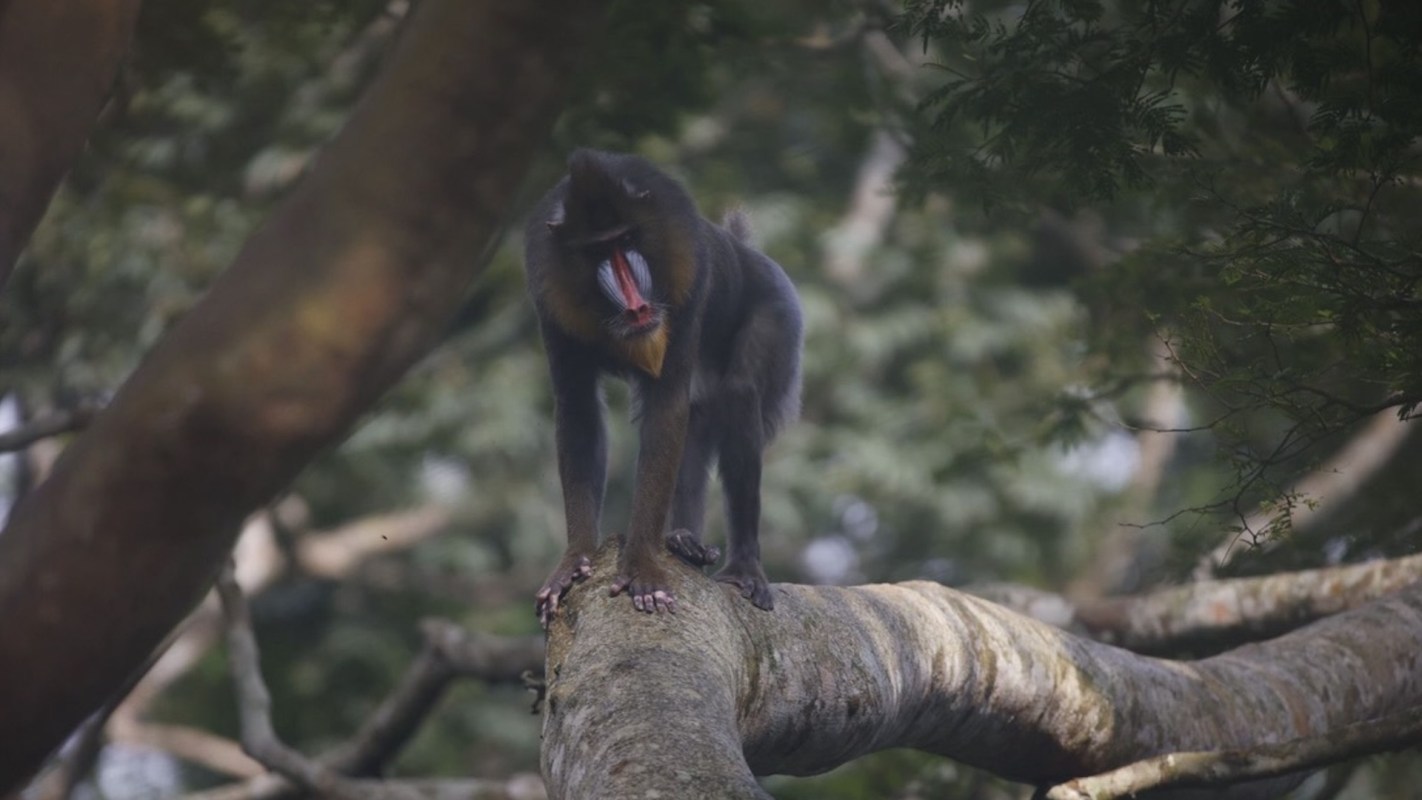
A striking photograph of a mandrill is drawing renewed attention to one of Central Africa's most eye-catching animals.
What happened?
In a recent post on Ape Action Africa's Instagram page, the organization spotlighted the mandrill's magnificent appearance and size.
It described the animal as "the world's largest species of monkey" and said males grow much bigger than females, with the familiar red-and-blue coloring on their faces.
Yet the primate rescue organization says these brightly colored monkeys, found in Cameroon, continue to face major threats from poaching and the illegal pet trade.
The caption also highlighted the species' range and group dynamics. Ape Action Africa said mandrills live in the rainforests of Central Africa, including in parts of Cameroon, and "live in some of the largest social groups of any primate, with troops sometimes numbering in the hundreds."
Why does it matter?
Ape Action Africa framed human activity as the main threat to the species. The group said mandrills are "frequently targeted by poachers and the illegal pet trade," creating risks for animals that also play an important part in the rainforest ecosystems where they live.
TCD Picks » Quince Spotlight
💡These best-sellers from Quince deliver affordable, sustainable luxury for all




The illegal wildlife trade is not a distant problem limited to remote forests. Demand for exotic pets and wildlife products fuels it, while habitat loss and poaching can undermine biodiversity in regions crucial to global forest health.
Protecting animals such as mandrills can support both on-the-ground conservation efforts and public awareness of how consumer choices affect wildlife.
Ape Action Africa's message is direct: Mandrills are not just visually striking animals but a species facing real danger, and that danger is us.

Get TCD's free newsletters for easy tips, smart advice, and a chance to earn $5,000 toward home upgrades. To see more stories like this one, change your Google preferences here.







