


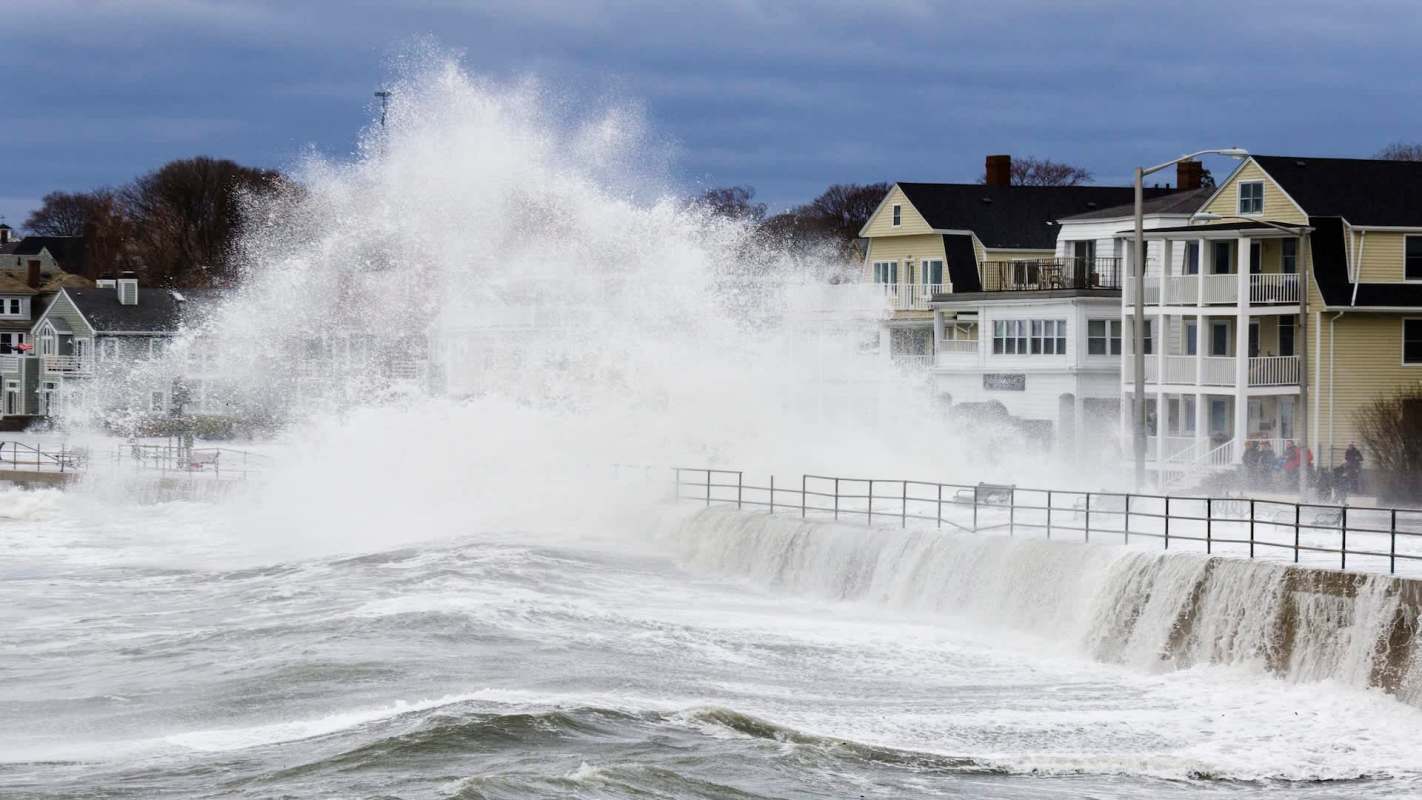
A video out of Surf City, New Jersey, shows an unexpected shark encounter as nor'easter floodwaters encroach on residential coastal communities.
The clip shows flooding through Surf City, New Jersey, on Long Beach Island as bay water pushes inland at street level and up toward nearby homes.
Here's what to know
A TikTok video shared by ABC News (@abcnews) from Surf City, New Jersey, shows a dogfish shark swimming in nor'easter floodwaters, even swimming up a resident's driveway.
At one point, the shark appears underneath a flooded hydrangea bush.
"He's coming this way," a person behind the camera said.
@abcnews A dogfish shark was spotted swimming through floodwaters in Surf City, New Jersey, heading up a resident's driveway and then toward Barnegat Bay on Saturday.
♬ original sound - ABC News
"[Dude is] probably wondering where the heck he is," one commenter joked.
TCD Picks » Quince Spotlight
💡These best-sellers from Quince deliver affordable, sustainable luxury for all




"Stay out of the water," another person urged.
Surf City sits on Long Beach Island, a narrow barrier island where roads, homes, and businesses can be especially vulnerable when coastal water levels rise during storms.
More background
According to CNN Weather, an early-season and slow-moving nor'easter began battering the Northeast September 23, sending powerful wind gusts, torrential rain, and punishing coastal floodwaters to the East Coast. New Jersey's governor declared a state of emergency as communities faced what Streamline described as Hurricane Irene-scale impacts.
Bayside flooding can be especially disruptive because some residents may focus more on ocean conditions and be less prepared for water coming from the other side. In low-lying communities, even moderate inundation can block intersections, strand cars, and limit access for emergency vehicles.
Flooding can damage homes, electrical systems, and personal property while also creating public health risks through contaminated water, mold growth, and dangerous travel conditions.
For workers and small businesses, road closures and property damage can quickly lead to lost wages, cleanup costs, and expensive repairs.
Barrier-island towns face a particularly difficult reality because they are exposed on multiple sides. When a nor'easter pushes water inland, residents may have to contend with hazardous surf, storm surge, and neighborhood flooding at the same time.
What can be done?
Monitoring local weather and emergency alerts, moving vehicles to higher ground when possible, and avoiding driving through flooded streets can reduce risk, since saltwater can stall cars and conceal damage beneath the surface.
Households can also lower their risk by keeping important documents in waterproof containers, checking whether they have adequate flood insurance, and making a plan for where to go if roads become impassable.
A basic emergency kit with medications, chargers, flashlights, and bottled water can also help if the power goes out or travel becomes unsafe.
At the community level, stronger drainage systems, more resilient road planning, and natural buffers such as marsh restoration can help reduce damage over time.
Where can I learn more?
What happened in Surf City is part of a pattern of storms and rising water affecting shoreline communities.
• Along Australia's shoreline, extreme weather has caused havoc, with homes facing wind, waves, and erosion.
• In Shanghai's delta, a catastrophic failure put coastal cities at risk amid a flooding threat.
• Scientists warned coastal sites at severe flood risk could face repeated urban inundation.
• In Alaska, storm evacuees were displaced after Typhoon Halong.

Get TCD's free newsletters for easy tips, smart advice, and a chance to earn $5,000 toward home upgrades. To see more stories like this one, change your Google preferences here.







