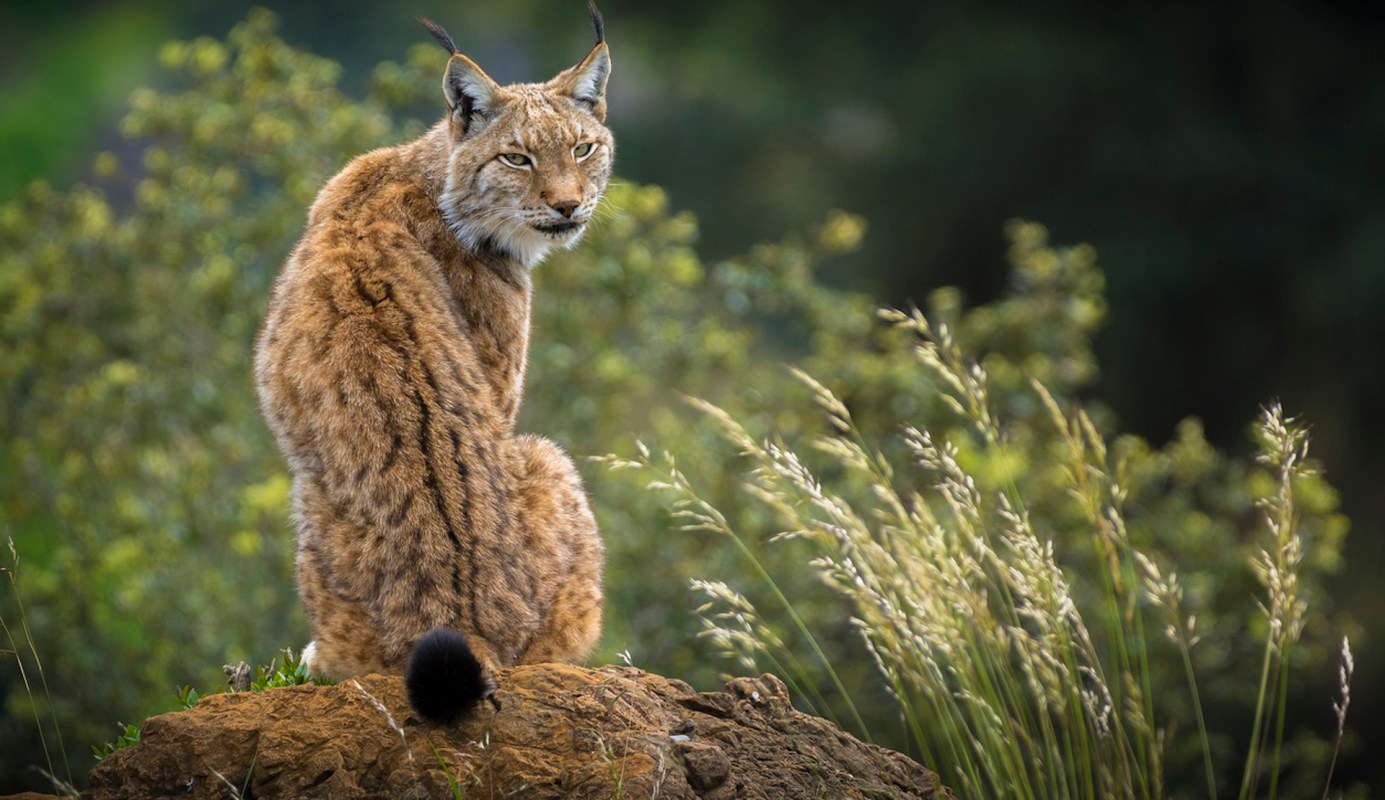
A Eurasian lynx named Ursa, who was found seriously ill after being kept illegally as a private pet in Kyiv, is now safe in England after a high-risk rescue mission brought her out of a war zone.
In one of her first moments outdoors in England, Ursa padded onto the grass and then rolled onto her back, appearing to savor the experience.
What happened?
According to Good News Network, Ursa was found in Kyiv in January in serious condition after being kept illegally as someone's private pet. She was then brought to a wild animal rescue center in the city while the war continued around her.
The Big Cat Sanctuary near Ashford, Kent, backed the effort from England by raising $180,000 (£134,000) to get her out. Staff said the operation was high-risk because it meant handling difficult border crossings and traveling through an active war zone.
Ursa arrived in Britain in February and was kept in a temporary enclosure while her permanent outdoor space was being finished. After that habitat was completed, she was finally able to go outside and feel grass beneath her paws.
Cam Whitnall, wildlife expert and managing director of The Big Cat Sanctuary, said, "To see Ursa take her first steps here in Kent was an incredibly emotional moment for the whole team."
TCD Picks » Quince Spotlight
💡These best-sellers from Quince deliver affordable, sustainable luxury for all




Why does it matter?
Ursa's story brings together two major animal welfare concerns at once: the dangers of private ownership of wild animals and the added threats created by armed conflict.
Wild cats such as lynx have highly specific physical and behavioral needs that cannot be properly met in a typical home environment, especially when they are already sick or vulnerable. Illegal captivity can leave animals in poor condition long before rescuers can intervene.
Her recovery also shows how much more difficult rescue work becomes when veterinary care, transportation routes, and shelter operations are disrupted by war. Moving a stressed apex predator across borders is challenging under normal circumstances; doing so during bombardment adds extraordinary risk for both the animal and the people trying to save her.
What's being done?
To replace the temporary space where she was first housed in England, The Big Cat Sanctuary built a permanent home designed around her needs and intended to offer a more natural, enriching setting.
Ursa has joined other rescued wild cats living at the sanctuary, including Rhys the Eurasian lynx, Blob the bobcat, and Boson the fishing cat. That broader effort reflects a rescue model focused not just on emergency intervention, but on ongoing care and conservation.
Whitnall said, "Today represents a huge milestone not only for our sanctuary, but for the future conservation of smaller wild cat species globally."
"Ursa has spent her life under the shadow of conflict and neglect; now, that story has changed… She is finally in her forever home," Whitnall said. "This mission was fraught with unpredictability, navigating a war zone with a vulnerable apex predator, but seeing her safe makes every risk worthwhile."

Get TCD's free newsletters for easy tips, smart advice, and a chance to earn $5,000 toward home upgrades. To see more stories like this one, change your Google preferences here.