


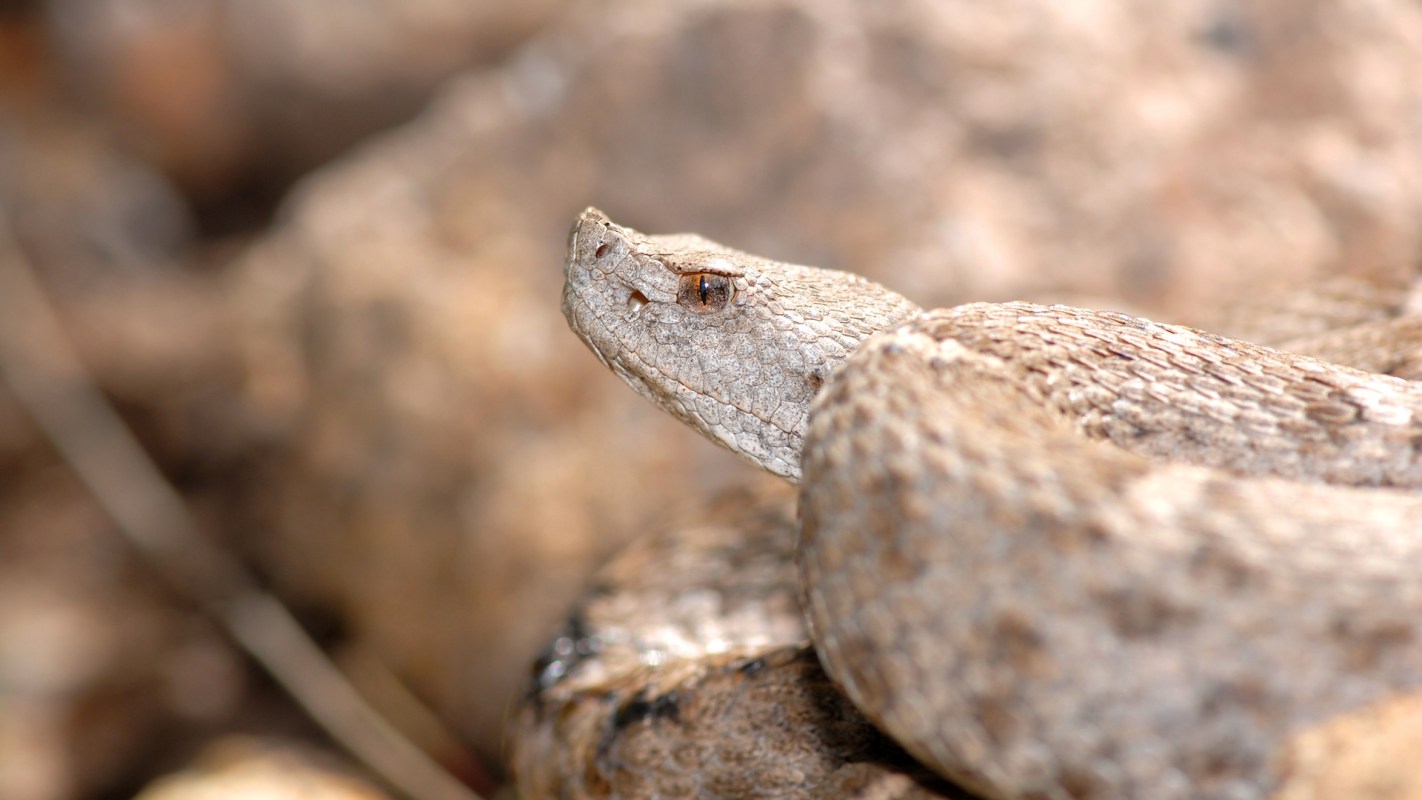
Six newborn rattlesnakes at the Los Angeles Zoo could help restore wild populations of one of America's rarest rattlesnakes, marking a promising step for an international conservation partnership.
Here's what to know
The zoo welcomed five New Mexico ridge-nosed rattlesnakes on Aug. 18, followed by a sixth newborn in a separate litter, as Patch detailed. The species is listed as threatened by the U.S. Fish and Wildlife Service.
Zoos, researchers, wildlife agencies, and conservation groups in the United States and Mexico work together through Project Obscurus, as the L.A Zoo described in a news release. These births are the recovery effort's first breeding success.
Byron Wusstig, the zoo's curator of ectotherms, credited staff for the milestone.
"This incredible breeding success is a testament to our animal care team's deep expertise in managing delicate montane pit vipers," Wusstig said in the release. "Being the first of the program partners to welcome these litters of New Mexico ridge-nosed rattlesnakes proves that our collaborative, science-based approach is working well."
More background
The zoo said the New Mexico ridge-nosed rattlesnake's limited range includes Mexico's Sierra San Luis in Sonora and Chihuahua, New Mexico's Animas Mountains, and the Peloncillo Mountains of New Mexico and Arizona.
TCD Picks » Quince Spotlight
💡These best-sellers from Quince deliver affordable, sustainable luxury for all




Live birth, rather than egg-laying, sets these rattlesnakes apart from many other reptiles. An upturned snout and pale gray to gray-brown coloring distinguish the small pit viper.
The breeding program aims to support recovery and increase genetic diversity in wild populations. The zoo noted the species is especially vulnerable because it lives in very specific habitats at altitudes of 5,000 to 8,000 feet.
The zoo's release noted this makes the New Mexico ridge-nosed rattlesnake a "sky island snake," and that it is "known for its shy nature."
What's being done?
Established in 2024, Project Obscurus is coordinated by The Rattlesnake Conservancy, according to the zoo. Its conservation breeding partners are the L.A. Zoo, the Arizona-Sonora Desert Museum, and the San Antonio Zoo.
The partnership draws on over 30 years of research and conservation efforts in the United States and Mexico. Supporters can donate or fundraise via the project's official website.
All six newborns will remain out of public view at the Los Angeles Zoo while staff care for them and track their development. Arizona and New Mexico are potential release destinations for the snakes and their offspring, depending on whether the snakes reach maturity and meet the appropriate benchmarks.
"These two litters represent a tangible lifeline for a species whose numbers have drastically declined in the U.S.," Wusstig declared in the release.
Where can I learn more?
Beyond the Los Angeles Zoo, rattlesnakes make headlines for conservation efforts and encounters with people.
• An endangered timber rattlesnake appeared in northern Vermont, possibly after swimming there.
• California wildlife rescuers freed a rattlesnake and lizard immobilized by glue traps.
• An albino Great Basin rattlesnake sparked fascination and skepticism among Reddit users.
• In Canada, a wrangler relocated 211 rattlesnakes from public property, setting a record.

Get TCD's free newsletters for easy tips, smart advice, and a chance to earn $5,000 toward home upgrades. To see more stories like this one, change your Google preferences here.







